 Chinese (Traditional)
 Chinese (Simplified)
 English



What is Python?
TUTORZONE SUBJECT GUIDE · COMPUTER
Python is a high-level, interpreted, general-purpose programming language that powers everything from artificial intelligence and data science to web development and automation. This guide explains what makes Python so popular, where it is used, and why it remains one of the best first languages to learn.
Direct Answer:What is Python?
Python is a high-level, interpreted, general-purpose programming language used for AI, data science, web development, and automation.
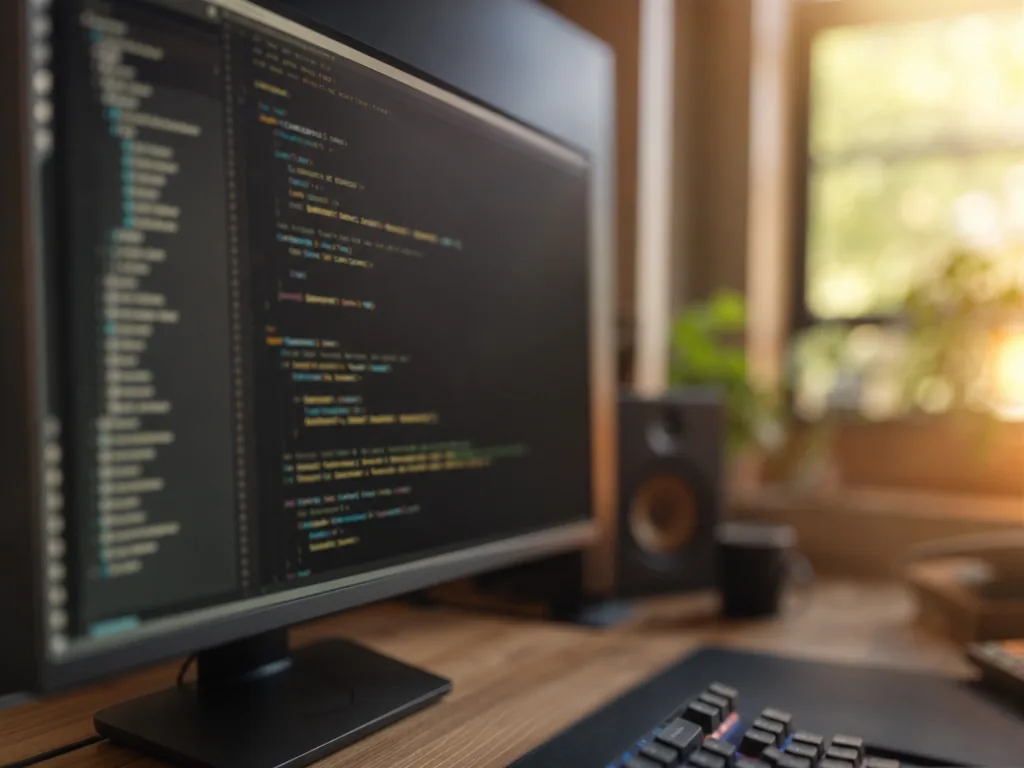
What Is Python?
Python is a high-level, interpreted, general-purpose programming language developed by Guido van Rossum in the Netherlands in 1989 and officially released in 1991.
With its concise syntax, ease of learning, and powerful functionality, Python has quickly become one of the world’s most popular programming languages, widely used in fields such as artificial intelligence (AI), data science, web development, and automation.
Python has quickly become one of the world’s most popular programming languages.
Key Features of Python
Concise, readable syntax
Python is designed with readability as its core principle, and its English-like syntax lets beginners get started quickly. To print a line of text, only one line of code is needed: print("Hello, World!").
Cross-platform support
Python runs on multiple operating systems such as Windows, macOS, and Linux without modifying the source code.
Large Standard Library
Numerous built-in modules support file operations, network communications, mathematical operations, regular expressions, and other functions, saving development time.
Rich third-party packages
Through PyPI (Python Package Index), you can easily install a variety of packages, such as NumPy (numerical computing), Pandas (data analysis), TensorFlow (machine learning), and Flask (web development).
Multiple programming paradigms
Python includes object-oriented (OOP), procedural, and functional styles, offering high flexibility.
Strong community support
A huge Python developer community around the world offers rich resources and rapid updates, making it easy to find answers to problems.
Python’s Main Application Areas
- Artificial Intelligence (AI) and Machine Learning——Develop intelligent systems and predictive models using tools such as TensorFlow, PyTorch, and Keras.
- Data Analytics & Big Data——Combine Pandas, NumPy, Matplotlib, and Seaborn for data processing and visualization.
- Web Development——Use lightweight or full-featured frameworks such as Flask and Django to build websites and API services.
- Automation & Scripting——Improve efficiency by writing batch processing, web crawling, and automated testing routines.
- FinTech and Quantitative Trading——Develop trading robots, investment strategy simulations, and financial data analysis tools.
- Scientific Computing——Applied in scientific research in fields such as astronomy, bioinformatics, and physical simulation.
- Game Development——Make small games or prototypes using libraries like Pygame.
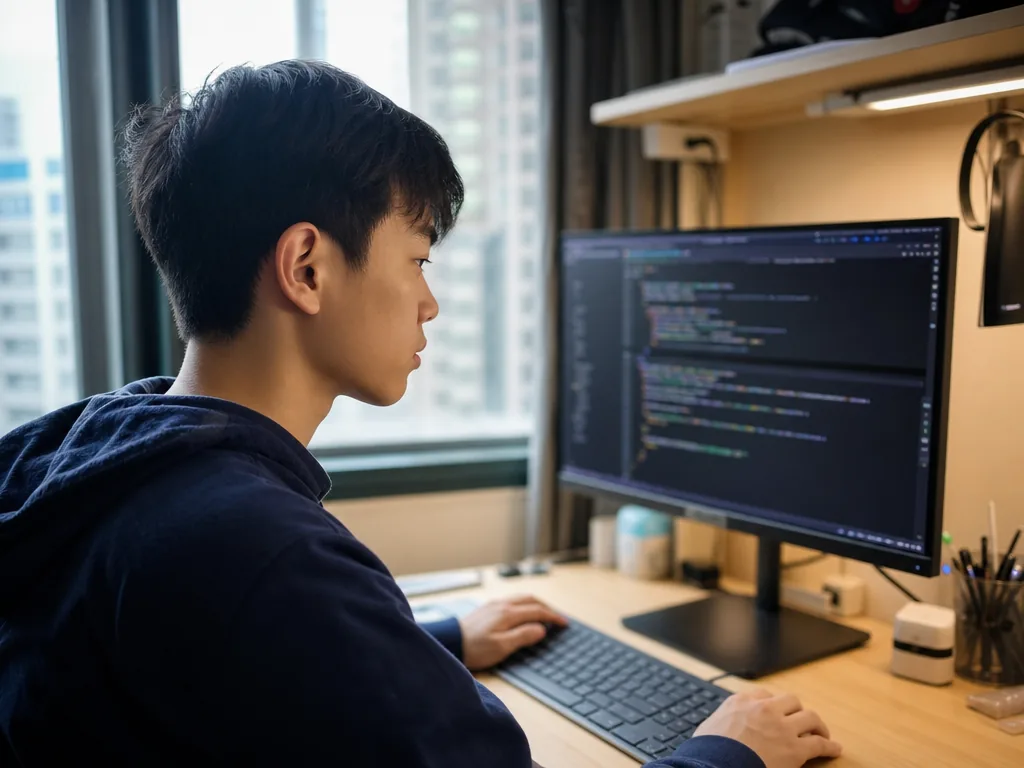
Python Versions: 2.x vs 3.x
Python 2.x series
Once the mainstream version, Python 2 saw official support stopped in early 2020.
Python 3.x series (currently mainstream)
Improved syntax consistency and internationalization support make Python 3 the preferred version for all new projects today.
Reminder
It is recommended to learn and use Python 3, as Python 2 is no longer updated.
Why Learn Python?
- A gentle learning curve——Suitable for beginners.
- Wide application areas——Almost all-encompassing across industries.
- Abundant resources——Rich community resources and teaching materials.
- High scalability and integration——Works alongside other languages such as C and C++.
- Strong career competitiveness——In the era of AI and big data, demand has skyrocketed.
The Bottom Line
Python is more than just a programming language; it is a skill that transcends disciplines and industries.
From beginners looking to break into the world of programming to professionals developing artificial intelligence systems, Python is an indispensable tool. Whether you want to transition into tech, optimize your workflow, or develop a personal project, mastering Python will become one of your most valuable assets for the future.
Frequently Asked Questions (FAQ)
Q: Is Python a good first programming language for beginners?
Yes. Its readable, English-like syntax and gentle learning curve make it one of the best first languages, while its huge community means help is easy to find.
Q: Should I learn Python 2 or Python 3?
Always Python 3. Python 2 reached end-of-life in early 2020 and no longer receives updates, so all new projects should use Python 3.
Q: What can I actually build with Python?
A great deal — from AI and machine-learning models (TensorFlow, PyTorch) and data analysis (Pandas, NumPy) to websites (Flask, Django), automation scripts, and even simple games (Pygame).
Q: Is Python fast enough for real work?
Yes, for most tasks. While it is an interpreted language and not always the fastest for raw computation, its rich libraries (often backed by C) and ease of development make it fast enough for the vast majority of applications.
Further Resources & Next Steps
- Official Resources——The official Python documentation and tutorials at python.org, plus the Python Package Index (PyPI) for libraries.
- Further Reading——”Automate the Boring Stuff with Python” by Al Sweigart (free online) and “Python Crash Course” by Eric Matthes are excellent starting books.
- Parent Tips——Encourage hands-on mini-projects such as a calculator, a number-guessing game, or a simple web page — small projects build confidence faster than reading alone.
Note: The information above is for reference only. Please consult professional education institutions for details.
This article was initially drafted and organised with AI. Editor / Professor Chan Kwok-wai; Managing Editor / Kong Yee-leung
Act Now: Find a Tutor / Register as a Tutor
For parents & students: looking for a home or online tutor for this subject? Click the button below to post a free tuition case (subject, level and preferred time) — TutorZone will match you with suitable tutors:
For tutors: do you teach this subject? Click the button below to register for free and receive more suitable cases — you pay only when a match is made: