
 中文(繁體)
 中文(簡體)
 English



Erhu: A Complete Guide to Its Origins, History and Greatest Players
TUTORZONE SUBJECT GUIDE · STRING INSTRUMENTS
The erhu — China’s two-stringed bowed instrument — is one of the most soulful voices in both traditional and modern music. This guide traces its journey from the ancient huqin to the concert hall, introduces its greatest masters, and recommends the essential works every listener should know.
Direct Answer:What is the erhu?
The erhu is China’s two-stringed bowed instrument, known as one of the most soulful voices in traditional and modern music.
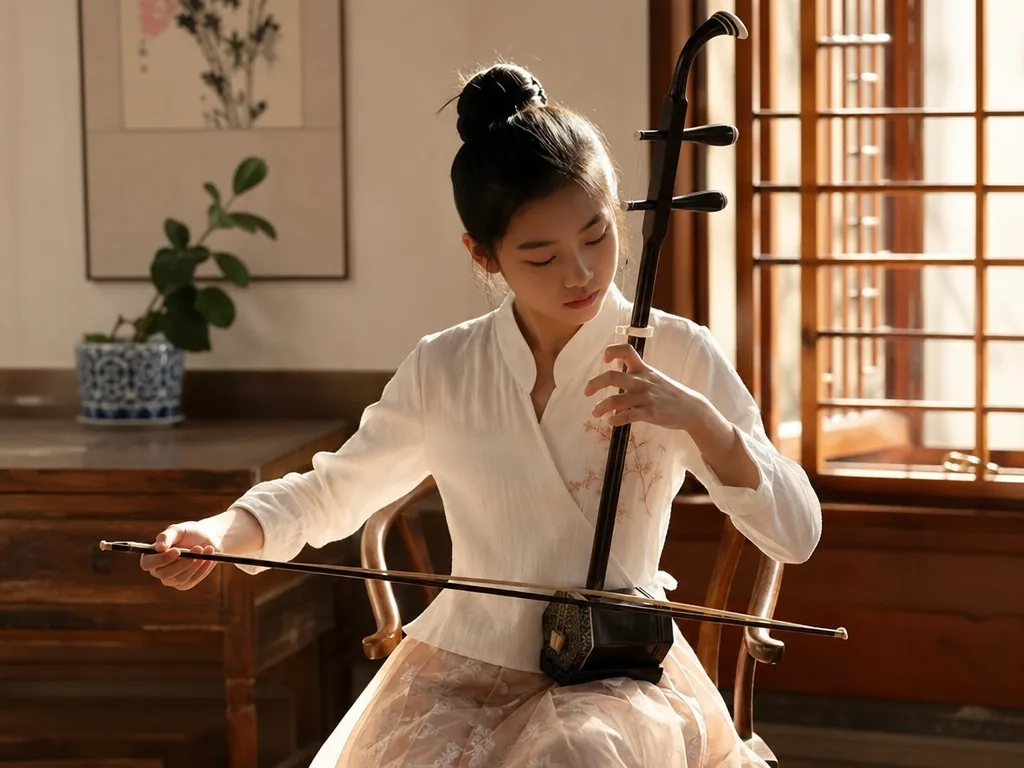
The Birth of the Erhu: A Traditional Chinese Stringed Instrument
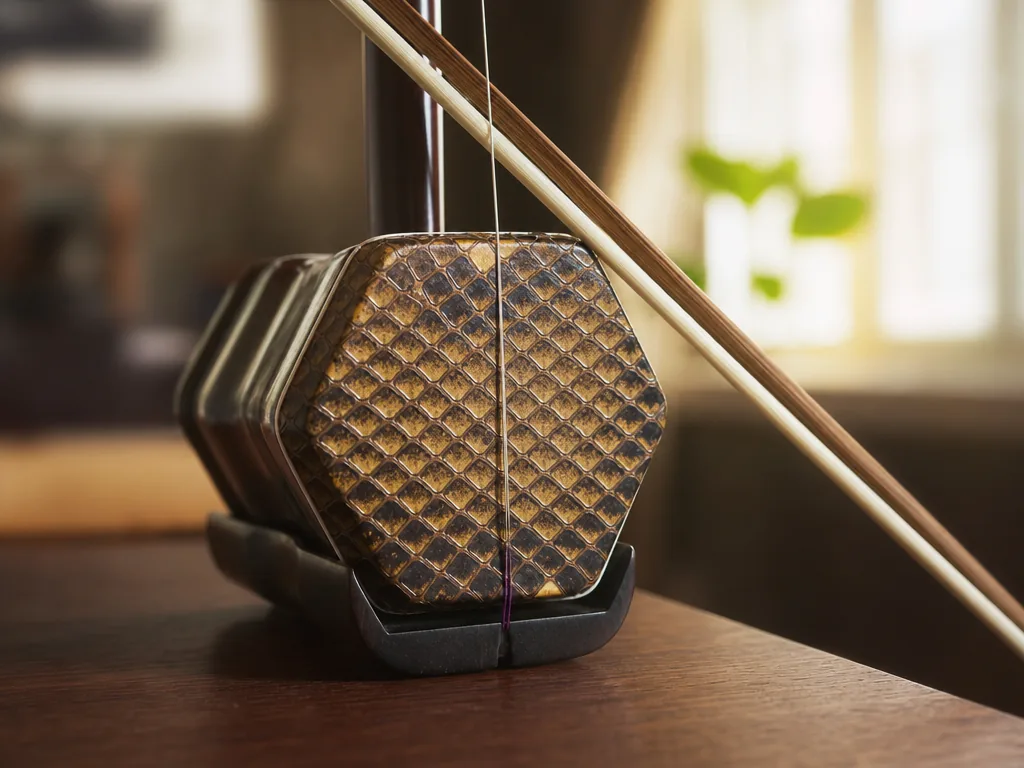
The erhu is a traditional Chinese two-stringed bowed instrument and one of the most representative members of the string instrument family. It usually consists of two strings, a bow, and a wooden or bamboo frame, producing a deep, melodious tone. The erhu has a long history in Chinese music and plays an important role in modern Chinese music.
The Origins of the Erhu
- BC era — The erhu’s origins can be traced back to the ancient Chinese huqin. The huqin is a class of bowed string instruments introduced to China by the Hu people, from which the erhu’s ancestors descend.
- Tang dynasty (618–907) — The huqin entered China and was widely adopted; there were many varieties at the time, including bowed instruments similar to the erhu. Over time, the erhu gradually evolved into its modern form.
- Yuan dynasty (1271–1368) — The erhu gradually became a common instrument in Chinese music, replacing other bowed instruments to become an important accompanying instrument in folk and theatrical music.
The Development of the Erhu
- Qing dynasty (1644–1912) — With the flourishing of Chinese folk music, the erhu’s tone and playing technique developed further. The erhu played an important role in regional operas, particularly in Peking opera, where it was a key instrument for expressing emotion.
- Early 20th century to the present — With the development of modern music, the erhu’s techniques and styles have become more diverse. In addition to folk and theatrical music, the erhu entered the realms of symphony and chamber music, combining with other modern musical elements.
Outstanding Erhu Masters and Their Representative Works
As a treasure of Chinese music, the erhu has attracted many outstanding musicians who, through superb technique and deep understanding, have raised it to a higher artistic level. Here are several highly influential erhu masters and their representative works.
1. Yu Lina
Nationality: Chinese
Contributions — Yu Lina is one of the most influential erhu players of contemporary China, with an elegant and expressive style and an important contribution to the development of modern erhu music. A former professor at the Central Conservatory of Music, she trained many erhu talents.
Representative works:
- The Moon Reflected in the Second Spring (Erquan Yingyue) (composed by Abing) — a classic of Chinese erhu music; Yu Lina’s interpretation is considered one of the most emotionally profound.
- Ambush from All Sides (Shimian Maifu) (composed by Hu Tingshan) — takes the erhu’s expressiveness to the extreme, showcasing Yu Lina’s superb technique and musical appeal.
2. Min Huifen
Nationality: Chinese
Contributions — Min Huifen is one of the giants of Chinese erhu performance, hailed as the “Queen of the Erhu”. A pioneering figure in erhu playing, she is known for her superb technique and masterful understanding of erhu music.
Representative works:
- The Moon Reflected in the Second Spring (Erquan Yingyue) (composed by Abing) — her version is considered one of the most expressive and artistic interpretations, demonstrating her profound emotional expression.
- High Mountains and Flowing Water (Gao Shan Liu Shui) — a work based on classical music; Min Huifen’s version is intensely expressive, taking the erhu’s tone and technique to the extreme.
3. Liu Dehai
Nationality: Chinese
Contributions — Liu Dehai is a legendary figure in modern Chinese erhu performance. His technique is distinctive and pushed the erhu’s expressiveness to new heights. As a winner of international music competitions in China, he made important contributions to erhu technique innovation.
Representative works:
- Guangling San — a highly technical erhu piece; Liu Dehai’s interpretation is considered one of the most artistically profound and technically accomplished.
- Train Entering the Mountains — showcases Liu Dehai’s breakthrough in expressiveness and technique, with vivid rhythmic and melodic changes.
4. Wang Guorun
Nationality: Chinese
Contributions — Wang Guorun is an important figure in contemporary erhu, blending the essence of classical music with modern innovation. His technical innovation and expansion of expressiveness have actively promoted the development of contemporary erhu music.
Representative works:
- Spring River Flower Moon Night (Chun Jiang Hua Yue Ye) — a highly expressive erhu solo; Wang Guorun’s interpretation deeply reveals the erhu’s delicate emotion.
- Great Waves Washing the Sand — takes erhu technique to the extreme; its powerful performance makes it one of Wang Guorun’s signature works.
Classic Erhu Works Recommended
| Composer/Musician | Work | Style | Characteristics |
|---|---|---|---|
| Abing (Hua Yanjun) | The Moon Reflected in the Second Spring | Folk music | Expresses deep emotion and conveys the essence of traditional Chinese music |
| Hu Tingshan | Ambush from All Sides | Classical music | Full of drama and history, technically demanding |
| High Mountains and Flowing Water | High Mountains and Flowing Water | Classical music | Expresses the grandeur and flow of nature, poetic |
| Abing (Hua Yanjun) | Guangling San | Folk music | Majestic and vigorous, with highly varied rhythms |
| Wang Guorun | Spring River Flower Moon Night | Classical music | Depicts the softness and freshness of a spring night by the river |
Frequently Asked Questions (FAQ)
Q: Is the erhu difficult for beginners to learn?
Not especially. Because the erhu has only two strings, it is often considered approachable for beginners, but producing a clean, singing tone takes patience — bow control and left-hand intonation require consistent practice. Many students can play simple melodies within a few months.
Q: How many strings does the erhu have, and how is it played?
The erhu has two strings. The bow is threaded between them, so the player draws the bow against one string at a time while pressing the strings with the left hand to change pitch. The result is a deep, melodious tone that closely resembles the human voice.
Q: What is the most famous erhu piece?
The Moon Reflected in the Second Spring (Erquan Yingyue), composed by the blind folk musician Abing, is widely regarded as the most celebrated erhu work. It is prized for its deep emotion and remains a standard in every erhu player’s repertoire.
Q: Is the erhu related to other Chinese instruments?
Yes. The erhu descends from the huqin, a class of bowed string instruments introduced to China by the Hu people. Its close relatives include other members of the huqin family, such as the gaohu, zhonghu and jinghu.
Further Resources & Next Steps
- Official Resources——The Central Conservatory of Music and the China Conservatory of Music publish authoritative editions, recordings and listening guides for classic erhu repertoire — an ideal starting point for study.
- Further Reading——Listen to benchmark recordings such as Min Huifen’s The Moon Reflected in the Second Spring and Yu Lina’s Ambush from All Sides; books on the huqin family trace the erhu’s history from the Tang dynasty to the present day.
- Parent Tips——For young learners, begin with short daily bowing and intonation exercises and choose a properly sized erhu; listening to classic recordings together helps build an early ear for the instrument’s expressive tone.
Note: The information above is for reference only. Please consult professional education institutions for details.
This article was initially drafted and organised with AI. Editor / Professor Chan Kwok-wai; Managing Editor / Kong Yee-leung
Act Now: Find a Tutor / Register as a Tutor
For parents & students: looking for a home or online tutor for this subject? Click the button below to post a free tuition case (subject, level and preferred time) — TutorZone will match you with suitable tutors:
For tutors: do you teach this subject? Click the button below to register for free and receive more suitable cases — you pay only when a match is made: