
 中文(繁體)
 中文(簡體)
 English



Flute: Complete Overview, History and Learning Guide
TUTORZONE SUBJECT GUIDE · WIND INSTRUMENTS
A complete guide to the flute — its ancient origins, the evolution of the modern instrument, essential playing techniques, and the great flautists whose recordings define it. Everything a student, parent, or music lover needs to understand this clear, light and highly expressive woodwind.
Direct Answer:What does the flute guide cover?
It covers the flute’s ancient origins, evolution of the modern instrument, essential playing techniques, and great flautists and their recordings.

What Is the Flute?
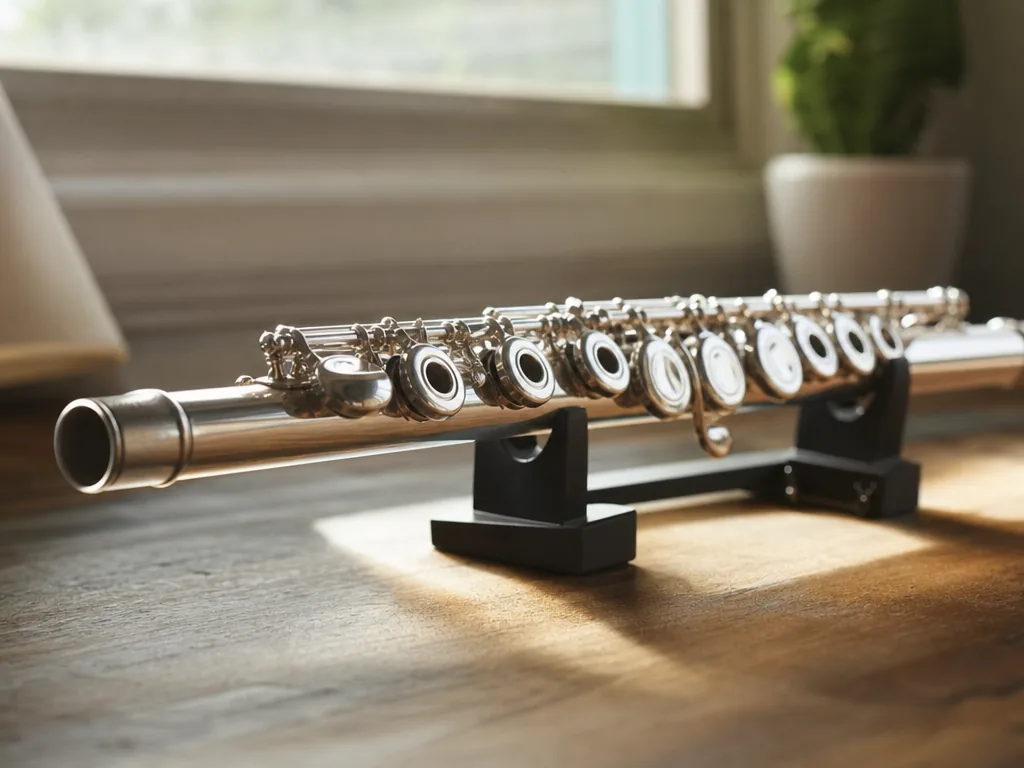
The flute is a very old wind instrument belonging to the woodwind family, even though most modern flutes are made of metal. Its tone is clear, light and highly expressive, and it is frequently used in classical music, modern music and various forms of folk music. The flute has a long and rich history, which has given it a profound influence on music around the world.
Origins of the Flute
As an ancient instrument, the origins of the flute can be traced back thousands of years, and it has appeared in cultures across the world.
Ancient Origins
Prehistoric period: The prototype of the flute can be traced back to simple wooden or bone pipes used in prehistoric times. The earliest flutes were mostly made from animal bone or wood, and these simple instruments were probably used by early civilisations throughout the world. The oldest flutes discovered by archaeologists date back around 40,000 years and were found in caves in Europe.
Ancient Egypt and ancient Greece: The history of the flute can also be traced to ancient Egypt and ancient Greece. The ancient Egyptians used an instrument known as the “wooden flute”, an early flute made from a hollow wooden tube that was sometimes decorated with shell or ivory. The ancient Greeks had similar instruments, such as the “Pan flute”, whose structure is closer to the blowing principle of the modern flute.
The Medieval and Renaissance Periods
In Europe, medieval flutes were relatively primitive, commonly made of wood and without keys. During the Renaissance, the flute gradually developed towards its modern form and became more popular in music. Flutes of this period were often used in religious ceremonies and court music.
Development in the Baroque Period
The Baroque flute (roughly 1600 to 1750) began to use more tone holes and a more refined design. Flutes of this period were mainly made of wood or ivory and offered greater pitch control. Composers such as Johann Sebastian Bach and George Frideric Handel frequently used the flute to write melodies.
Development of the Modern Flute
By the 19th century, the structure and playing technique of the flute underwent major changes, most notably the key improvements introduced by Theobald Boehm, who invented the modern metal flute. He improved the flute’s airflow control, tone-hole design and key system, bringing significant breakthroughs in intonation, range and playing technique.
Flute Playing Techniques
Flute playing techniques are highly varied. Beyond basic blowing, they include fingering, breathing technique and various extended techniques (such as trills and glissandi). Modern flautists often use these techniques to express the emotional layers and dynamism of the music.
Notable Flute Players and Their Masterpieces
As a highly expressive instrument, the flute has attracted many talented composers and given rise to many great flautists. Below are several important flautists and their masterpieces.
Jean-Pierre Rampal
Masterpiece: Rampal was one of the most celebrated French flautists of the 20th century, known for his elegant and highly expressive playing. He performed a large number of flute solos and gave the first performances of many flute works. In particular, his recordings had a far-reaching influence in popularising flute music worldwide.
Representative works: Rampal recorded numerous flute concertos, especially works performed with conductors and orchestras, such as Mozart’s flute concertos.
James Galway
Masterpiece: James Galway is one of the most influential flautists of the modern era and is widely known as the “Man with the Golden Flute”. His musical talent and deeply expressive playing are widely admired, and he successfully brought flute music into the popular music field.
Representative works: Galway’s playing spans a wide range of styles, from classical to modern, from traditional flute concertos to film scores (such as the music of the Harry Potter series), and is widely loved by audiences.
Gabriel Fauré
Masterpiece: Flute Concerto
The French composer Fauré wrote several beautiful works for the flute, in particular the Flute Concerto, a classic of 20th-century flute music. The work showcases the tonal charm and emotional depth of the flute.
Camille Saint-Saëns
Masterpiece: Flute Concerto No. 1 in D major
The Flute Concerto by the French composer Saint-Saëns is a classic of the flute repertoire. Technically demanding and written in a Romantic musical language, it has produced many beautiful melodies for the flute.
Theobald Boehm
Masterpiece: Flute Concerto
Theobald Boehm was the innovator of the modern flute; his contribution extends beyond performance to his improvements of the flute’s construction. Although he was not a composer, his improvements enabled later flute works to better express composers’ intentions. His technique and instrument design have had a profound influence on the entire flute world.
The Musical Value of the Flute
The flute has enormous musical value, making an important contribution to many musical styles in terms of both tone and musical expression. Its tone is clear, soft and expressive: it can play a leading role in an ensemble and can also express deep emotional layers in a solo setting.
- Melodic quality and expressiveness——The flute’s tone is well suited to carrying melody lines, particularly when expressing tender, poetic or dramatic emotions. Its wide range allows it to adapt to music of different styles.
- Its role in the orchestra——The flute usually plays the role of melodic leader in the orchestra and is often used to highlight the music’s sense of freshness. Particularly in Romantic and Impressionist music, the flute’s colour is very prominent and helps to add a sense of airiness to the music.
- Across musical styles——Whether in classical, Romantic or modern music, the flute always finds its place. In the works of many contemporary composers, the flute keeps being presented in new ways, showing the instrument’s versatility and creative potential.
Conclusion
The flute is an instrument with a long history, a moving tone and great expressiveness. From its ancient origins to its modern development, the flute has been widely used in music around the world. Whether in solo performance or in the orchestra, the flute displays its distinctive tone and technique, and it continues to attract countless composers and performers to create and interpret its beautiful music.
Frequently Asked Questions (FAQ)
Q: Is the flute difficult for beginners to learn?
The first challenge is producing a steady tone: beginners spend the first lessons developing their embouchure (lip position) and breath control rather than learning notes. With regular, short practice sessions, most students produce a clear sound within a few weeks and simple tunes within the first few months.
Q: At what age can a child start learning the flute?
Most teachers suggest around age 7–9, when a child’s arms are long enough to reach the keys and their lung capacity can support a full breath. Younger children can begin on a curved-head flute or a recorder to build finger dexterity and music-reading skills first.
Q: How long does it take to become a competent flautist?
As a rough guide, reaching a comfortable beginner level — simple melodies and scales — typically takes six months to a year of weekly lessons plus daily practice. Playing more demanding repertoire, joining an orchestra, or preparing for graded exams (such as ABRSM or Trinity) usually takes several years of consistent study.
Q: What is the difference between the flute and the recorder?
Both belong to the woodwind family, but the recorder is an end-blown instrument with a mouthpiece you blow directly into, while the modern flute is held sideways and played across an embouchure hole. The flute also has a fuller dynamic range and a more complex key system, which is why it features more prominently in orchestras.
Further Resources & Next Steps
- Official Resources——The ABRSM flute syllabus, Trinity College London woodwind exams and the National Flute Association (NFA) offer graded syllabuses, repertoire lists and performance guidance.
- Further Reading——Method books such as Trevor Wye’s “Practice Books for the Flute” and Taffanel & Gaubert’s “17 Daily Exercises” are standard references for tone, technique and daily practice.
- Parent Tips——Encourage short, regular practice sessions rather than long occasional ones; invest in a well-maintained student flute, and keep lessons fun with duets and familiar tunes to sustain motivation.
Note: The information above is for reference only. Please consult professional education institutions for details.
This article was initially drafted and organised with AI. Editor / Professor Chan Kwok-wai; Managing Editor / Kong Yee-leung
Act Now: Find a Tutor / Register as a Tutor
For parents & students: looking for a home or online tutor for this subject? Click the button below to post a free tuition case (subject, level and preferred time) — TutorZone will match you with suitable tutors:
For tutors: do you teach this subject? Click the button below to register for free and receive more suitable cases — you pay only when a match is made: