
 中文(繁體)
 中文(簡體)
 English



Form and Structure in Music: A Complete Guide
TUTORZONE SUBJECT GUIDE · MUSIC THEORY
Form and structure are the blueprints of every piece of music — the way sections are ordered, repeated and varied to shape emotion, contrast and expectation. This complete guide explains what form and structure are, the main formal types, and how they function in composition and analysis.
Direct Answer:What are form and structure in music?
Form and structure are the blueprints of music, describing how sections are ordered, repeated, and varied to shape emotion and contrast.
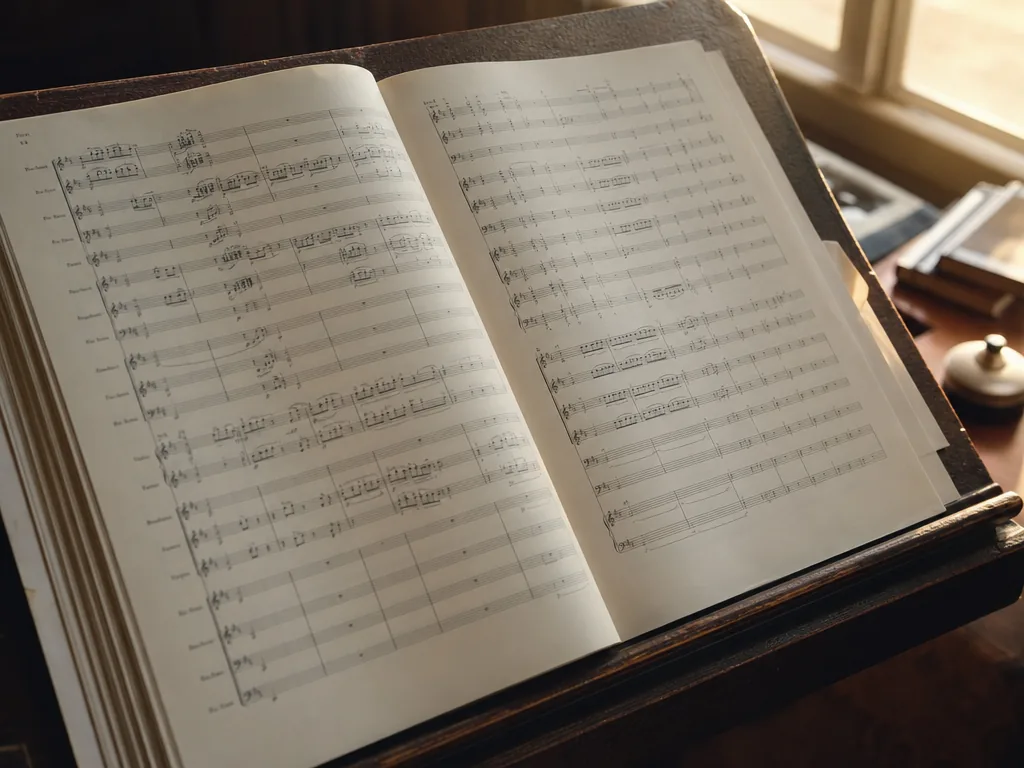
What Are Form and Structure?
Form and structure are key concepts in musical composition and analysis, referring to the organisation and structural arrangement of a musical work. Form determines the overall framework of the music, including how the various sections are ordered and the patterns of repetition and variation. Through these structural arrangements, composers can express emotion, create contrast and guide the listener’s attention.
Form
Form refers to the external structure of a musical work — how the various sections or parts are arranged so that the whole piece has a clear beginning, development, turn and conclusion. Form provides listeners with a framework for anticipating and understanding the music’s development.
Structure
Structure refers to the internal arrangement of the music — how elements such as melody, harmony and rhythm are organised to support the development of the form and the expression of emotion. Structural design usually involves repetition, contrast, development and variation of sections.
Form and structure are closely related: form provides the overall framework of the music, while structure determines the musical content within that framework.
Common Types of Musical Form
There are many different kinds of musical form. The following are some of the main types and their characteristics:
Binary Form
Binary form is a simple two-part structure, usually divided into two contrasting sections, commonly found in Classical-era dances (such as waltzes and rondeaux). Each section is often repeated, allowing listeners to become familiar with and anticipate the music’s development.
- Structure——A – B (the A and B sections often end with different variations or key changes)
- Applications——common in Classical dances and early music.
Ternary Form
Ternary form is the most common three-part structure in music, in which the middle section contrasts sharply with the two outer sections. This structure is usually expressed as a repeated theme (A section), a contrasting middle section (B section), and then a return to the theme (A section).
- Structure——A – B – A
- Characteristics——the A section usually contains the theme or melody, while the B section provides contrast, often using a different key or rhythm. The repetition of the A section usually includes some variation.
Rondo Form
Rondo form is a structure based on the recurring appearance of a theme; similar to ternary form, but usually containing more contrasting sections. This form is very common in Classical-era symphonies, piano concertos and other works.
- Structure——A – B – A – C – A or A – B – A – C – A – B – A
- Characteristics——the A section is the main melody and returns many times. Each return is followed by one or more contrasting sections.
Sonata Form
Sonata form is a more complex musical form, usually used in Classical-era symphonies, piano sonatas and chamber music. It typically consists of three main parts — the exposition, development and recapitulation — and emphasises the contrast and development of themes.
Structure:
- Exposition: introduces two contrasting themes or melodies, usually with the first theme in the tonic key and the second in a related key.
- Development: develops, varies and modulates the themes, increasing the musical tension.
- Recapitulation: restates the themes of the exposition, usually in the same key, resolving the tension of the development.
- Coda (optional): a closing section, often with a strong sense of finality.
Compound Form
Compound form is a complex structure made up of several different single forms, commonly found in large-scale musical works. It is used in longer movements, combining several single forms into one larger whole.
- Structure——for example, sonata form + rondo form + ternary form; such combinations give the music variety and richness.
- Applications——large-scale works such as symphonies, concertos and operas.
The Functions of Form and Structure
Creating a Sense of Structure
One of the main functions of form is to help listeners understand the organisation of the music; through different sections and repeated structures, music can express a clear sense of rise and fall.
Emotional Expression
Contrast and development in the structure can intensify the emotional expression of the music. For example, the development section of sonata form often carries a sense of tension and instability, while the recapitulation brings stability and resolution.
Guiding the Listener’s Expectations
Through predictable structures, form allows listeners to anticipate the music’s development; this interplay of expectation and surprise is one of the keys to music’s appeal.
Thematic Development
Formal structure provides a framework for expressing the development of musical themes, allowing composers to restate or transform themes in different sections, thereby enhancing the expressiveness and depth of the music.
The Development of Form and Structure
As musical styles developed, especially into the Romantic and modern periods, traditional formal structures underwent more change and innovation. For example, Romantic-era composers placed greater emphasis on emotional expression and often expanded and freely varied within the framework of traditional forms. Modern music has further challenged traditional structures, frequently breaking established patterns to create freer musical forms.

Frequently Asked Questions (FAQ)
Q: What is the difference between form and structure in music?
Form is the external framework — how the whole work’s sections are ordered into a beginning, development, turn and conclusion — while structure is the internal arrangement of melody, harmony and rhythm within that framework. In short, form is the container; structure is the content.
Q: Which musical forms should a student learn first?
Binary (A – B), ternary (A – B – A), rondo (A – B – A – C – A) and sonata form are the most frequently taught. Sonata form — with its exposition, development, recapitulation and optional coda — is especially important for Classical-era symphonies and piano sonatas.
Q: Why does musical form matter to listeners?
Form helps listeners anticipate and understand the music’s development. Contrast and development between sections intensify emotional expression, while predictable structure creates the interplay of expectation and surprise that makes music appealing.
Q: How do I start analysing the form of a piece?
Begin by labelling the main sections (A, B, C…) as you listen, noting which sections return or vary. Then identify the internal structure — melody, harmony and rhythm — within each section, and consider how the composer uses repetition, contrast, development and variation.
Further Resources & Next Steps
- Official Resources——The ABRSM and Trinity College London music theory syllabuses, which introduce form and structure progressively across grades and provide graded exam material for practice.
- Further Reading——Beginner-friendly theory textbooks and online courses that explain binary, ternary, rondo and sonata form with annotated score examples for self-study.
- Parent Tips——Encourage children to listen for repeated and contrasting sections when practising, and to label the form (A – B – A, and so on) of the pieces they play to build analytical awareness.
Note: The information above is for reference only. Please consult professional education institutions for details.
This article was initially drafted and organised with AI. Editor / Professor Chan Kwok-wai; Managing Editor / Kong Yee-leung
Act Now: Find a Tutor / Register as a Tutor
For parents & students: looking for a home or online tutor for this subject? Click the button below to post a free tuition case (subject, level and preferred time) — TutorZone will match you with suitable tutors:
For tutors: do you teach this subject? Click the button below to register for free and receive more suitable cases — you pay only when a match is made: