 中文(繁體)
 中文(簡體)
 English



IB Chinese A: Language and Literature SL – Full Course Guide
TUTORZONE SUBJECT GUIDE · IB CHINESE A: LANGUAGE AND LITERATURE SL
IB Chinese A: Language and Literature (SL) is the IB Diploma Programme language course for native and near-native Chinese speakers, blending close language analysis with literary appreciation. This guide covers the whole course — structure, assessment, study strategies, and how it differs from Chinese B.
Direct Answer:What is IB Chinese A: Language and Literature SL?
IB Chinese A: Language and Literature SL is an IB Diploma course for native and near-native speakers, blending close language analysis with literar。
IB Chinese A: Language and Literature SL: Course Positioning & Core Features
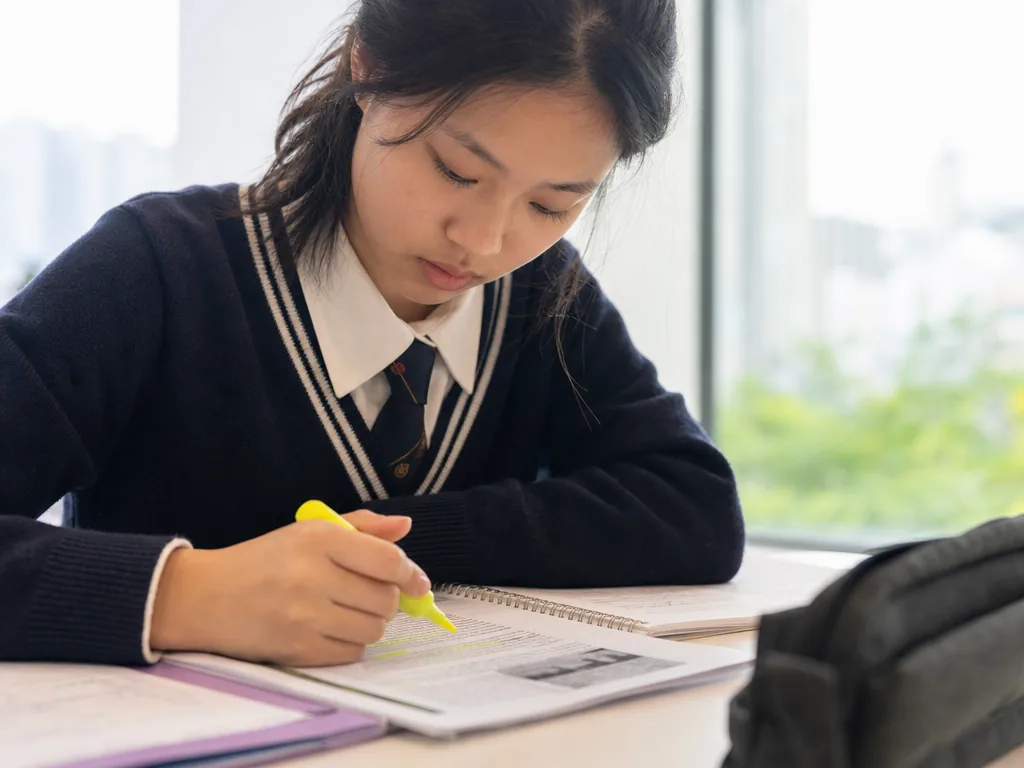
IB Chinese A: Language and Literature (SL) is a language subject in the IB Diploma Programme (IBDP) for students whose first language is Chinese. It combines language analysis with literary appreciation, developing students’ linguistic sensitivity, cultural awareness and critical thinking.
Three core positions of the course:
Language and text in equal measure
Emphasises how language reflects society and culture.
In-depth thinking and comparative reading
Trains students’ analytical and critical skills.
Cross-cultural understanding
Explores the meaning and value of texts in different contexts.
Course Structure & Content (SL)
| Unit category | Content | Learning goal |
|---|---|---|
| Texts and culture | Media texts, news language, internet-culture language | Analyse how language constructs meaning and viewpoint |
| Texts and audience | Advertisements, speeches, editorials, online comments | Explore how texts influence different readers |
| Literary appreciation | World literature + Chinese classics (novels, poetry, drama) | Interpret themes, literary devices and cultural meaning |
| Comparative reading and writing | Chinese and foreign texts read side by side + oral and written creative practice | Develop comparison skills and expression |
Common set texts (Chinese A SL): Fortress Besieged (Qian Zhongshu), The Metamorphosis (Kafka), Hamlet (Shakespeare), Red Rose, White Rose (Eileen Chang), and others.
Assessment & Weighting (Standard Level)
| Assessment component | Overview | Percentage |
|---|---|---|
| Paper 1 | Writing without reference material: analysis of a non-literary text (such as an advertisement or editorial) | 35% |
| Paper 2 | Comparative literary commentary: comparing themes and techniques across two set literary works | 35% |
| Individual oral (IO) | Comparing a non-literary text with a literary work to explore the relationship between language and culture | 30% |
Example oral (IO) question: “The construction of gender imagery in Eileen Chang’s fiction and Hong Kong street advertising”.
Common Learning Challenges & Strategies
| Difficulty | Suggested strategy |
|---|---|
| Insufficient analytical angles | Use the “POET” technique: Purpose, Organization, Evidence, Tone |
| Difficulty with comparative literary writing | Build a comparison handbook; practise noting similarities and differences under a common theme |
| Lack of confidence in speaking | Record and rehearse regularly, join group debates, simulate the IO |
| Weak critical reading | Read review articles and use the “three-layer questioning” method (surface, deeper, cultural) |
Effective Study Tools & Resources
| Resource type | Recommended platform/book | Use case |
|---|---|---|
| Textbooks and analysis books | The IB Chinese A: Language and Literature guide, Longman Chinese textbooks | Class and exam preparation |
| Literary criticism resources | CNKI, Douban Books, academic journal sites | Comparative analysis and citation support |
| Practice and mock papers | ibdocuments.com, Studynova, examiner reports | Exam practice and writing |
| Oral practice tools | VoiceThread, Jamboard, group discussion platforms | IO rehearsal and language organisation |
The Difference Between IB Chinese A and Chinese B
| Item | Chinese A: Language and Literature (SL/HL) | Chinese B (SL/HL) |
|---|---|---|
| Suitable students | Native or near-native speakers | Second-language learners |
| Study focus | Literary criticism, language analysis, cultural comparison | Language use, situational expression, practical communication |
| Assessment | Two papers + individual oral + literary reading | Reading, writing, oral expression + listening |
| Difficulty | High demands on literary and linguistic depth | Focus on everyday situations and language use |
University & Academic Links
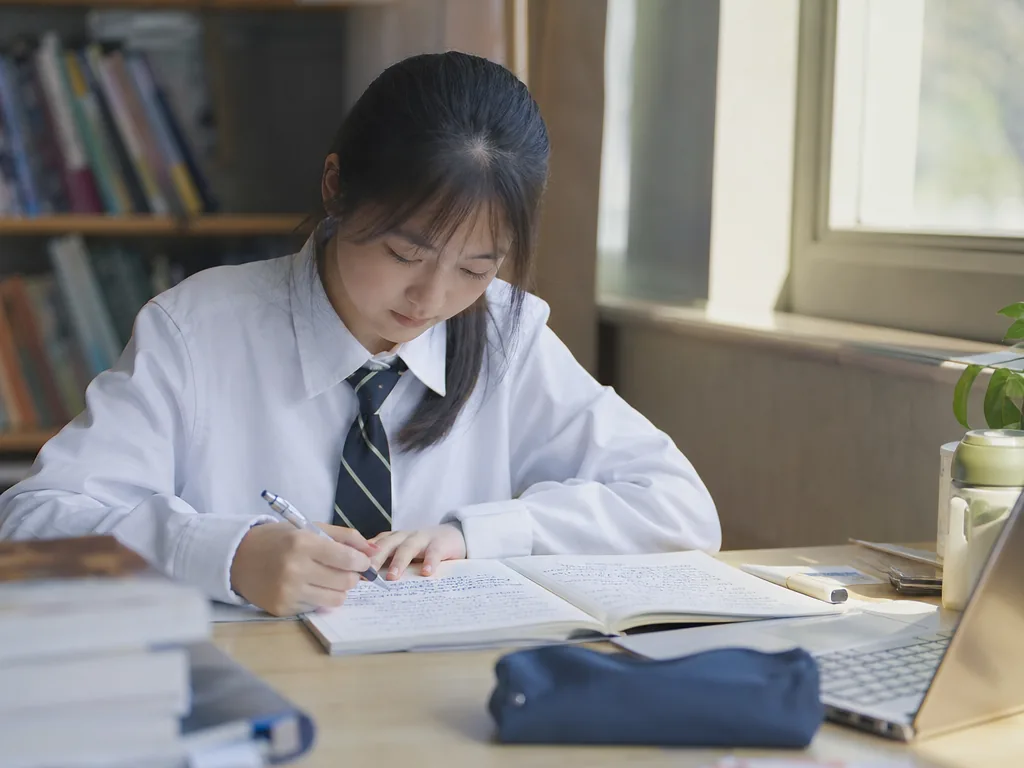
University pathways
- Chinese, media and cultural studies, comparative literature, linguistics
- Suited to applications to the University of Hong Kong, the Chinese University of Hong Kong, Tsinghua/Peking University, Oxford, Cambridge, UBC and other institutions
Future career advantages
- Editor, journalist, playwright, cultural critic, speech therapist, educator, and more
Frequently Asked Questions (FAQ)
Q: What is IB Chinese A: Language and Literature (SL), and what does it cover?
It is the IB Diploma Programme language subject for students whose first language is Chinese, combining language analysis with literary appreciation to build linguistic sensitivity, cultural awareness and critical thinking. The course is built on three core positions: language and text in equal measure, in-depth thinking and comparative reading, and cross-cultural understanding.
Q: What is the difference between IB Chinese A and Chinese B?
Chinese A suits native or near-native speakers and focuses on literary criticism, language analysis and cultural comparison, assessed through two papers plus an individual oral. Chinese B is designed for second-language learners and centres on language use, situational expression and practical communication, assessed through reading, writing, oral expression and listening.
Q: Which books are read in IB Chinese A, and what does an IO question look like?
Common set texts include Fortress Besieged (Qian Zhongshu), The Metamorphosis (Kafka), Hamlet (Shakespeare) and Red Rose, White Rose (Eileen Chang). A typical individual oral question compares a non-literary text with a literary work — for example, “The construction of gender imagery in Eileen Chang’s fiction and Hong Kong street advertising”.
Q: How should I write the essays and prepare for the examination?
For non-literary analysis use the “POET” technique (Purpose, Organization, Evidence, Tone); for comparative literary writing, build a comparison handbook that notes similarities and differences under a common theme. Practise with ibdocuments.com, Studynova and examiner reports, and rehearse the oral by recording yourself, joining group debates and simulating the IO.
Further Resources & Next Steps
- Official Resources — The IB Chinese A: Language and Literature guide, and the website of the Education Bureau (EDB) of the Hong Kong SAR (www.edb.gov.hk).
- Further Reading — Literary criticism resources such as CNKI and Douban Books for comparative analysis and citation support.
- Parent Tips — Encourage regular oral rehearsal (record and review) and a comparison handbook for Paper 2 practice.
Note: The information above is for reference only. For details, please refer to the website of the Education Bureau (EDB) of the Hong Kong SAR: www.edb.gov.hk.
This article was initially drafted and organised with AI. Editor / Professor Chan Kwok-wai; Managing Editor / Kong Yee-leung
Act Now: Find a Tutor / Register as a Tutor
For parents & students: looking for a home or online tutor for this subject? Click the button below to post a free tuition case (subject, level and preferred time) — TutorZone will match you with suitable tutors:
For tutors: do you teach this subject? Click the button below to register for free and receive more suitable cases — you pay only when a match is made: