
 中文(繁體)
 中文(簡體)
 English



Maracas (Shakers): Complete Overview, History and Learning Guide
TUTORZONE SUBJECT GUIDE · PERCUSSION
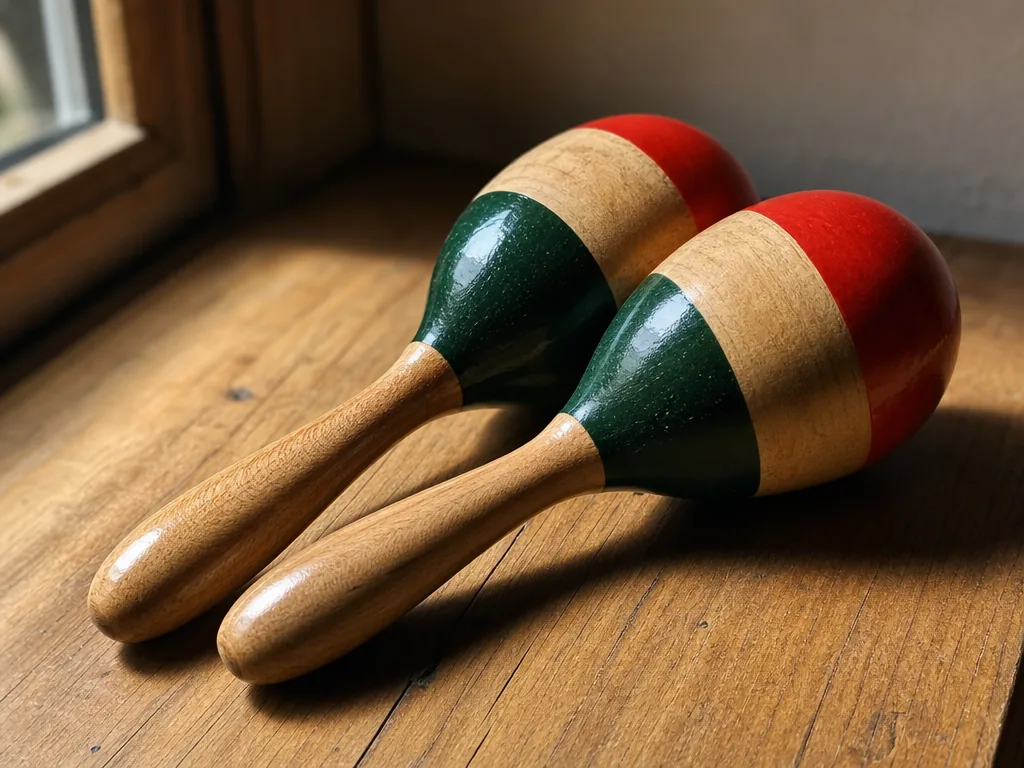
The maracas (shaker or maraca) is a traditional percussion instrument, usually made of a hollow container (such as a dried fruit, seeds or small pebbles) attached to a handle; when shaken, the contents collide with the container to produce sound. The instrument is widely used in the music of Latin America, the Caribbean and elsewhere, and also serves as an accompaniment tool in folk music and dance. The maracas’ sound is full of rhythm and suits various musical styles, including classical, folk and modern popular music.
Direct Answer:What are maracas?
Maracas are traditional percussion instruments made of a hollow container attached to a handle; when shaken, the contents collide with the containe。
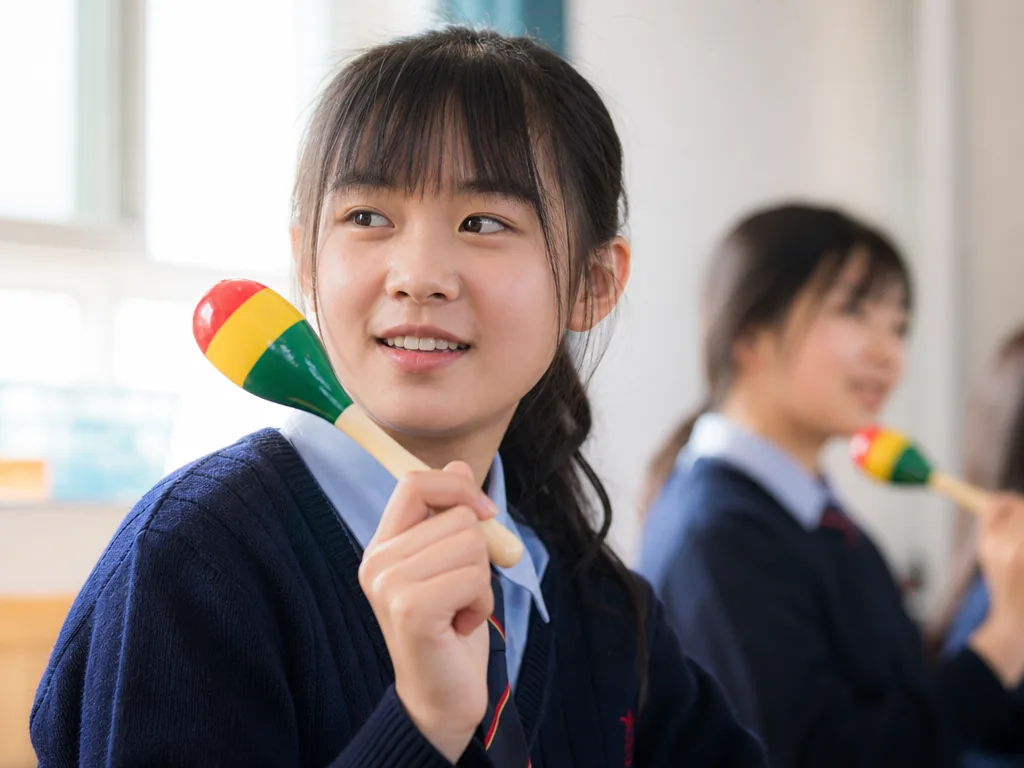
Origins of the Maracas
The origins of the maracas can be traced back thousands of years and are especially linked to the musical cultures of Latin America and Africa. Its earliest form probably originated from traditional African percussion instruments, usually made of hollow containers filled with natural substances such as seeds, pebbles or grit, and played by shaking.
African traditions
In Africa, maracas-like instruments were usually used in tribal ceremonies, sacrifices or celebrations. These instruments are part of tribal culture, used to express rhythm and emotion and to convey information.
Latin America
The maracas has a long history in Latin American music, especially in the Caribbean. Its prototype probably entered the Americas with the African slave trade and, combined with local musical traditions, gradually evolved into its common form today. In Latin music it is often used with other percussion instruments (such as drums, piano and guitar) to enhance the rhythm and dynamism of the music.
Development of the Maracas
Over time, the design of the maracas gradually became more diverse and came to be made from different materials such as wood, plastic and metal. Its shape and size also vary greatly, and maracas from different cultures and regions differ in sound quality.
Development in the 20th century
The maracas played an important role in 20th-century Latin and Caribbean music, especially in the music and dance forms of sub-Saharan Africa, samba and capoeira. Its sound quality works closely with dance movements and rhythm to create a joyful, dynamic musical atmosphere.
Its sound quality works closely with dance movements and rhythm to create a joyful, dynamic musical atmosphere.
Notable Maracas Players and Their Masterpieces
Although the maracas is a relatively simple instrument, in the hands of many musicians it can display a very high degree of skill and expressiveness. Below are some musicians who have had a profound influence on maracas performance and their masterpieces:
Carlos Santana
Carlos Santana is a celebrated Latin rock guitarist who has blended Latin musical elements into many of his works. Although Santana is mainly known as a guitarist, he often uses the maracas in his works to enhance the rhythm. Especially in classics such as Black Magic Woman and Oye Como Va, the maracas’ rhythm complements the guitar melody to create a vibrant musical atmosphere.
Tito Puente
Tito Puente is known as a “master” of Latin music, and he often used the maracas in his music to strengthen rhythmic expression. His famous pieces Oye Como Va and Mambo Inn demonstrate the important role of the maracas in Latin music. Puente’s playing technique is superb, using the maracas with other percussion instruments such as congas and tambourine to enhance the overall sound of the band.
Sergio Mendes
Sergio Mendes is a Brazilian musician representing the fusion of bossa nova and samba. In his music, the maracas is often used to enhance rhythm and the sense of dance. Especially in his album Brasil 66, the use of the maracas gives these works vitality and dynamism, making them classics for music lovers worldwide.
Traditional Cuban musicians
Cuba is one of the birthplaces of the maracas, and Cuban musicians have made a profound contribution to its development and use. Many of the signature rhythms of Cuban music, such as samba, bolero and cha-cha-cha, rely on the maracas to provide the rhythmic foundation. In these musical forms the maracas works together with other percussion instruments (such as congas and tambourine) to create a distinctive sense of rhythm.
The Musical Value and Influence of the Maracas
The musical value of the maracas is not limited to its tonal expression; it plays an important role in creating rhythm and atmosphere in many musical styles around the world. Whether in Latin music, African music or modern popular music, the maracas adds rich layers to musical works with its simple yet deeply expressive character.
Rhythmic role
The maracas usually plays the role of reinforcing rhythm and percussive effect in a band. It can highlight rhythmic changes in the music, making the overall performance more dynamic and engaging.
Emotional expression
The maracas’ tone is delicate and expressive, injecting passion and vitality into music. Especially in Latin, folk and dance music, the use of the maracas can evoke emotional resonance.
In summary, although the maracas is a seemingly simple instrument, it has had a huge influence on music around the world. Whether in traditional folk music or modern popular music, the maracas, with its unique sound and rhythmic charm, has become an indispensable part of music-making.
Frequently Asked Questions (FAQ)
Q: What are maracas made of?
Traditionally they are made from a hollow container — such as a dried fruit or gourd — filled with seeds, pebbles or grit and attached to a handle. Modern maracas are made from materials such as wood, plastic and metal.
Q: Where did the maracas originate?
Its roots go back thousands of years to traditional African percussion instruments. The prototype most likely reached the Americas through the African slave trade and, combined with local Caribbean and Latin musical traditions, evolved into the form we know today.
Q: Is the maracas easy for beginners to learn?
Yes — it is one of the most accessible percussion instruments. Simply shaking it to a steady beat produces a pleasing rhythmic sound, making it a common first percussion instrument for young children.
Q: Which musical styles use the maracas?
It appears in Latin and Caribbean music, African folk music, samba, bolero, cha-cha-cha, capoeira and modern popular music, and it also suits classical and folk music.
Further Resources & Next Steps
- Official Resources——Explore Latin and Caribbean music reference works and recordings at your local library or music school to hear the maracas in authentic context.
- Further Reading——A beginner percussion method book covering hand-held shakers and basic rhythm patterns.
- Parent Tips——Let young children shake maracas to nursery rhymes and simple beats; it builds a sense of rhythm and coordination without any prior training.
Note: The information above is for reference only. Please consult professional education institutions for details.
This article was initially drafted and organised with AI. Editor / Professor Chan Kwok-wai; Managing Editor / Kong Yee-leung
Act Now: Find a Tutor / Register as a Tutor
For parents & students: looking for a home or online tutor for this subject? Click the button below to post a free tuition case (subject, level and preferred time) — TutorZone will match you with suitable tutors:
For tutors: do you teach this subject? Click the button below to register for free and receive more suitable cases — you pay only when a match is made:
