
 中文(繁體)
 中文(簡體)
 English



Oboe: Complete Overview, History and Learning Guide
TUTORZONE SUBJECT GUIDE · WIND INSTRUMENTS
The oboe is the double-reed voice of the orchestra — bright, penetrating and richly expressive. This guide traces its history from antiquity to the modern instrument, explains how it is built and played, and profiles the players and music that define it.
Direct Answer:What is the oboe?
The oboe is the double-reed voice of the orchestra, known for its bright, penetrating and richly expressive tone.
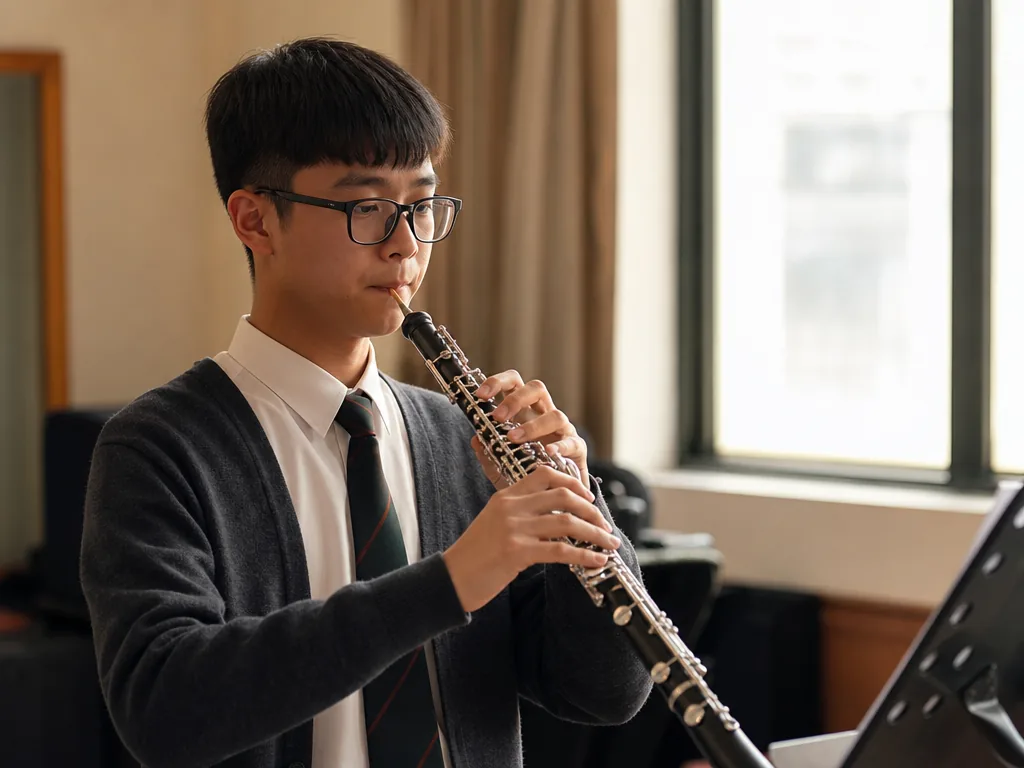
What Is the Oboe?
The oboe is a woodwind instrument belonging to the double-reed family. Its tone is clear and penetrating, and it is frequently used in orchestras and holds a distinctive position in many musical styles. The oboe takes its name from the double reed it uses (a double reed is made of two thin pieces of wood that vibrate to produce sound). The oboe has a very long history, and from the double-reed instruments of antiquity to the modern oboe it has undergone centuries of change and improvement.
Origins of the Oboe
Origins of the Early Oboe
The origins of the oboe can be traced back to ancient Greece and Rome. The double-reed instrument of that time was called the “aulos”, made of bamboo or wood and usually used in religious ceremonies, celebrations and entertainment. These ancient double-reed instruments had a bright, loud tone and could produce a strong sound in large settings.
Development in the Medieval and Renaissance Periods
By the Middle Ages, European woodwind-making techniques had improved, and the oboe began to become a common instrument in court and religious music. During the Renaissance (roughly the 14th to 16th centuries), the oboe’s design gradually matured and its tone became softer. Compared with other woodwinds of the time, such as the flute and clarinet, the oboe had a sharper tone.
Evolution in the 17th and 18th Centuries
The design and technique of the oboe developed further in the 17th and 18th centuries. Especially in the Baroque period, the oboe was gradually introduced into the orchestra and became an important instrument. The oboe’s tone was considered very suitable for expressing emotion, and composers such as Johann Sebastian Bach and George Frideric Handel wrote a large number of works that used the oboe.
Development from the 19th Century to the Present
In the 19th century the structure of the oboe underwent important improvements. As musicians’ demand for tone became more varied, the number of tone holes and the design of the bore were adjusted to improve the range and tonal variety. In addition, the materials used to make the oboe were improved, and the choice of wood and bore gave the oboe a warmer, richer tone.
Structure and Characteristics of the Oboe
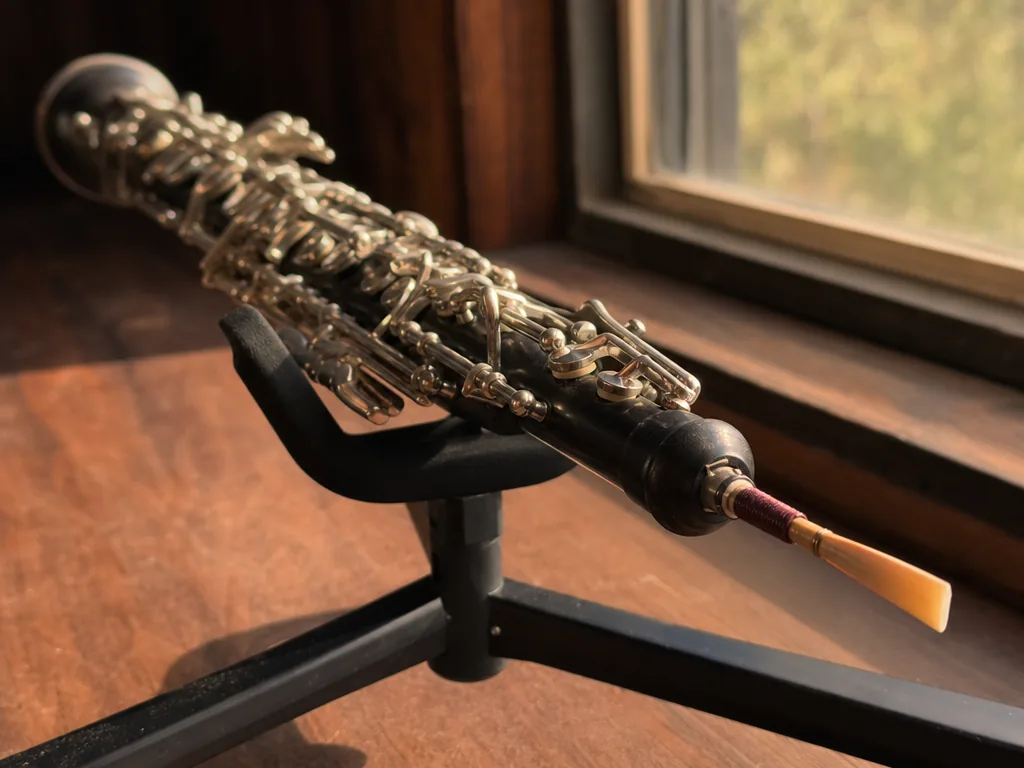
- Double reed——the core feature of the oboe is its double reed, made of two pieces of wood tightly bound together. When air passes through, the two pieces vibrate and produce sound. The double reed is the key to the oboe’s tone; it is usually made of cane and needs to be replaced frequently.
- Material and design——the modern oboe is usually made of wood, traditionally rosewood or other high-quality hardwood. The oboe’s body is about 65–70 cm long, with a straight bore and a bell-shaped flare. Its tone is clear and bright and can express very fine musical detail.
- Range and tone——the oboe has a wide range, performing well from the low to the high register. Its tonal character is bright and penetrating, and it is often used in the orchestra to emphasise melodies or to dialogue with other instruments.
- Playing technique——the oboe demands a very high level of technique, and the player must precisely control breath, embouchure and the operation of the double reed. The oboe’s pitch changes are very fine, and the player can adjust volume and tonal detail as needed, making the oboe very suitable for expressing emotionally rich music.
The Oboe in Music
- Its role in the orchestra——the oboe is one of the important woodwinds in the orchestra, usually used to play melodies or to dialogue with other instruments. Because its tone is bright and penetrating, the oboe is often used to highlight certain parts of the orchestra, especially in movements with dramatic or emotional expression.
- Solo and chamber music——the oboe is also a very suitable solo instrument. Many composers have written solo works for the oboe, and it also appears frequently in chamber music. Its bright, expressive tone brings unique charm to different musical settings.
- Film music——owing to its sad, gentle tone, the oboe often appears in film scores. It can add emotional depth to a film, especially in scenes expressing loneliness, sadness or romance.
Notable Oboe Players and Their Masterpieces
There have been many outstanding oboists in history, and their technique and expression have had an important influence on the development of oboe music. Below are some celebrated oboists and their representative works:
Alain Dumesnil
Masterpiece: Concerto for Oboe and Orchestra (performed by him). Alain Dumesnil is one of the great masters of the modern oboe, enjoying an international reputation for his outstanding technique and expressiveness. His oboe concerto performances demonstrate his deep understanding of musical emotion, and his playing is highly moving.
Patrick Gallois
Masterpiece: Oboe Concerto in D Minor (performed by him). Gallois is a celebrated contemporary oboist and conductor, skilled in performing all kinds of classic oboe works. His playing is known for its delicate tone, musical expressiveness and attention to detail.
Richard Hopkins
Masterpiece: Concerto for Oboe and Strings (performed by him). Hopkins is a highly skilled oboist whose performances are often poetic and perfectly combine emotion with technique.
Henry Purcell
Masterpiece: the oboe solo in The Fairy Queen. Although Henry Purcell died young, the works he wrote for the oboe continue to influence oboe music to this day. The oboe solo in his The Fairy Queen has very high artistic value and is a classic of oboe music.
Peter Bax
Masterpiece: Oboe Sonata in C Major. Bax is an oboist known for both performance and composition, and his Oboe Sonata in C Major is regarded as a classic of contemporary oboe music, demonstrating his deep understanding and artistic expression of music.
The Musical Value of the Oboe
The musical value of the oboe lies in its expressiveness and delicacy. Its tone is very well suited to expressing emotionally profound music, and in the orchestra the oboe’s sound can penetrate and blend with other instruments. Its performance in solo works is equally of high artistic value and can convey rich emotional layers.
- Emotional expression——the oboe’s tone is especially suited to expressing tender, sad or highly expressive melodies, and in slow movements it lets the audience feel deep emotional fluctuations.
- Tonal variety——the oboe has a wide range of tonal variation, moving flexibly from a bright, penetrating high register to a deep, warm low register.
- Distinctive technique——oboe technique is refined, including precise breath control, embouchure adjustment and skilled handling of the double reed, all of which give the oboe a unique position in music.
From the ancient aulos to the modern concert oboe, the instrument’s clear, penetrating voice — tender in slow movements and piercing in the orchestra — has carried centuries of emotion across every musical style.
Frequently Asked Questions (FAQ)
Q: Is the oboe a difficult instrument to learn?
Yes. The oboe demands a very high level of technique — the player must precisely control breath, embouchure and the operation of the double reed, which makes it one of the more challenging woodwinds for beginners.
Q: At what age can a child start learning the oboe?
Because the oboe requires strong breath support and fine control of the embouchure, most teachers recommend starting around age 10 or later. Younger children often begin on another instrument and switch once they have developed the necessary strength.
Q: Why does the oboe play the tuning note for the orchestra?
The oboe’s bright, penetrating and steady tone is easy for every other instrument to hear, so orchestras traditionally tune to the oboe’s A.
Q: How often does the double reed need to be replaced?
Because reeds are made of cane and wear out quickly, players typically rotate through several reeds and replace them frequently — often every few days or weeks, depending on how much they play.
Further Resources & Next Steps
- Official Resources——graded music examination boards such as ABRSM and Trinity College London offer oboe syllabuses covering technique, repertoire and sight-reading.
- Further Reading——standard oboe repertoire and recordings, from Baroque concertos by Bach and Handel to modern film scores.
- Parent Tips——let young players begin with a comfortable reed and short, regular practice sessions, and encourage listening to solo oboe recordings to build a feel for its tone.
Note: The information above is for reference only. Please consult professional education institutions for details.
This article was initially drafted and organised with AI. Editor / Professor Chan Kwok-wai; Managing Editor / Kong Yee-leung
Act Now: Find a Tutor / Register as a Tutor
For parents & students: looking for a home or online tutor for this subject? Click the button below to post a free tuition case (subject, level and preferred time) — TutorZone will match you with suitable tutors:
For tutors: do you teach this subject? Click the button below to register for free and receive more suitable cases — you pay only when a match is made: