
 中文(繁體)
 中文(簡體)
 English



Organ: A Complete Guide to Its Origins, History and Greatest Players
TUTORZONE SUBJECT GUIDE · KEYBOARD INSTRUMENTS
The organ is one of the oldest, largest and most magnificent-sounding keyboard instruments in the world, with a history stretching back more than two thousand years to ancient Greece.
Direct Answer:What is the organ and how old is it?
The organ is one of the oldest, largest, most magnificent keyboard instruments, with a history stretching back over two thousand years to ancient G。
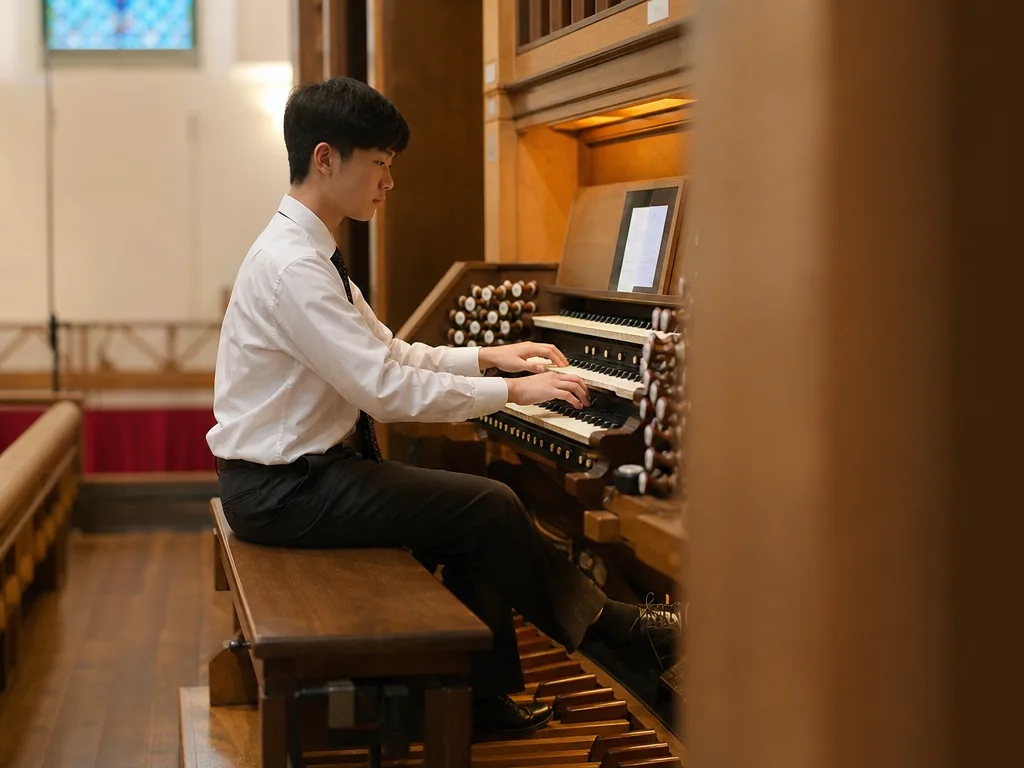
The Origins: The Greek “Hydraulis”
- The earliest organ was known as the “hydraulis”, invented around the 3rd century BC by the ancient Greek engineer Ctesibius.
- It used water pressure to control airflow and drive the pipes to produce sound, making it the ancestor of the organ family.
The Middle Ages and the Rise of the Church Organ
- In the Middle Ages, the organ gradually evolved into a mechanically operated instrument and became closely associated with Christian churches — an indispensable instrument in European religious ceremonies.
- The 14th to 18th centuries were a golden age for the organ, when organ technology reached its peak, especially in Germany and France.
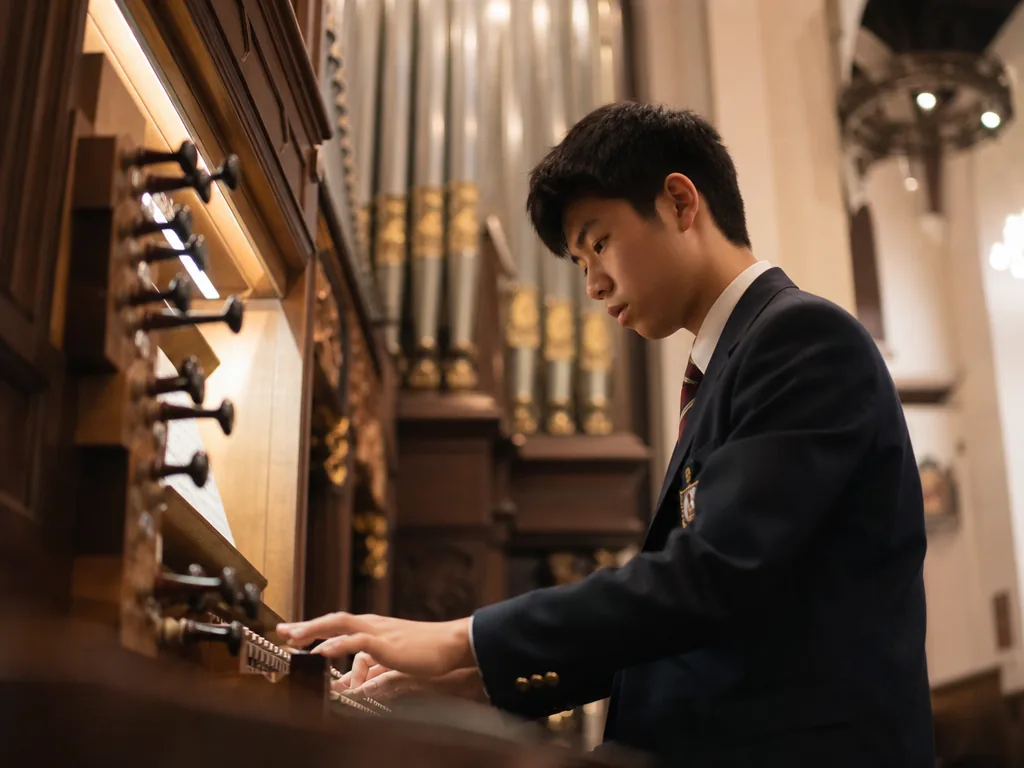
Types of Modern Organ
Pipe Organ
Uses air to drive its pipes — the most traditional and awe-inspiring form.
Electronic Organ
Uses electronic synthesis to simulate sound — common in modern music and home use.
Theatre Organ
Used in the early 20th century to accompany silent films, with a lavish and varied style.
Great Organists and Recommended Classic Organ Works
Organists are often composers as well as performers, and their works span the religious, classical and modern music worlds.
1. Johann Sebastian Bach (1685–1750)
Style: a leading figure of the Baroque era, hailed as the father of organ music.
Classic works:
- Toccata and Fugue in D minor, BWV 565
- Jesu, Joy of Man’s Desiring
- Prelude and Fugue in E-flat Major, “St. Anne”, BWV 552
2. César Franck (1822–1890)
Nationality: Belgian/French
Style: Romantic, skilled in rich harmonies and organ improvisation.
Classic works:
- Grande Pièce Symphonique
- Prière, Op. 20
- Pastorale
3. Charles-Marie Widor (1844–1937)
Claim to fame: the founder of the organ symphony.
Classic works:
- Toccata from Symphony No. 5
- Symphony No. 6
4. Louis Vierne (1870–1937)
Standing: organist of Notre-Dame de Paris, with a style that is both dramatic and mystical.
Representative works:
- his series of organ symphonies (six in total)
- Carillon de Westminster
5. Olivier Messiaen (1908–1992)
Style: a leading figure of modernism, abstract and mystical, combining birdsong with religious inspiration.
Classic works:
- La Nativité du Seigneur
- Méditations sur le Mystère de la Sainte Trinité
Frequently Asked Questions (FAQ)
Q: What is the difference between a pipe organ and an electronic organ?
A pipe organ drives its sound with air pushed through real pipes, making it the most traditional and awe-inspiring form; an electronic organ uses electronic synthesis to simulate that sound and is common in modern music and home use.
Q: When was the organ invented, and by whom?
The earliest organ — the “hydraulis” — was invented around the 3rd century BC by the ancient Greek engineer Ctesibius, who used water pressure to control airflow and drive the pipes.
Q: Who is considered the father of organ music?
Johann Sebastian Bach (1685–1750), a leading figure of the Baroque era. His Toccata and Fugue in D minor, BWV 565, remains among the most celebrated organ works ever written.
Q: When was the organ’s golden age?
The 14th to 18th centuries, when organ technology reached its peak — especially in Germany and France — and the instrument became indispensable to European church ceremonies.
Further Resources & Next Steps
- Official Resources——Explore TutorZone’s Keyboard Instruments courses to begin organ and keyboard lessons with experienced tutors.
- Further Reading——Study scores of Bach’s Toccata and Fugue in D minor, BWV 565, and Widor’s Toccata from Symphony No. 5.
- Parent Tips——Start young learners on an electronic organ before progressing to a pipe organ, and build listening habits around classic organ repertoire.
Note: The information above is for reference only. Please consult professional education institutions for details.
This article was initially drafted and organised with AI. Editor / Professor Chan Kwok-wai; Managing Editor / Kong Yee-leung
Act Now: Find a Tutor / Register as a Tutor
For parents & students: looking for a home or online tutor for this subject? Click the button below to post a free tuition case (subject, level and preferred time) — TutorZone will match you with suitable tutors:
For tutors: do you teach this subject? Click the button below to register for free and receive more suitable cases — you pay only when a match is made: