 中文(繁體)
 中文(簡體)
 English

Physical Education and Health in Hong Kong Secondary Schools: A Complete Guide
TUTORZONE SUBJECT GUIDE · LOCAL SECONDARY SCHOOL
The “Physical Education and Health” curriculum in Hong Kong secondary schools is a cornerstone of students’ all-round development. Through physical activity, health education and life-skills training, it promotes students’ physical, mental and social well-being.
Direct Answer:What is Physical Education and Health in Hong Kong secondary schools?
It is a cornerstone curriculum promoting physical, mental and social well-being through physical activity, health education and life-skills training.
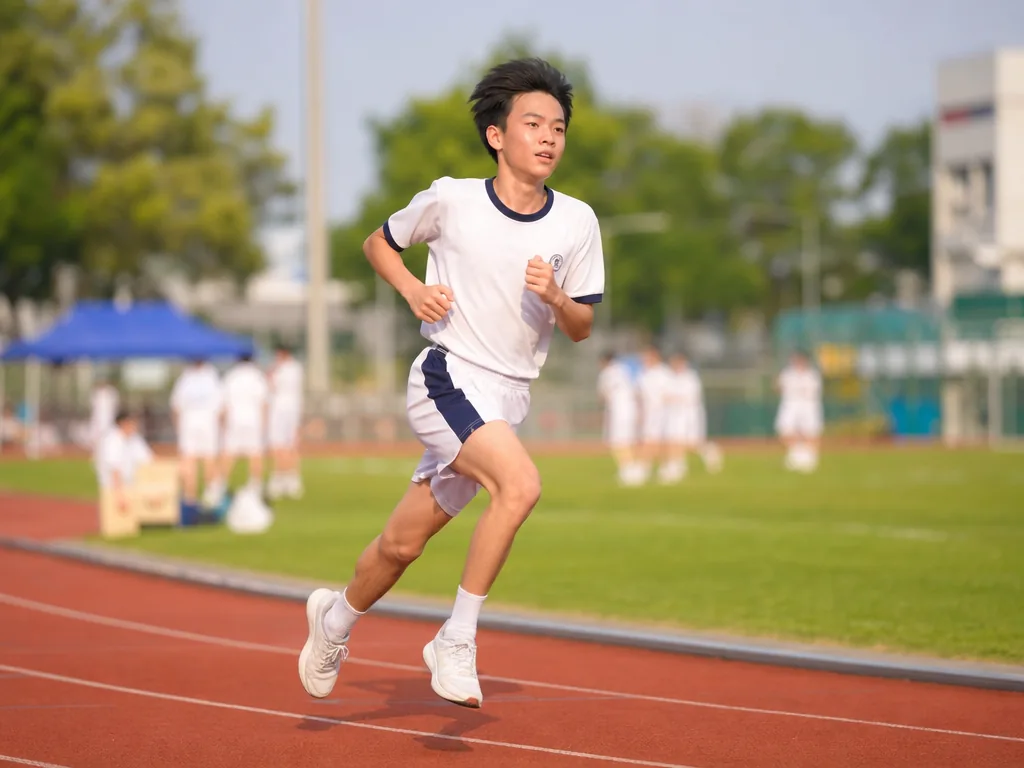
Curriculum Aims
Physical Education and Health is built around four interlocking aims that go far beyond the playing field:
Physical Development
Enhance students’ fitness, coordination and motor skills.
Health Awareness
Cultivate healthy lifestyle habits and an understanding of the benefits of exercise for physical and mental well-being.
Social & Emotional Development
Develop communication skills, a sense of responsibility and resilience through teamwork.
Lifelong Sport
Stimulate students’ interest in physical activity and encourage continued participation.
Curriculum Structure
The Physical Education and Health curriculum in Hong Kong secondary schools is generally divided into two main areas:
Practical Physical Education
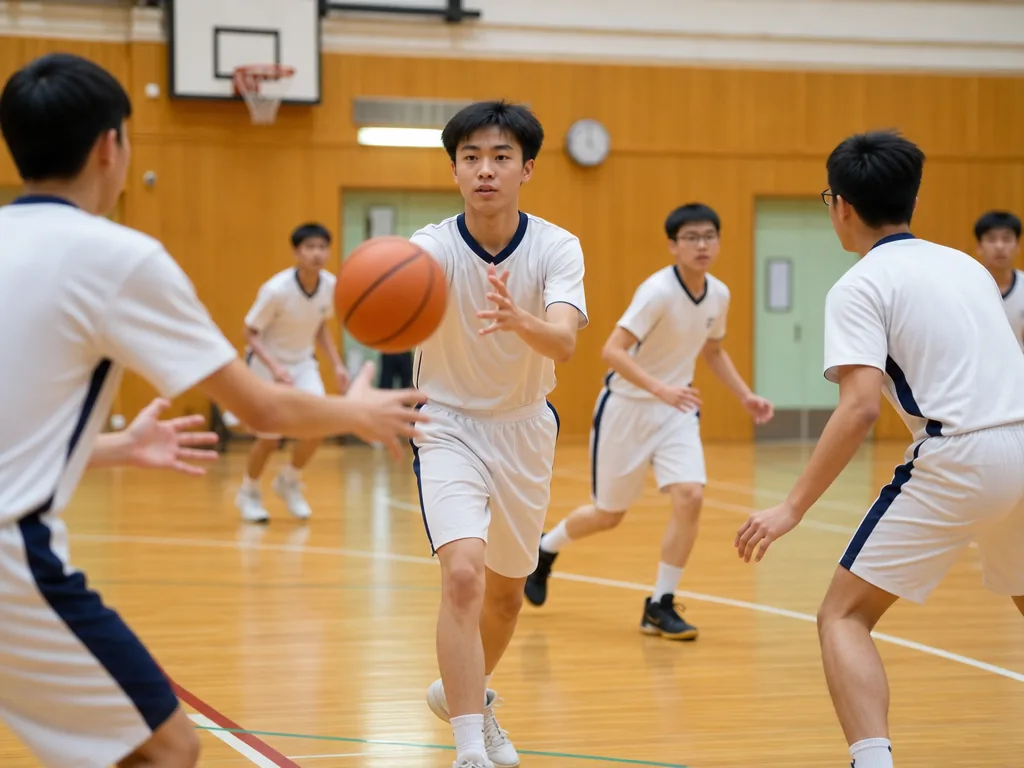
- Compulsory content — covering fundamental sports such as athletics, swimming, basketball, football, volleyball, badminton, table tennis and gymnastics.
- Elective or special programmes — some schools offer dance, martial arts, rock climbing and rowing, depending on available resources.
- Fitness training — including endurance, strength, flexibility and speed training, such as running and core-muscle exercises.
Health Education
- Theory lessons — teaching healthy eating, sports science (such as energy systems and how muscles work), injury prevention, mental health (such as stress management) and adolescent development.
- Issue-based discussion — covering social health topics such as drug abuse, internet addiction and sexual health.
The Teaching Process
Lesson Arrangements
- Approximately one to two PE lessons per week (each lasting 40–80 minutes); some schools hold morning exercises or break-time activities.
- A combination of practical and theory, for example explaining relevant physiological knowledge before exercise.
Assessment Methods
- Skills assessment — students complete technical tests in specific sports (such as basketball shooting or a swimming distance).
- Fitness tests — based on Hong Kong school standards, such as an endurance run (9-minute run), sit-ups and the sit-and-reach test.
- Written tests or reports — assessment of health knowledge or project work (such as designing a personal fitness plan).
- Participation — classroom performance, teamwork and so on.
Special Activities & Extension
- Inter-school competitions — students may represent their school in competitions organised by the Hong Kong Schools Sports Federation (HKSSF).
- Outdoor education — some schools organise hiking, orienteering or camps to develop leadership and environmental adaptability.
- Health promotion — working with the Department of Health or non-governmental organisations to hold talks and workshops (such as first-aid training).
Curriculum Reform & Trends
- E-learning — using technology to record exercise data (such as heart-rate monitoring and fitness apps).
- Inclusive sport — paying attention to the participation of students with special educational needs (SEN) and designing adaptive activities.
- Healthy school policy — promoting the “Healthy Eating at School” programme, limiting sugary drinks and adding healthy menu options.
Relevant Literature, Policy & The Big Picture
- Reference to the Hong Kong Education Bureau’s Secondary School Physical Education Curriculum Guide and Healthy School Policy.
- Some schools adopt the International Baccalaureate (IB) or IGCSE physical education framework, with a stronger emphasis on scientific analysis (such as sports biomechanics).
The Physical Education and Health curriculum not only emphasises the mastery of motor skills but also focuses on cultivating students’ health literacy and a positive attitude towards life, responding to modern society’s demand for physical and mental well-being.
The flexible curriculum design balances local culture with an international outlook, laying the foundation for students’ lifelong health.
Frequently Asked Questions (FAQ)
Q: Is Physical Education and Health compulsory in Hong Kong secondary schools?
Yes. Physical education is a compulsory part of the secondary curriculum, with schools typically arranging one to two lessons per week plus morning exercises or break-time activities.
Q: How is PE assessed?
Assessment usually combines skills tests in specific sports, fitness tests based on Hong Kong school standards (such as the 9-minute run and sit-and-reach test), written tests or project reports on health knowledge, and participation marks for classroom performance and teamwork.
Q: Which sports are typically covered?
The compulsory content covers athletics, swimming, basketball, football, volleyball, badminton, table tennis and gymnastics, while many schools also offer electives such as dance, martial arts, rock climbing and rowing depending on available resources.
Q: How can parents support their child’s physical and health development?
Encourage regular physical activity outside school, support a healthy diet low in sugary drinks, and stay involved in school sports events and health-promotion activities.
Further Resources & Next Steps
- Official Resources — the Hong Kong Education Bureau’s Secondary School Physical Education Curriculum Guide and the Department of Health’s Healthy School Policy.
- Further Reading — the Hong Kong Schools Sports Federation (HKSSF) competition calendar and the IB / IGCSE physical education frameworks.
- Parent Tips — encourage daily physical activity, limit sugary drinks, and take part in school health-promotion talks and workshops.
Note: The information above is for reference only. Please consult professional education institutions for details.
This article was initially drafted and organised with AI. Editor / Professor Chan Kwok-wai; Managing Editor / Kong Yee-leung
Act Now: Find a Tutor / Register as a Tutor
For parents & students: looking for a home or online tutor for this subject? Click the button below to post a free tuition case (subject, level and preferred time) — TutorZone will match you with suitable tutors:
For tutors: do you teach this subject? Click the button below to register for free and receive more suitable cases — you pay only when a match is made: