
 中文(繁體)
 中文(簡體)
 English



Piano: A Complete Guide to Its Origins, History and Greatest Players
TUTORZONE SUBJECT GUIDE · KEYBOARD INSTRUMENTS
From Bartolomeo Cristofori’s hammer-action breakthrough in 1700 Florence to the 88-key concert grand of today, the piano has grown into the most expressive instrument in Western music. This guide traces its origins and evolution, and profiles the greatest pianists whose masterpieces still define the repertoire.
Direct Answer:What is the piano and where did it originate?
The piano is a keyboard instrument invented by Bartolomeo Cristofori in 1700 Florence, evolving into the 88-key concert grand as Western music’s mo。
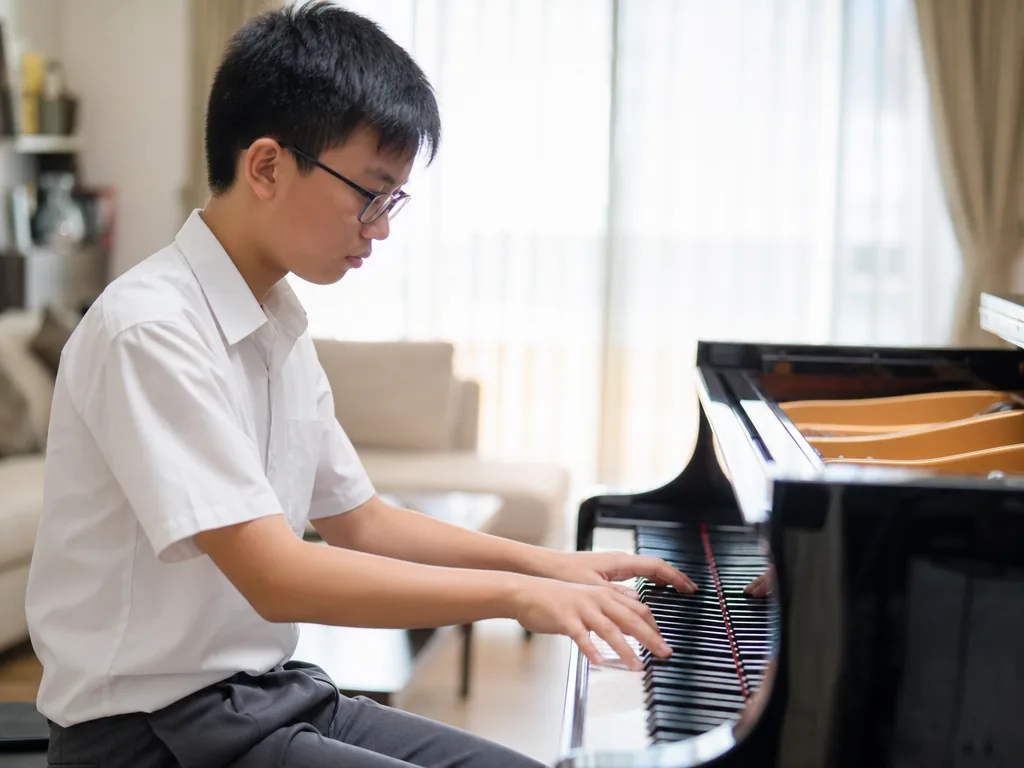
The Origins and Development of the Piano: From the Harpsichord to the Modern Piano
The piano is a keyboard instrument with a long history, and its development can be traced back to the early 18th century. The earliest piano was created around 1700 by the Italian inventor Bartolomeo Cristofori, who was originally an instrument maker for the Medici family in Florence. Cristofori successfully combined the structure of the harpsichord with a hammer mechanism to create an instrument capable of expressing loud and soft dynamics — the prototype of the modern piano.
The Origin of the Name “Piano”
“Piano” is in fact short for “pianoforte”, meaning an instrument that can play both loud (forte) and soft (piano) volumes — an innovative breakthrough at the time.
The Stages of the Piano’s Development
Early Piano
Early 18th century, simple in structure and quiet in volume.
Viennese Piano
Light and responsive, much loved by Mozart.
Romantic-era Piano
Brands such as Steinway rose to prominence; the piano’s structure became more robust and its range widened to 88 keys, ushering in a golden age.
The World’s Greatest Pianists and Their Masterpieces
History has produced many great pianists and composers who were not only superb performers but also wrote piano works of far-reaching influence.
1. Ludwig van Beethoven
- Period — the transition from the Classical to the Romantic era.
- Representative works
- Moonlight Sonata, Op. 27, No. 2
- Pathétique Sonata, Op. 13
- Appassionata Sonata, Op. 57
2. Frédéric Chopin
- Period — Romantic era.
- Style — delicate, poetic and imbued with national character.
- Representative works
- Revolutionary Étude, Op. 10, No. 12
- Nocturne in E-flat Major, Op. 9, No. 2
- Piano Sonata No. 3 in B minor, Op. 58
3. Franz Liszt
- Period — Romantic era.
- Style — virtuosic, emotionally rich and a born stage performer.
- Representative works
- Liebesträume
- Hungarian Rhapsody No. 2
- Sonata in B minor
4. Alexander Scriabin
- Period — late Romantic and early Modernist.
- Style — mysticism, colour music and harmonic innovation.
- Representative works
- Études, Op. 8
- Piano Sonata No. 5
5. Hans von Bülow
- Significance — the first pianist to perform all 32 of Beethoven’s piano sonatas in full, and a pupil and champion of Liszt.
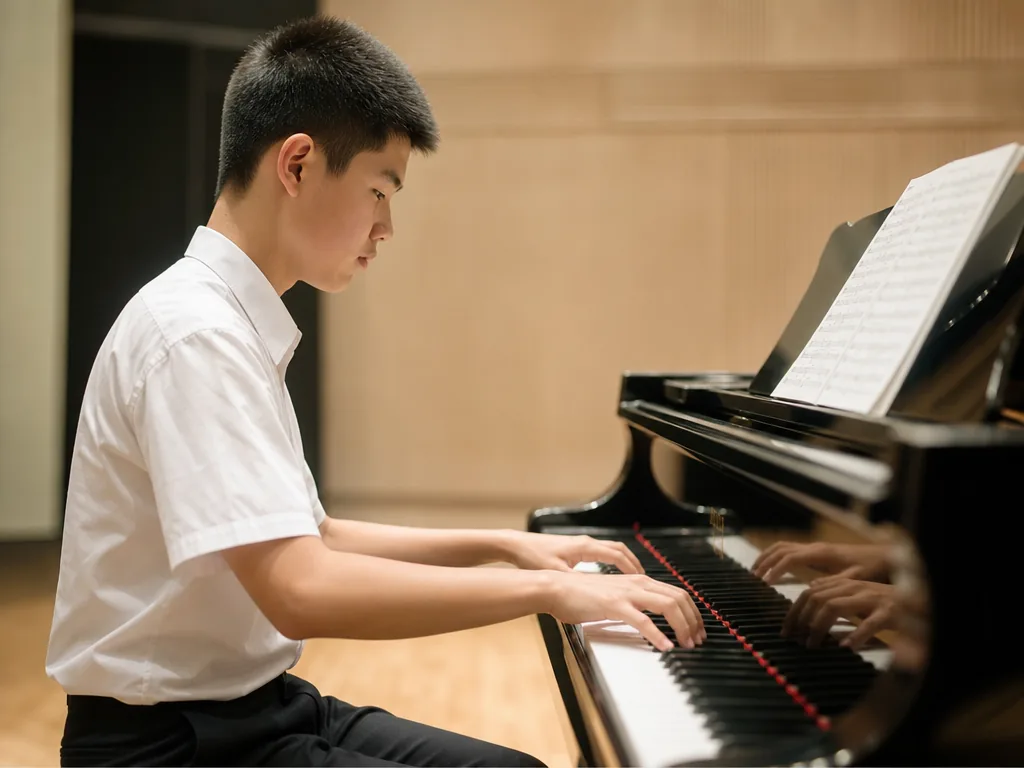
Conclusion: The Cultural Value and Influence of the Piano
The piano is not only a tool of musical expression but also a cultural vessel. Whether in classical music, jazz, pop or film scores, the piano plays an irreplaceable role. From Cristofori to the present day, the piano has borne witness to the evolution of music and the rich expression of human emotion.
Frequently Asked Questions (FAQ)
Q: Who invented the piano?
The Italian instrument maker Bartolomeo Cristofori created the earliest piano around 1700 in Florence, combining the harpsichord’s structure with a hammer mechanism.
Q: What does “pianoforte” mean?
It means “soft-loud”: an instrument that can play both soft (piano) and loud (forte) volumes, which was an innovative breakthrough at the time.
Q: How is a piano different from a harpsichord?
A piano uses hammers to strike the strings, so it can vary volume, whereas a harpsichord plucks the strings and produces a more fixed, quieter sound.
Q: How many keys does a modern piano have?
The modern piano has 88 keys, a range that was reached during the Romantic era as the instrument’s structure became more robust.
Further Resources & Next Steps
- Official Resources — The Associated Board of the Royal Schools of Music (ABRSM) provides graded piano exams and official syllabuses for learners of all levels.
- Further Reading — “Piano: The Making of a Steinway Concert Grand” by James Barron offers a close-up look at how a concert grand is built.
- Parent Tips — For young beginners, choose a well-regulated piano or a full-size weighted keyboard and a qualified teacher, and build a short daily practice routine.
Note: The information above is for reference only. Please consult professional education institutions for details.
This article was initially drafted and organised with AI. Editor / Professor Chan Kwok-wai; Managing Editor / Kong Yee-leung
Act Now: Find a Tutor / Register as a Tutor
For parents & students: looking for a home or online tutor for this subject? Click the button below to post a free tuition case (subject, level and preferred time) — TutorZone will match you with suitable tutors:
For tutors: do you teach this subject? Click the button below to register for free and receive more suitable cases — you pay only when a match is made:
Practice paper for this subject (original, with full worked solutions):ABRSM Piano grade exam guide (2027 & 2028 syllabus)。