
 中文(繁體)
 中文(簡體)
 English



Ruan (Chinese Lute): Complete Overview, History and Learning Guide
TUTORZONE SUBJECT GUIDE · PLUCKED STRING INSTRUMENTS
A round-bodied plucked lute with a history of thousands of years, the ruan (ruanqin) is prized across Chinese classical, folk and modern music for its rich, deep tone. Here is its story, its most influential players, and the classic works worth hearing first.
Direct Answer:What is the ruan?
The ruan is a round-bodied plucked lute with a rich, deep tone, prized in Chinese classical, folk and modern music.
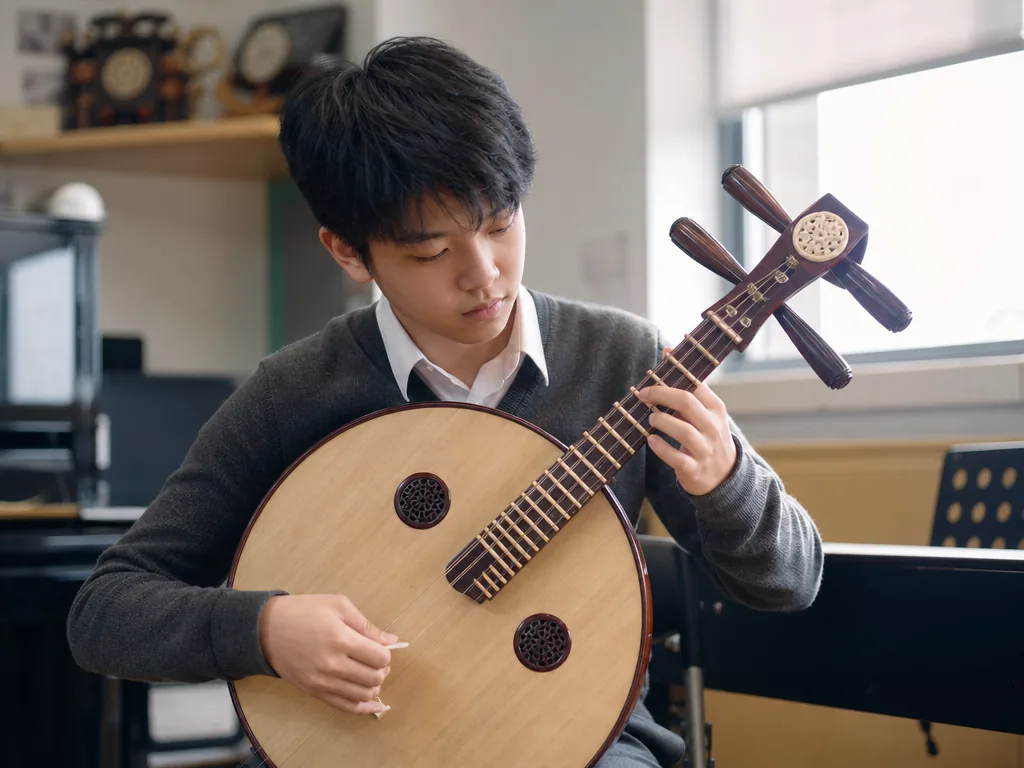
The Ruan: A Traditional Chinese String Instrument
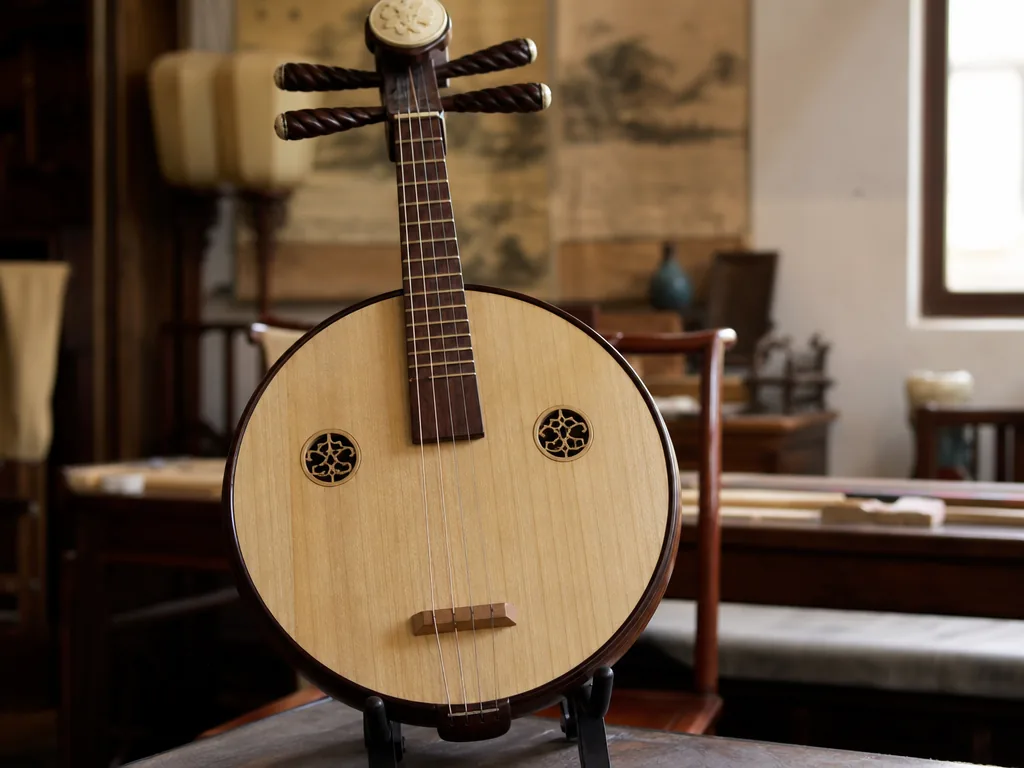
The ruan, also known as the ruanqin, is a traditional Chinese plucked string instrument with a history of thousands of years. Its tone is rich and deep, and it is widely used in Chinese classical music, folk music and modern music. The shape of the ruan and its number of strings resemble the guitar and the pipa, but its distinctive tone and playing method give it an important place among Chinese instruments.
Origins of the Ruan
- Ancient origins——The history of the ruan can be traced back to ancient China. As early as the Warring States period (475–221 BC), ruan-like instruments already appeared in Chinese records. The ancestor of the ruan may have originated from Persian, Indian or Central Asian string instruments and, through the integration and evolution of Chinese musical culture, gradually formed its present appearance.
- Development in the Han dynasty——The ruan gradually took shape in the Han dynasty (206 BC–220 AD) and became an important instrument in court and folk music. At that time the ruan was usually used for ceremonies and musical performances.
- The Tang and Song dynasties——During the Tang and Song dynasties, ruan music reached its peak, and its manufacturing techniques and tone were further refined.
Evolution of the Ruan
- The Ming and Qing dynasties——During the Ming and Qing dynasties the ruan was widely used in Chinese opera and classical music, especially in Peking opera and other forms of opera, where its use enhanced the drama and emotional expression of the music.
- Modern development——The modern ruan has inherited tradition while gradually absorbing Western musical elements, becoming an indispensable part of modern Chinese music and being fused by some musicians with other Western instruments.
Notable Ruan Masters and Their Representative Works
Throughout the development of the ruan, many outstanding musicians have made it a highlight of Chinese music through their superb technique and unique musical expression. Below are several influential ruan masters and their representative works.
1. Yu Lina
Nationality: China
Contribution: Yu Lina is one of the most influential ruan players in contemporary China and enjoys a very high reputation internationally. Her technique is superb, and she is especially skilled at bringing out the ruan’s tone to the fullest, blending classical and modern musical elements.
Representative works:
- Plum Blossom Melody (Meihua San Nong)——A ruan solo piece with a strong Chinese character, demonstrating the ruan’s delicate emotion and clear tone; Yu Lina’s interpretation is a classic.
- Moonlit Night on the Spring River (Chun Jiang Hua Yue Ye)——Performed by Yu Lina, this piece deeply expresses the scenery and emotion of the Jiangnan water country and is a classic of ruan music.
2. Tang Junjie
Nationality: China
Contribution: Tang Junjie is a celebrated ruan player in China, admired worldwide for his superb technique and musical understanding. He is dedicated to exploring the ruan’s modern musical expression and constantly pushing the boundaries of traditional music.
Representative works:
- Higher and Higher (Bu Bu Gao)——This piece demonstrates Tang Junjie’s deep understanding of the ruan’s tone and expresses the charm of Chinese classical music to the fullest.
- Azalea (Ying Shan Hong)——A work rich in emotion; Tang Junjie’s performance brings the contrast between the ruan’s high and low registers vividly to life, conveying strong feeling.
3. Li Guang
Nationality: China
Contribution: Li Guang is one of the representative figures in contemporary ruan music in China; his playing style is unique and innovative. He excels not only at traditional music but also works to integrate modern and Western musical elements into ruan performance.
Representative works:
- High Mountains and Flowing Water (Gao Shan Liu Shui)——Li Guang’s version performs this ancient masterpiece in a more modern way, fully showing the ruan’s rich tone and multi-layered expression.
- The Heroic Little Sisters of the Grassland (Cao Yuan Ying Xiong Xiao Jie Mei)——Full of power and dynamism, Li Guang brings out the ruan’s tone and technique to the fullest, highlighting the unique charm of Chinese folk music.
4. Liu Xuewen
Nationality: China
Contribution: Liu Xuewen is a celebrated ruan player and music educator in China, with a profound influence on the research and development of ruan music. She emphasises the emotional expression of ruan music and has brought its musical style to the international stage.
Representative works:
- Singing the Night Among Fishing Boats (Yu Zhou Chang Wan)——This piece expresses the softness and tranquillity of the Jiangnan water country; Liu Xuewen’s performance is delicate and full of emotion, and highly moving.
- Sunshine Over the Land (Yang Guang Zhao Yao Da Di)——This work praises a good life, and Liu Xuewen uses the ruan’s distinctive tone to express an optimistic, uplifting feeling.
Recommended Classic Ruan Works
| Composer/Musician | Work | Musical style | Characteristics |
|---|---|---|---|
| Li Guang | High Mountains and Flowing Water | Classical | Shows the ruan’s multi-layered emotion and technique |
| Yu Lina | Plum Blossom Melody | Folk | Chinese style, showing the ruan’s delicate tone and emotion |
| Tang Junjie | Higher and Higher | Classical | Expresses the charm of Chinese music, with superb technique |
| Liu Xuewen | Singing the Night Among Fishing Boats | Folk | Softness and tranquillity, expressing the beauty of the Jiangnan water country |
Frequently Asked Questions (FAQ)
Q: What is the difference between the ruan and the pipa?
The ruan resembles the guitar and the pipa in shape and stringing, yet it stands apart through its distinctive rich, deep tone and its playing method, which give it an important place among Chinese instruments.
Q: Where did the ruan come from?
Ruan-like instruments appear in Chinese records as early as the Warring States period (475–221 BC). The instrument’s ancestor may have originated from Persian, Indian or Central Asian string instruments, and it gradually took shape in the Han dynasty before reaching its peak in the Tang and Song dynasties.
Q: Who are the most influential ruan players?
Four figures are especially celebrated: Yu Lina, Tang Junjie, Li Guang and Liu Xuewen. Each has brought the ruan to international audiences and contributed signature solo works that showcase its range, from the delicate Plum Blossom Melody to the powerful Heroic Little Sisters of the Grassland.
Q: Which ruan pieces should a new listener start with?
Begin with the classics: Plum Blossom Melody, Moonlit Night on the Spring River, High Mountains and Flowing Water, and Singing the Night Among Fishing Boats. For something more upbeat, try Higher and Higher or Sunshine Over the Land.
Further Resources & Next Steps
- Official Resources——Look to the performance catalogues and teaching materials of major Chinese conservatories and orchestras, which publish authoritative recordings and scores for the ruan.
- Further Reading——Explore histories of Chinese plucked string instruments and biographies of ruan masters such as Yu Lina, Tang Junjie, Li Guang and Liu Xuewen to deepen your understanding of the repertoire.
- Parent Tips——If your child shows an interest in the ruan, start with short listening sessions built around the classic works above, then seek a qualified teacher who can introduce proper plucking and fretting technique from the beginning.
Note: The information above is for reference only. Please consult professional education institutions for details.
This article was initially drafted and organised with AI. Editor / Professor Chan Kwok-wai; Managing Editor / Kong Yee-leung
Act Now: Find a Tutor / Register as a Tutor
For parents & students: looking for a home or online tutor for this subject? Click the button below to post a free tuition case (subject, level and preferred time) — TutorZone will match you with suitable tutors:
For tutors: do you teach this subject? Click the button below to register for free and receive more suitable cases — you pay only when a match is made: