
 中文(繁體)
 中文(簡體)
 English



Ukulele: A Complete Guide to Its Origins, History and Greatest Players
TUTORZONE SUBJECT GUIDE · STRING INSTRUMENTS
From a Portuguese machete to a global music phenomenon — this complete guide traces the ukulele’s Hawaiian origins, celebrates its greatest players, and lists the classic works every enthusiast should know.
Direct Answer:What is the origin of the ukulele?
The ukulele originated from a Portuguese machete and became a global music phenomenon through its Hawaiian origins.

The Birth of the Ukulele: A Stringed Instrument from Hawaii
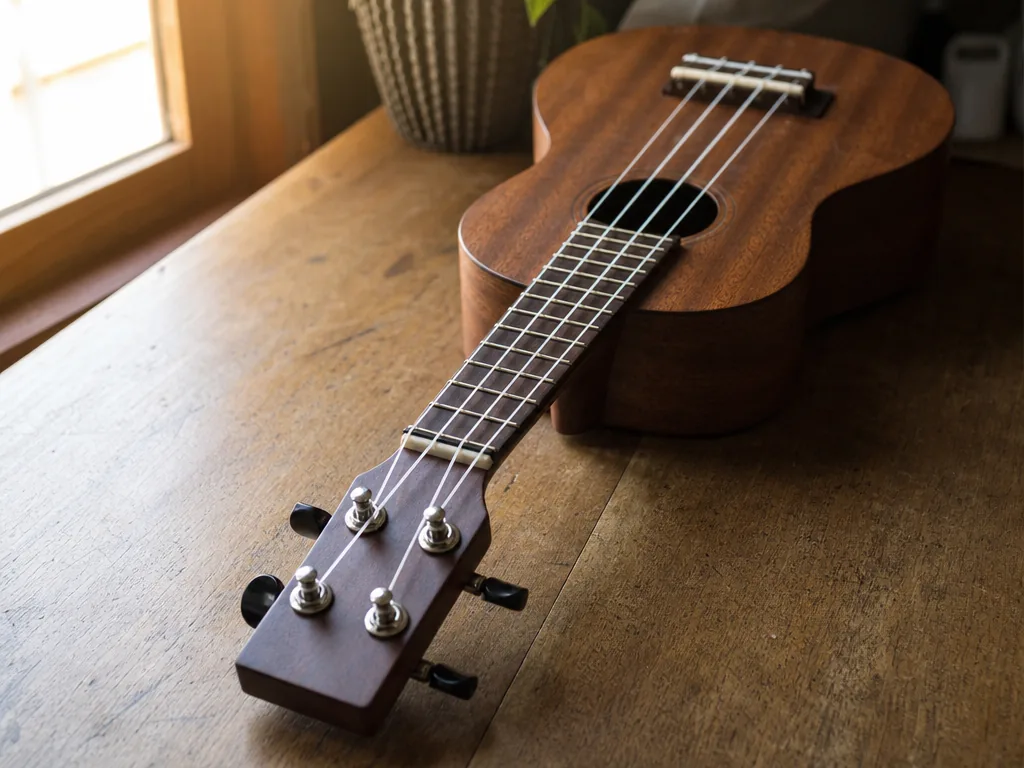
The ukulele is a small four-stringed instrument originating in Hawaii. With its bright, lively tone, it is one of the representative instruments of Hawaiian music and is widely used in folk, pop and world music. Although the ukulele is now a globally popular instrument, its history and development have a rich background.
The Origins of the Ukulele
- Mid-19th century: The ukulele’s origins can be traced to an instrument brought to Hawaii by Portuguese immigrants. Around 1879, Portuguese immigrants brought a small guitar-like instrument called the “machete”, which locals modified and which eventually evolved into the ukulele we know today.
- Hawaiian modifications: After Portuguese immigrants introduced the machete to Hawaii, local craftsmen began improving it to suit Hawaiian needs, eventually forming the modern ukulele. The instrument has a shorter scale and four strings, with a lighter, more pleasing tone.
20th-Century Rise and Globalisation
- Early 20th century: The ukulele became increasingly important in Hawaiian music and spread to other regions, particularly the United States mainland, along with Hawaiian music.
- 1920s: With the rise of popular music, the ukulele played an important role in pop music and became a common accompanying instrument in light music and variety performances.
- Modern era: Today the ukulele holds a place not only in Hawaiian music but is also loved by musicians and music lovers worldwide, as a portable, easy-to-learn instrument with a distinctive tone.
Outstanding Ukulele Masters and Their Representative Works
The ukulele’s development owes much to these outstanding musicians, whose superb technique and innovative expression have made the instrument a highlight of the global music scene. Here are several influential ukulele masters and their representative works.
Israel Kamakawiwo’ole (1959–1997)
- Nationality: Hawaiian
- Contributions:
- Israel Kamakawiwo’ole (commonly known as IZ) was a world-famous Hawaiian musician whose ukulele style blended Hawaiian tradition with modern pop elements. His music is beloved worldwide and has become representative of ukulele music.
- Representative works:
- Over the Rainbow / What a Wonderful World — sung and played on the ukulele, one of his signature works. It blends the classic Over the Rainbow with Louis Armstrong‘s What a Wonderful World; its warm tone and lyrical melody are deeply loved.
- Hawaiian Wedding Song — a typical Hawaiian-style song showcasing IZ’s warm, clear ukulele playing.
Jake Shimabukuro (b. 1976)
- Nationality: American (Hawaiian)
- Contributions:
- Jake Shimabukuro is one of the most influential ukulele masters of our time. Known for his highly creative technique, he has extended the ukulele’s range from traditional Hawaiian music to modern music, jazz and even classical music.
- Representative works:
- While My Guitar Gently Weeps (The Beatles) — Jake’s ukulele version of this classic was widely praised; his technique took the ukulele’s tone to a whole new level.
- Dragon — showcases Jake’s innovative technique and musical expression; his rapid technique and explosive style brought a fresh perspective to ukulele music.
Taimane Gardner (b. 1989)
- Nationality: Hawaiian
- Contributions:
- Taimane Gardner is one of the most recognised ukulele players of the present day, blending modern pop, classical and Hawaiian music. Her playing is highly expressive and known for its dynamic stage presence.
- Representative works:
- Bohemian Rhapsody (Queen) — Taimane’s ukulele version of this classic rock song showcases her technically brilliant, powerful style.
- No Regrets — fully demonstrates her creativity and technique, bringing the ukulele into more diverse musical territory.
Kamaka Ukulele (brand)
- Nationality: Hawaiian (brand founder)
- Contributions:
- Kamaka Ukulele is an iconic brand in ukulele making. Founded in 1916 by Samuel Kamaka, it is one of the world’s most reputable ukulele makers. Although Samuel Kamaka was not a performer, his contribution to the ukulele is irreplaceable.
- Representative works:
- Since its founding, Kamaka Ukulele has produced countless high-quality instruments and become the brand of choice for musicians and enthusiasts worldwide. Its ukuleles have a bright tone and refined design, favoured by many musicians.
Classic Ukulele Works Recommended
| Composer/Musician | Work | Style | Characteristics |
|---|---|---|---|
| Israel Kamakawiwo’ole | Over the Rainbow / What a Wonderful World | Hawaiian, pop | A classic blending traditional and Hawaiian styles |
| Jake Shimabukuro | While My Guitar Gently Weeps | Rock, pop | A technically brilliant ukulele arrangement |
| Taimane Gardner | Bohemian Rhapsody | Rock, pop | A dynamic ukulele version |
| Kamaka Ukulele | Kamaka Ukulele | Hawaiian music | A premium ukulele-making brand with a bright tone |
Frequently Asked Questions (FAQ)
Q: Is the ukulele easy for beginners to learn?
Yes — it is widely regarded as one of the most beginner-friendly stringed instruments. With only four nylon strings, a shorter scale and light string tension, simple chords and songs can be learned quickly, making it especially popular with young learners and first-time musicians.
Q: What are the main sizes of ukulele?
The four common sizes are soprano, concert, tenor and baritone. Soprano is the smallest and most traditional, while tenor offers a fuller tone and more room on the fingerboard. Baritone is tuned differently (D-G-B-E, like the top four strings of a guitar).
Q: How is the ukulele different from a guitar?
A standard ukulele has four strings and is typically tuned to G-C-E-A, whereas a guitar has six strings and is tuned E-A-D-G-B-E. The ukulele is smaller, lighter, uses softer nylon strings, and has a brighter, warmer tone — qualities that make it easier on the fingers and highly portable.
Q: Where should I start listening to ukulele music?
A good starting point is Israel Kamakawiwo’ole’s medley Over the Rainbow / What a Wonderful World, followed by Jake Shimabukuro’s ukulele arrangement of While My Guitar Gently Weeps. Both show the instrument’s range, from gentle Hawaiian warmth to virtuosic modern technique.
Further Resources & Next Steps
- Official Resources——Kamaka Ukulele (kamakahawaii.com), founded in 1916 by Samuel Kamaka, is one of the world’s most reputable ukulele makers and a trusted reference for instrument craftsmanship.
- Further Reading——The Ukulele: A Visual History by Jim Beloff offers an accessible, illustrated account of the instrument’s origins and evolution.
- Parent Tips——For a young beginner, start with a soprano or concert ukulele; the soft nylon strings and short learning curve help build confidence and good practice habits early on.
Note: The information above is for reference only. Please consult professional education institutions for details.
This article was initially drafted and organised with AI. Editor / Professor Chan Kwok-wai; Managing Editor / Kong Yee-leung
Act Now: Find a Tutor / Register as a Tutor
For parents & students: looking for a home or online tutor for this subject? Click the button below to post a free tuition case (subject, level and preferred time) — TutorZone will match you with suitable tutors:
For tutors: do you teach this subject? Click the button below to register for free and receive more suitable cases — you pay only when a match is made: