
 中文(繁體)
 中文(簡體)
 English



Violin: A Complete Guide to Its Origins, History and Greatest Players
TUTORZONE SUBJECT GUIDE · STRING INSTRUMENTS
From its early bowed ancestors in the Middle East and Asia to the master workshops of Cremona, the violin has become the most celebrated member of the string family. This guide traces its origins and history, then profiles the greatest violinists whose works still define the repertoire today.
Direct Answer:What is the violin and where did it come from?
The violin is the most celebrated member of the string family, tracing its early bowed ancestors to the Middle East and Asia and later to the maste。
What Is the Violin?
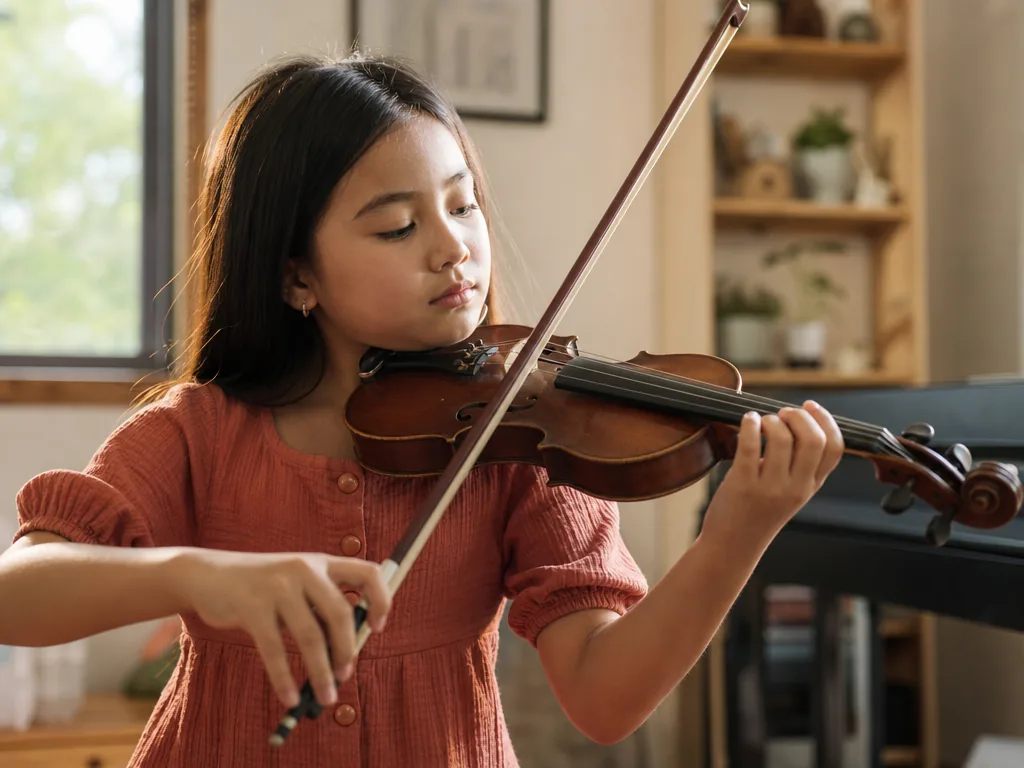
The violin is a four-stringed bowed instrument and the highest-pitched member of the modern string family, which also includes the viola, cello and double bass. With its bright tone and rich expressiveness, it is one of the central instruments in classical, jazz, folk and popular music.
The Origins and a Brief History of the Violin
Predecessors: Bowed Instruments of the Middle East and Asia
- Early bowed instruments such as the Arabic “Rebab”, the Central Asian “Kemenche” and the Chinese “Erhu” are considered the distant ancestors of the violin.
Evolution during the Italian Renaissance
- In the early 16th century (around 1550), the violin appeared in northern Italy (Brescia and Cremona).
- The earliest modern violins were built by Andrea Amati, who is known as the “father of the modern violin”.
The Rise of the Classic Violin-Making Dynasties
- The three great masters of Cremona:
- Amati
- Guarneri
- Stradivari, whose instruments remain the supreme symbol of the world’s finest violins to this day.
Stradivari’s instruments remain the supreme symbol of the world’s finest violins to this day.
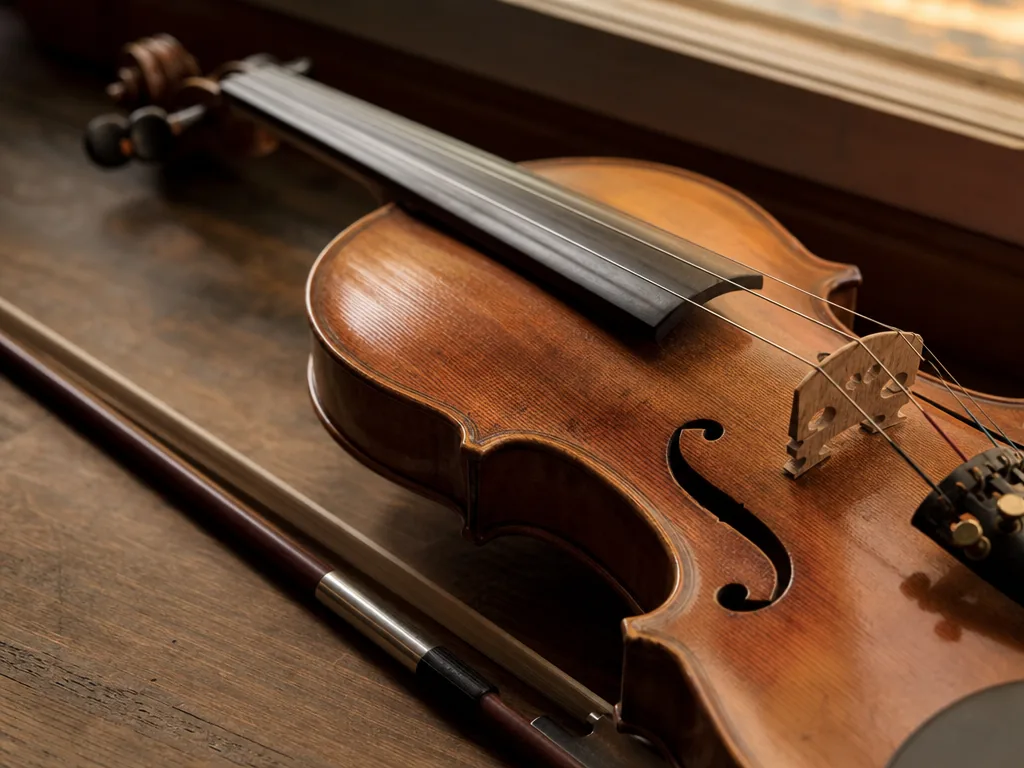
Outstanding Violinists and Their Representative Works
History has produced countless great violinists who not only advanced playing technique but also composed or interpreted works of immense historical value.
1. Niccolò Paganini (1782–1840)
Characteristics: Known as “the Devil of the Violin”, celebrated for his virtuosity and dramatic performances.
Representative works:
- 24 Caprices (Caprices for Solo Violin, Op. 1) — particularly No. 24, which has been adapted by countless composers.
- Violin Concerto No. 1
2. Yehudi Menuhin (1916–1999)
Characteristics: One of the most influential violinists of the 20th century, a promoter of music education and international cultural exchange.
Representative works:
- Bach’s Sonatas and Partitas for Solo Violin
- His recording of the Violin Concerto with the English composer Elgar
3. Itzhak Perlman (b. 1945)
Characteristics: Blends technique, emotion and musicality; a long-standing titan of the classical music world.
Representative works:
- Brahms’s Violin Concerto
- The soundtrack to Schindler’s List (featuring the violin as lead instrument)
4. Jascha Heifetz (1901–1987)
Characteristics: Regarded as “the embodiment of perfect violin playing”, with astonishing speed and accuracy.
Representative works:
- Tchaikovsky’s Violin Concerto in D major
- Sibelius’s Violin Concerto
5. Hilary Hahn (b. 1979)
Characteristics: One of the most outstanding female violinists of our time, renowned for her clear tone and impeccable interpretation.
Representative works:
- Bach’s Sonatas and Partitas for Solo Violin
- Violin concertos by contemporary composers such as Jennifer Higdon (written for her)
Frequently Asked Questions (FAQ)
Q: At what age can a child start learning the violin?
Children often begin between the ages of four and six using smaller fractional-size instruments, but learners of any age can start successfully with a suitably sized violin and a patient teacher.
Q: How do I choose the right violin size for a beginner?
Violins come in sizes from 1/16 up to full size (4/4). A teacher or violin shop can measure the player’s arm length to match the correct size, which is essential for comfortable posture and good technique.
Q: How long does it take to play the violin well?
With regular, focused practice, most beginners can play simple melodies within a year, while reaching an advanced level typically takes several years of sustained study.
Q: Is the violin harder to learn than other instruments?
The violin has no frets, so players must develop a keen ear to find the right notes. It takes patience early on, but consistent practice builds strong intonation and musicality over time.
Further Resources & Next Steps
- Official Resources——The ABRSM (Associated Board of the Royal Schools of Music) and the Suzuki Method both offer graded violin syllabuses and teaching guidance for learners of every age.
- Further Reading——Listen to the standard repertoire featured above — Paganini’s 24 Caprices, the violin concertos of Tchaikovsky and Brahms, and Bach’s Sonatas and Partitas — to hear each great violinist’s distinctive style.
- Parent Tips——Encourage short, regular practice sessions and take children to live concerts so they stay inspired by what the violin can do.
Note: The information above is for reference only. Please consult professional education institutions for details.
This article was initially drafted and organised with AI. Editor / Professor Chan Kwok-wai; Managing Editor / Kong Yee-leung
Act Now: Find a Tutor / Register as a Tutor
For parents & students: looking for a home or online tutor for this subject? Click the button below to post a free tuition case (subject, level and preferred time) — TutorZone will match you with suitable tutors:
For tutors: do you teach this subject? Click the button below to register for free and receive more suitable cases — you pay only when a match is made: