
 中文(繁體)
 中文(簡體)
 English



What is AP Art History? Complete Guide
TUTORZONE SUBJECT GUIDE · AP
AP Art History is a College Board Advanced Placement course that takes students from ancient civilisations to modern art, teaching them to analyse the form, content and context of works from across the globe.
Direct Answer:What is AP Art History?
AP Art History is a College Board AP course from ancient civilisations to modern art, teaching analysis of form, content and context.
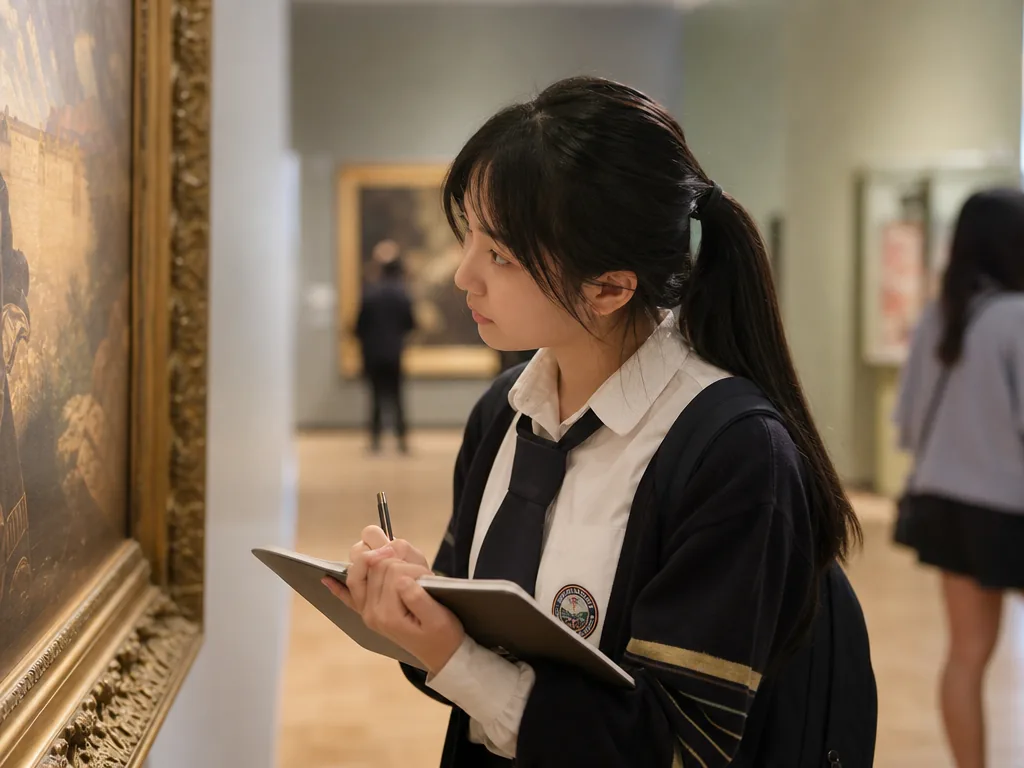
What Is AP Art History?
AP Art History is an art history course within the Advanced Placement (AP) programme offered by the College Board in the United States. It is designed for high school students who are interested in gaining an in-depth understanding of the development of art, artistic styles, the lives of artists and the relationship between art and culture. The course not only gives students an understanding of the historical background of works of art from around the world, but also helps them to analyse the form, content and context of artworks, thereby developing a deeper appreciation of art.
AP Art History covers a very wide range of material, spanning works of art from many periods, from ancient to modern. Students learn how to analyse works of art and to understand the styles, techniques and meanings of art in different cultural and historical contexts. The course has significant academic value for students who are interested in pursuing fields such as art, design, museum studies, history or cultural studies.
Students learn how to analyse works of art and to understand the styles, techniques and meanings of art in different cultural and historical contexts.
The main aim of the AP Art History course is to help students understand in depth the historical background of works of art, the artists and their creative processes. The course covers not only Western art history but also non-Western art, giving students a comprehensive understanding of the development of art around the world.
Analysing Artworks
- Formal analysis——students learn to analyse a work of art from a formal perspective, including elements such as line, shape, colour, composition and texture, and to understand how these help to express the artist’s intentions and emotions.
- Content analysis——analysing the content of a work of art and exploring the theme, story or symbolic meaning it expresses.
- Contextual analysis——understanding the historical and cultural background in which a work of art was created, and its role in the society of its time. For example, students learn how works of art reflected the religious, political and economic factors of their era.
The Development of Art History
- Ancient art——students study the art forms that developed in ancient civilisations such as Ancient Egypt, Ancient Greece and Ancient Rome, and understand how this art reflected the society and religious beliefs of the time.
- Medieval and Renaissance art——exploring the characteristics of medieval Christian art and the artistic innovations of the Renaissance, and understanding how art was influenced by science, philosophy and humanist thought.
- Modern and contemporary art——students study modern art movements from the 19th century onwards, such as Impressionism, Cubism and Abstract Expressionism, and understand how they challenged traditional artistic conventions and reflected the changes of modern society.
Art, Culture and Identity
- Religion and art——an in-depth study of how religion influenced artistic creation in different periods, particularly the religious art of Christian, Islamic and Buddhist cultures.
- Politics and society——understanding how political and social movements shaped artistic creation, such as political propaganda art during revolutions and art produced in wartime.
- Art and identity——exploring how issues of identity such as gender, race and class have influenced artistic creation, and understanding how diverse cultural backgrounds shape artistic styles.
Key Artists and Cross-Cultural Comparisons
- Masterpieces——students study the works of famous artists such as Leonardo da Vinci, Michelangelo, Van Gogh and Picasso, and analyse their creative styles and their influence on the development of art.
- Artists’ backgrounds——understanding the lives of these artists, their creative processes and their role within the cultural and political context of their time.
- Western and non-Western art——the course involves comparing Western art (such as European art) with non-Western art (such as Chinese, Indian, African and Latin American art), and students learn to analyse the forms, styles and underlying ideas of art in different cultures.
- The evolution of artistic styles——studying how artistic styles evolved across different cultures and historical periods, and understanding how they have influenced modern art.
Exam Structure and Scoring
The AP Art History exam is designed to assess students’ understanding and analysis of works of art. The exam is divided into two parts: a multiple-choice section and a free-response section.
| Section | Format | Time |
|---|---|---|
| Multiple Choice | About 80 questions testing understanding of artworks, artists’ lives, art history and context | — |
| Free Response | 3 written questions requiring in-depth analysis of artworks, periods, styles or cultures | 2 hours |
The AP Art History exam is scored out of a total of 5, with a score of 5 representing university-level ‘A’ performance. The scores from the multiple-choice and free-response sections are combined to produce the final result.

Why Study AP Art History?
Broadened artistic horizons
Students study art from many different periods and cultures, broadening their outlook and gaining a more comprehensive understanding of the development of art worldwide.
Improved analysis and critical thinking
The course places emphasis on the in-depth analysis of works of art, helping students to develop critical thinking and the ability to interpret artworks.
Greater cross-cultural understanding
AP Art History gives students the opportunity to understand and compare art from different cultural backgrounds, promoting cross-cultural understanding and appreciation.
University preparation
The course provides a solid foundation for future university study in art, design, history and related subjects, and is helpful for students pursuing art-related careers.
Summary
AP Art History is an art history course designed for students, aiming to help them understand works of art from all over the world and from every period. Students learn how to analyse the form, content and context of artworks, and explore the close relationships between art and culture, history and society. The course not only helps students improve their understanding of art, but also enhances their critical thinking and analytical skills, which is of great benefit to future academic study and careers.
Frequently Asked Questions (FAQ)
Q: Is AP Art History difficult?
AP Art History requires a certain amount of memorisation and analytical ability, as the course involves a large amount of content on works of art, artists and historical background. Students need to invest time in learning and mastering various artistic styles and historical contexts, and to be able to express their analysis clearly.
Q: Which courses should I take first?
AP Art History has no prerequisites, but students should have a basic interest in and understanding of art, history and culture. Studying the course requires good reading, writing and analytical skills.
Q: How is AP Art History different from other art courses?
AP Art History focuses more on the historical and cultural context of art and places emphasis on the analysis and comparison of works of art. Other art courses (such as AP Studio Art) place more emphasis on creative skills, requiring students to produce and present their own artwork.
Q: How is the AP Art History exam scored?
The exam is scored on a 5-point scale, with a score of 5 representing university-level ‘A’ performance. The multiple-choice and free-response scores are combined to produce the final result.
Further Resources & Next Steps
- Official Resources——The College Board AP Art History Course and Exam Description — the authoritative guide to the required works and exam format.
- Further Reading——Khan Academy’s free AP Art History course and The Metropolitan Museum of Art’s Heilbrunn Timeline of Art History.
- Parent Tips——Take your child to galleries and museums and talk about what you see — everyday visual-literacy habits make the course’s formal-analysis skills feel natural.
Note: The information above is for reference only. Please consult professional education institutions for details.
This article was initially drafted and organised with AI. Editor / Professor Chan Kwok-wai; Managing Editor / Kong Yee-leung
Act Now: Find a Tutor / Register as a Tutor
For parents & students: looking for a home or online tutor for this subject? Click the button below to post a free tuition case (subject, level and preferred time) — TutorZone will match you with suitable tutors:
For tutors: do you teach this subject? Click the button below to register for free and receive more suitable cases — you pay only when a match is made: