 中文(繁體)
 中文(簡體)
 English



What is AP Chinese Language & Culture? Complete Guide
TUTORZONE SUBJECT GUIDE · AP
AP Chinese Language & Culture develops advanced listening, speaking, reading and writing skills alongside a deep understanding of the culture, history and social issues of the Chinese-speaking world. Here is the complete guide to course content, exam structure and why it matters.
Direct Answer:What is AP Chinese Language & Culture?
AP Chinese Language & Culture develops advanced listening, speaking, reading, and writing skills with understanding of the culture, history, and so。
What Is AP Chinese Language & Culture?
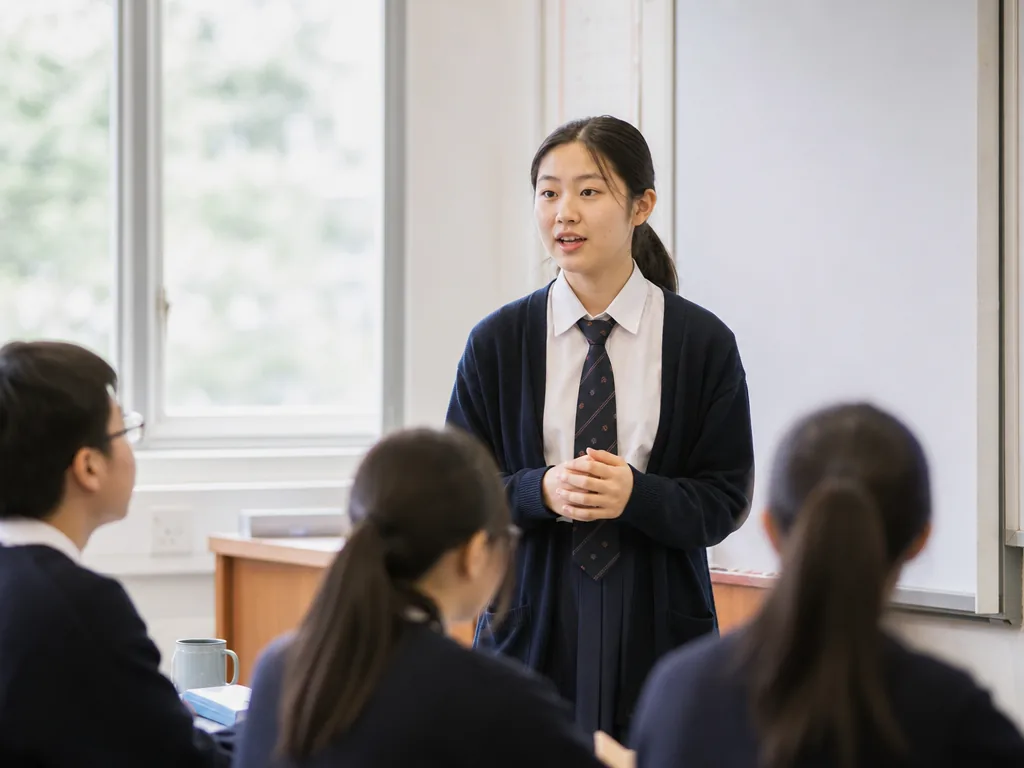
AP Chinese Language & Culture is a language course offered within the Advanced Placement (AP) programme of the College Board in the United States, aiming to help students improve their Chinese language skills and understand in depth the cultural background of Chinese-speaking countries.
The course not only emphasises the study of the Chinese language, but also covers the culture, history, art and social issues of China and other Chinese-speaking countries, helping students to understand the language and life of these countries comprehensively.
AP Chinese Language & Culture is suitable for students who already have a foundation in Chinese and wish to improve their listening, speaking, reading and writing skills. Through the course, students become able to communicate effectively in Chinese at an advanced level and gain a deeper understanding of the cultures of the Chinese-speaking world.
Through the course, students become able to communicate effectively in Chinese at an advanced level and gain a deeper understanding of the cultures of the Chinese-speaking world.
Course Content Overview
The AP Chinese Language & Culture course is designed with a focus on improving students’ Chinese language skills while deepening their understanding of Chinese culture and society. The following are the main topics covered:
Language Skills Development
- Listening comprehension — students listen to a variety of Chinese materials, including conversations, news reports and radio programmes, and learn to understand Chinese spoken with different accents and at different speeds.
- Speaking — students take part in various speaking exercises, from everyday conversation to discussing social issues, and learn to express themselves fluently in Chinese in different situations.
- Reading comprehension — students read different types of Chinese text, such as newspapers, novels and scientific articles, and learn to analyse and understand their content.
- Writing — students write various types of Chinese text, including letters, reviews and academic essays, and improve their grammatical accuracy and fluency of expression.
Cultural Understanding and Society
- The history and cultural background of China — students learn about the historical events, cultural development and social structure of China, and how this background influences modern Chinese society.
- Contemporary Chinese social issues — the course explores current social issues in China, such as environmental protection, urbanisation and the education system, helping students understand their impact on Chinese society.
- Daily life and customs in China — students learn about the Chinese way of life, including food, dress and festivals, and compare Chinese culture with that of other countries.
- Chinese art and literature — students study classical works in Chinese literature, music and painting, and analyse how they have influenced world culture.
Grammar, Vocabulary and Cross-Cultural Comparisons
Grammar and Vocabulary
- Grammar structures — students learn Chinese grammar rules, including word order, sentence patterns, and verb tense and mood, and strengthen their command of grammar.
- Vocabulary expansion — students learn advanced vocabulary related to daily life, culture, politics and the economy, and use it flexibly in various contexts.
Cross-Cultural Comparisons
- Comparing China with other Chinese-speaking countries — students compare the cultural differences and commonalities between China and other Chinese-speaking countries (such as Taiwan, Singapore and Hong Kong), and understand how these differences affect social structures and political development.
- China’s global influence — students analyse the global influence of Chinese culture, particularly in the fields of economy, technology and culture.
Exam Structure and Scoring
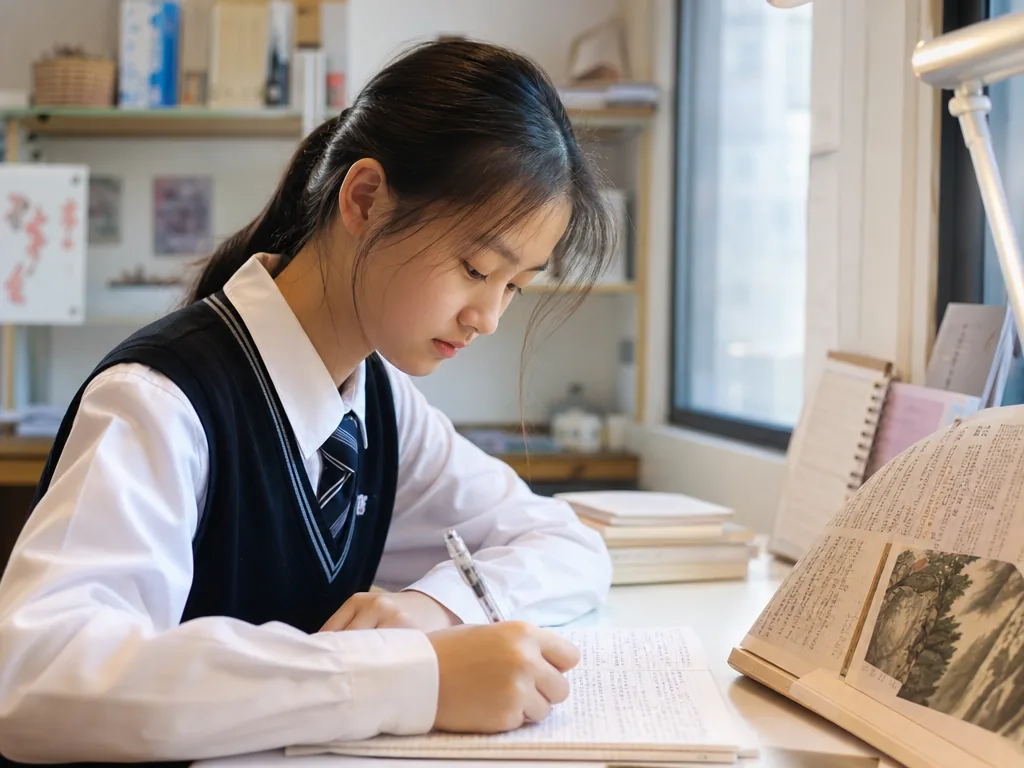
The AP Chinese Language & Culture exam is designed to comprehensively test students’ language ability, covering the four skills of listening, speaking, reading and writing. The exam consists of a multiple-choice section and a free-response section. The following is a detailed description of the exam structure:
| Section | Format |
|---|---|
| Multiple Choice | About 65 questions mainly testing listening comprehension, reading comprehension and grammar knowledge |
| Free Response | Four main question types testing speaking and writing: speaking, writing, listening comprehension and reading comprehension |
Scoring
The final score ranges from 1 to 5, with a score of 5 indicating that the student has reached university-level language ability. The results of the multiple-choice and free-response sections are combined to reflect the student’s overall language ability.
Benefits of Studying AP Chinese Language & Culture
Comprehensive improvement in language ability
Students improve their Chinese in listening, speaking, reading and writing, and learn to use Chinese fluently in a variety of situations.
Deep understanding of Chinese culture
Students gain an in-depth understanding of Chinese history, art, literature and modern society, and are able to understand the language from a cultural perspective.
A foundation for university study
AP Chinese Language & Culture provides a foundation for studying Chinese literature, cultural studies and linguistics, and is of great help for university study.
Greater international career competitiveness
Chinese is the most widely spoken language in the world, and mastering it can significantly improve students’ competitiveness in the international job market.
Summary
AP Chinese Language & Culture is a course that helps students improve their Chinese language ability and deepen their understanding of the cultures of China and other Chinese-speaking countries. Students reach a higher level in listening, speaking, reading and writing, while studying Chinese history, art and modern social issues. The course not only helps students improve their language ability, but also makes them more competitive on the international stage, paving the way for university study and career development.
Frequently Asked Questions (FAQ)
Q: Is AP Chinese Language & Culture difficult?
The course is suitable for students who already have a foundation in Chinese, but it places high demands on language ability, particularly in listening and speaking. Students should be able to communicate fluently at an upper-intermediate level and have a foundation in grammar and vocabulary.
Q: Which courses should I take first?
Students should have at least a lower-intermediate level of Chinese, ideally having completed a basic Chinese course and having an interest in language learning.
Q: What is the difference between AP Chinese Language & Culture and AP Chinese Literature?
AP Chinese Language & Culture focuses mainly on improving language skills and includes the study of cultural and social issues. AP Chinese Literature, by contrast, focuses on Chinese literary works, places higher demands on literary analysis, and involves in-depth study of classical literature.
Further Resources & Next Steps
- Official Resources — The College Board’s official AP Chinese Language and Culture course page (apstudents.collegeboard.org) offers the full course description, sample questions and past free-response prompts.
- Further Reading — The College Board’s AP Chinese Language and Culture Course and Exam Description (CED) sets out the skills and topics covered, while dedicated AP review guides provide practice tests and model answers.
- Parent Tips — Encourage daily exposure to spoken and written Chinese — films, podcasts, news and short articles — alongside structured practice, so listening and speaking skills build steadily throughout the year.
Note: The information above is for reference only. Please consult professional education institutions for details.
This article was initially drafted and organised with AI. Editor / Professor Chan Kwok-wai; Managing Editor / Kong Yee-leung
Act Now: Find a Tutor / Register as a Tutor
For parents & students: looking for a home or online tutor for this subject? Click the button below to post a free tuition case (subject, level and preferred time) — TutorZone will match you with suitable tutors:
For tutors: do you teach this subject? Click the button below to register for free and receive more suitable cases — you pay only when a match is made: