
 中文(繁體)
 中文(簡體)
 English



Xylophone: Complete Overview, History and Learning Guide
TUTORZONE SUBJECT GUIDE · PERCUSSION
The xylophone is an ancient percussion instrument in the keyboard percussion family, its bars usually made of wood or other natural materials that produce sound when struck. Warm, crisp and expressive, its tone appears across folk music, modern classical and popular styles alike.
Direct Answer:What is a xylophone?
The xylophone is an ancient keyboard percussion instrument with wooden or natural material bars, producing a warm, crisp tone used in folk, classic。
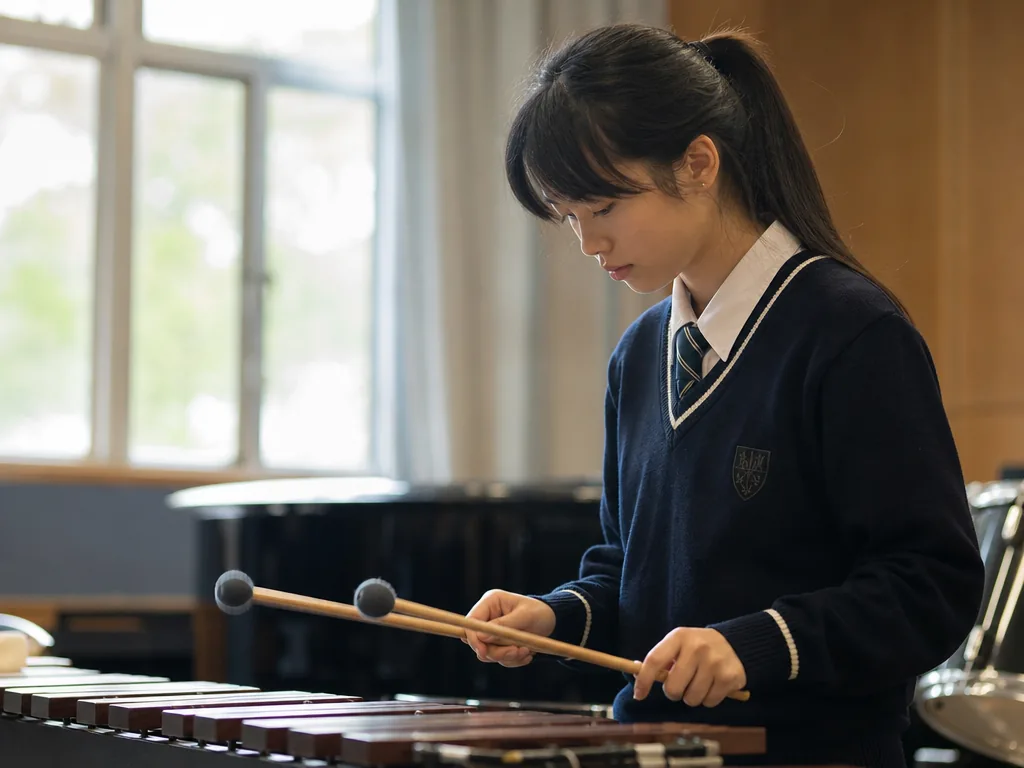
Origins of the Xylophone
The history of the xylophone can be traced back thousands of years; its earliest forms appeared in Africa, Asia and Central and South America. The ancestors of the xylophone were made of wooden blocks, bamboo or other natural materials and were struck or played in different ways.
- Ancient Africa: One of the earliest forms of the xylophone may have originated in Africa. In Africa the xylophone was used as an important instrument in various cultural ceremonies and tribal celebrations. African xylophones usually consist of a series of wooden slabs, typically made of wood, bamboo or other plants, placed on a frame. The size and shape of the bars determine the pitch.
- The xylophone in Asia: In Asia, especially Southeast and East Asia, early forms of the xylophone also appeared. For example, Thailand’s ranat, Indonesia’s gamelan and China’s wooden fish (muyu) all belong to this family of instruments. The bar design and pitch ranges of these instruments vary greatly and are usually accompanied by traditional music.
- The development of the xylophone in Europe: After the xylophone was introduced to Europe, it underwent continuous improvement, its range gradually expanded, and it became one of the important instruments of Western classical music. By the 17th century the xylophone had already begun to appear in European orchestras, and over time it gradually developed into the modern xylophone of today.
Development of the Xylophone
- The medieval and Renaissance periods: During this period the xylophone gradually entered the European music scene as a folk instrument. Its range was small and its tone usually simple, often used in folk dances or small musical works.
- The Baroque and Classical periods: With the development of musical styles, the xylophone was gradually integrated into the orchestra during the Baroque and Classical periods. Especially in the Baroque period, the xylophone was often used to reinforce melody or rhythm, and its sound quality and design began to be improved.
- Romantic and modern music: As music entered the Romantic period, the xylophone’s range and technique expanded further. From the late 19th to the early 20th century, the xylophone played an increasingly diverse role in classical music and became an important creative tool for some composers.
Notable Xylophone Players and Their Masterpieces
As an expressive and musically charming instrument, the xylophone has attracted many composers to write for and perform it. Below are some performers who have made important contributions to the xylophone and their works:
Béla Bartók
Masterpiece: Suite for Xylophone
Bartók was a 20th-century Hungarian composer and ethnomusicologist who made the xylophone an object of research and composition. His xylophone works are unique in style, incorporating many elements of Eastern European folk music. In the Suite for Xylophone, Bartók used a variety of musical techniques to demonstrate the xylophone’s diversity in melody, harmony and rhythm.
Igor Stravinsky
Masterpiece: The Rite of Spring
Although The Rite of Spring was not written specifically for the xylophone, Stravinsky used the xylophone and other percussion instruments in this work to create strong rhythm and dynamism. In this work the use of the xylophone emphasises changes in rhythm and tone, adding a primitive and intense emotion to the whole piece.
Scott Johnson
Masterpiece: Xylophone Concerto
Scott Johnson is a contemporary composer whose Xylophone Concerto demonstrates the potential of the xylophone as a solo instrument. The work places extremely high technical demands on the xylophonist and fully exploits the xylophone’s expressiveness and tonal diversity in modern music.
Maria Bartošová
Masterpiece: Numerous recordings of modern xylophone performance
Maria Bartošová is a modern xylophonist known for her superb technique and rich musical expressiveness. In her recordings and live performances, the xylophone is often used to perform works by modern composers, demonstrating the instrument’s diverse expression in concerts.
The Musical Value of the Xylophone
The musical value of the xylophone is mainly reflected in its tone and expressiveness. As a percussion instrument, the xylophone can provide rich tonal layers and emotional expression; whether as a solo instrument or in cooperation with an orchestra, the xylophone can emphasise the rhythmic and dynamic feel of the music.
- Expressiveness of tone and rhythm: The xylophone’s tone is clear, warm and bright, suitable for expressing rhythm, melody and harmony. In music it often plays the role of reinforcing rhythm and leading melody, and it can add a sense of lightness or emotional depth to a work.
- Applications in modern music: With the advancement of compositional technique, the xylophone’s role in modern music is no longer limited to simple rhythmic accompaniment; it has become a tool for many composers to express complex emotions, create sound effects and carry out musical experiments.
- Its role in education and performance: As a common tool in music education, the xylophone helps students understand the concepts of rhythm and pitch and encourages them to explore creativity and performance. In addition, the xylophone also frequently appears in modern concerts and percussion solos.
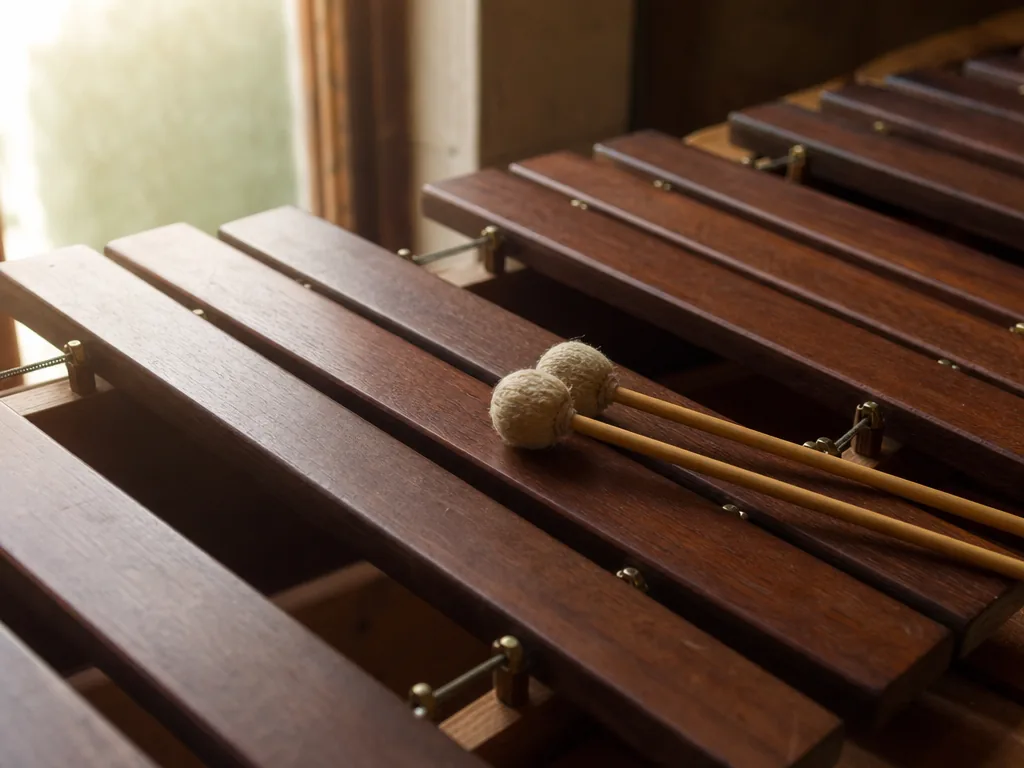
The xylophone’s tone is clear, warm and bright — suitable for expressing rhythm, melody and harmony.
Conclusion
The xylophone is an instrument with a long history and great expressiveness. From Africa and Asia to Europe, the evolution of the xylophone is closely linked to the development of musical styles. Its tone is warm and crisp, adding rhythm and layers to music. Whether in folk music, classical music or modern music, the xylophone, with its distinctive tone and technique, has brought limitless possibilities to music-making.
Frequently Asked Questions (FAQ)
Q: What is the difference between a xylophone and a marimba?
Both are keyboard percussion instruments with wooden bars, but they differ in size, range and tone. The xylophone is smaller and brighter with a higher, shorter-sounding pitch, while the marimba is larger, covers a lower range and produces a warmer, more resonant tone. The two instruments are also struck with different types of mallets.
Q: At what age can a child start learning the xylophone?
Children can begin exploring the xylophone from around age three or four with simple songs and rhythm games, as its layout is intuitive and physically gentle. Formal lessons and more advanced repertoire usually suit primary-school-aged children, once hand–eye coordination and reading skills have developed.
Q: Is the xylophone easy for beginners?
The xylophone is often considered beginner-friendly because the bars are laid out like a piano keyboard, so notes and simple melodies can be picked up quickly. Developing clean technique, good mallet control and fast passagework still takes regular practice, but early progress tends to be rewarding.
Q: Does the xylophone need tuning?
Xylophone bars are cut and shaped to fixed pitches, so the instrument does not require tuning before each use the way a string or drum instrument might. Bars can be replaced if damaged, and the instrument should be stored away from extreme heat and humidity to protect the wood and keep its sound stable.
Further Resources & Next Steps
- Official Resources——The Percussive Arts Society (PAS), an international professional body for percussion education and performance, offers articles, teaching resources and events for percussionists at every level.
- Further Reading——Percussion Instruments and Their History by James Blades is a classic reference tracing the origins and development of the xylophone and its percussion family.
- Parent Tips——Let children start with a small diatonic xylophone or glockenspiel and short, playful rhythm games; short daily practice builds coordination and keeps the instrument fun.
Note: The information above is for reference only. Please consult professional education institutions for details.
This article was initially drafted and organised with AI. Editor / Professor Chan Kwok-wai; Managing Editor / Kong Yee-leung
Act Now: Find a Tutor / Register as a Tutor
For parents & students: looking for a home or online tutor for this subject? Click the button below to post a free tuition case (subject, level and preferred time) — TutorZone will match you with suitable tutors:
For tutors: do you teach this subject? Click the button below to register for free and receive more suitable cases — you pay only when a match is made: