
 中文(繁體)
 中文(簡體)
 English



Clarinet: Complete Overview, History and Learning Guide
TUTORZONE SUBJECT GUIDE · WIND INSTRUMENTS
The clarinet is one of the most expressive members of the woodwind family, prized for its wide range, warm tone and versatility across classical, modern and popular music. This guide traces its history, explains its structure and playing technique, profiles the players and composers who shaped it, and outlines what a beginner needs to know to start learning.
Direct Answer:What does the clarinet guide include?
It covers the clarinet’s history, structure, playing technique, and profiles of notable players and composers across classical, modern, and popular。
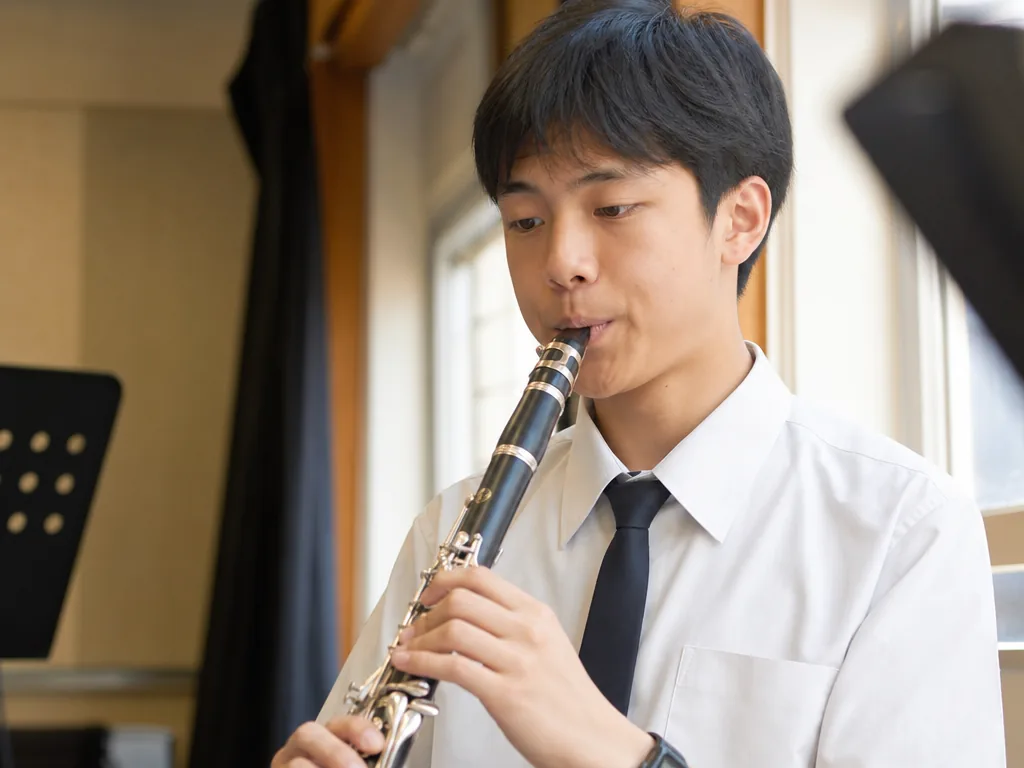
Origins of the Clarinet
The origins of the clarinet can be traced back several centuries, and it has undergone many evolutions and developments before finally forming the modern clarinet we know today.
Early Origins
- The predecessor of the clarinet was an instrument known as the “shawm”. These instruments existed as early as the Middle Ages and are closely related to the oboe. The shawm’s structure and playing method are similar to the modern clarinet, but it generally has a louder volume and a rougher tone.
- Ancient Egypt and the Middle East: The prototype of the clarinet also appears among the wind instruments of ancient Egypt and the Middle East. For example, the Arab region has instruments called the “nay” and the “mizmar”, whose structure is similar to the clarinet and which use a simple wooden tube and a single reed.
European Development in the 16th Century
- The clarinet began to develop in Europe in the 16th century, when woodwind instruments were generally based on a simple wooden tube and, like the oboe, produced sound by blowing air against a vibrating reed. The clarinet gradually became distinct, however, particularly through improvements in tone and range.
- In the 17th century the basic design of the clarinet was improved, and it began to be widely used in European courts and orchestras.
Innovation in the 18th Century
- The true modern form of the clarinet appeared at the end of the 18th century, when French instrument makers François-Joseph Férard and Izaac Berbiguier, among others, made significant improvements. They adjusted the tone holes, key system and bore, giving the clarinet a wider range and greater playing flexibility.
Modernisation in the 19th Century
- Hyacinthe Klosé and A. W. Hopkins were key figures in the 19th-century development of the clarinet. Klosé in particular made revolutionary improvements to the clarinet and composed a large number of studies that became important teaching material for clarinet playing.
- In addition, Theobald Boehm made major improvements to the clarinet’s sound-producing principle and key system, making the modern clarinet technically more advanced.
Structure and Playing Techniques of the Clarinet
The clarinet has a fairly complex structure, usually made of wood (such as grenadilla), and comprises the reed, mouthpiece, body and metal keys. Its pitch is changed by covering tone holes or pressing keys. The player’s blowing technique and embouchure also affect the tone and pitch.
Reed
The clarinet uses a single reed, which distinguishes it from the double-reed oboe. The player attaches the reed to the mouthpiece and blows to make the reed vibrate and produce a note.
Range
The clarinet has a very wide range, and it can sound clear from its lowest register to its highest. This allows the clarinet to express emotion freely across different musical styles, handling both gentle melodies and strong rhythms with ease.
Playing Technique
Clarinet playing technique is very refined, and the player must precisely control breathing, embouchure and finger agility. Special clarinet techniques include trills, legato, staccato and rapid fingering.
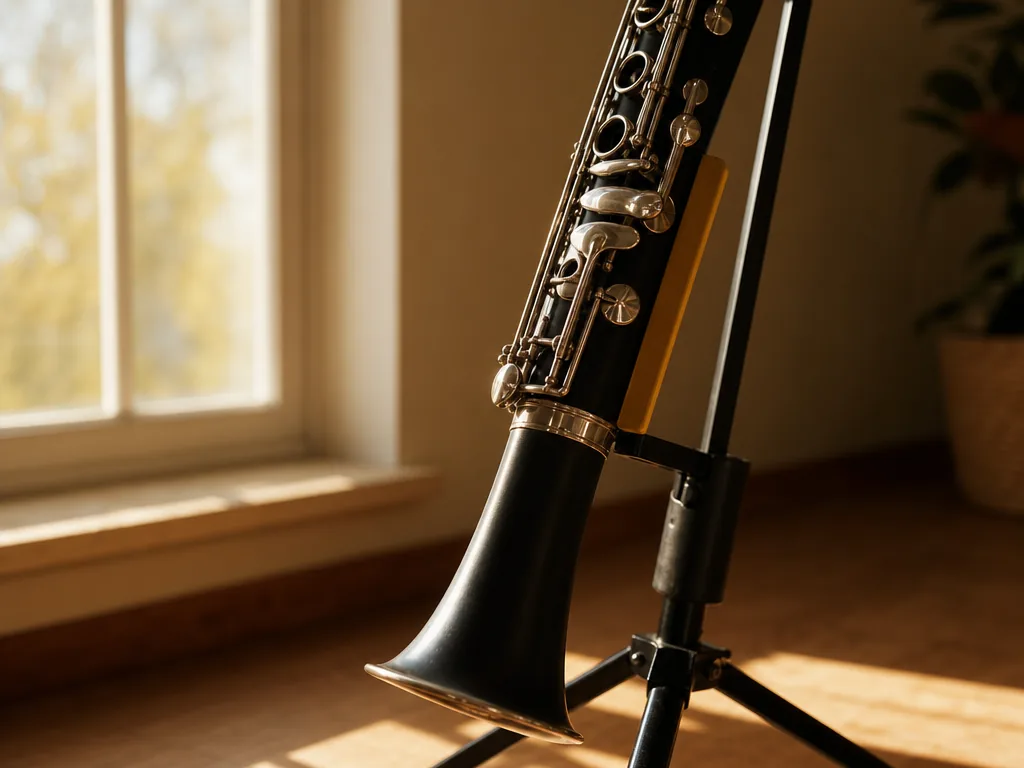
Notable Clarinet Players and Their Masterpieces
As a highly expressive instrument, the clarinet has attracted many talented composers and performers, and it holds an extremely important place in both classical and modern music. Below are some celebrated clarinettists and their masterpieces:
- Carl Heinrich Linde — His Clarinet Concerto is one of Linde’s best-known works and is regarded as one of the most representative concertos in the clarinet repertoire, showcasing the clarinet’s outstanding range and technique.
- Carmen Julia — Julia is a celebrated modern clarinettist whose work is highly regarded in the music world. She combines the clarinet with modern and traditional music, creating many acclaimed clarinet works.
- Stanford Lo — The Concerto for Clarinet and Orchestra is one of Lo’s classic works, blending traditional and modern styles to demonstrate the clarinet’s versatility.
- Allison Bart — The Clarinet Fantasia is a technically demanding work that fully showcases the clarinet’s technique and expressiveness.
- Gabriel Fauré — The Sonata for Clarinet and Piano is a classic work by Fauré. Widely regarded as a gem of the clarinet solo repertoire, it expresses the emotional depth of the Romantic style.
- Camille Saint-Saëns — The Clarinet Concerto by Saint-Saëns is extremely demanding of the clarinetist’s technique and is one of the classics of the clarinet concerto repertoire, frequently performed in concerts around the world.
The Value of the Clarinet in Music
The clarinet has very high musical value; whether as a solo or concerto instrument, its expressiveness is outstanding. Its tone can be gentle and delicate or impassioned and powerful, allowing it to play an important role in music of different styles.
From gentle and delicate to impassioned and powerful, the clarinet’s tone lets it lead in music of every style.
- Solo performance — The clarinet’s tone is rich and varied, suited to gentle melodies as well as strong rhythmic passages. As a solo instrument, the clarinet can display great technical skill and emotional depth.
- Its role in the orchestra — In the orchestra, the clarinet usually carries important melodic parts, and its tone adds layers to the whole ensemble. Especially in Romantic and Impressionist music, the clarinet’s colour and expressiveness are very prominent.
- Across musical styles — The clarinet finds its place in every musical style. From classical to modern music, whether in concertos, chamber music or popular music, the clarinet can express its characteristic tone and technique.
Conclusion
The clarinet is a woodwind instrument with a rich tone and strong expressive power. It has a long history and, through many innovations and improvements, has become an important member of the modern orchestra and chamber music. Outstanding clarinettists and composers have created a large number of classic works that not only demonstrate the technical limits of the clarinet but also express the instrument’s emotional depth and musical value. Whether in solo or concerto, the clarinet holds an irreplaceable position.
Frequently Asked Questions (FAQ)
Q: What is a good age for a child to start learning the clarinet?
Most teachers recommend starting around age 8–10, once a child’s adult front teeth have come in and their hands are large enough to cover the tone holes comfortably. Younger beginners can build musical foundations on the recorder or piano first.
Q: What is the difference between the clarinet and the oboe?
Both are woodwinds, but the clarinet uses a single reed while the oboe uses a double reed. The clarinet is a cylindrical-bore instrument with a wide range and a warm, flexible tone, whereas the oboe has a conical bore and a brighter, more penetrating sound.
Q: How much practice does a beginner need each week?
Short, regular sessions beat long, irregular ones. Around 20–30 minutes a day, four to five times a week, is enough for steady progress in the first year, and lessons with a qualified teacher help prevent bad embouchure habits from forming early.
Q: What grades and exams are available for the clarinet in Hong Kong?
The ABRSM and Trinity College London both offer graded clarinet exams (Grades 1–8) that are widely recognised in Hong Kong. Many schools and teachers use these syllabuses to structure learning, build repertoire and measure progress.
Further Resources & Next Steps
- Official Resources——The Associated Board of the Royal Schools of Music (ABRSM) publishes the clarinet syllabus, graded exam materials and a wealth of free performance resources for learners at every level.
- Further Reading——Hyacinthe Klosé’s celebrated method books, mentioned in the history above, remain standard teaching material for clarinet technique and are widely available in English editions.
- Parent Tips——Encourage short daily practice, keep the reed in good condition (reeds are consumable and need replacing), and let your child hear professional clarinet recordings so they develop a clear idea of the tone they are working towards.
Note: The information above is for reference only. Please consult professional education institutions for details.
This article was initially drafted and organised with AI. Editor / Professor Chan Kwok-wai; Managing Editor / Kong Yee-leung
Act Now: Find a Tutor / Register as a Tutor
For parents & students: looking for a home or online tutor for this subject? Click the button below to post a free tuition case (subject, level and preferred time) — TutorZone will match you with suitable tutors:
For tutors: do you teach this subject? Click the button below to register for free and receive more suitable cases — you pay only when a match is made:
Practice papers for this subject (original TutorZone papers)
These original papers follow the 2027 assessment framework and include model answers, a marking scheme, an answer frame and timing guidance. Read them free, or print them for timed practice:
More subjects: Mock Exam Practice Area.
Same series (original TutorZone guides with practice material):ABRSM Violin Grade Exams — complete guide (2024 syllabus)。