 中文(繁體)
 中文(简体)
 English



Chinese Painting
TUTORZONE SUBJECT GUIDE · HOBBIES
Chinese painting is a traditional art form with a history spanning more than two thousand years that has profoundly influenced art across East Asia and the world. Unlike Western painting, which strives for realistic depiction, Chinese painting conveys artistic conception, emotion, and connotation through the expressive power of brush and ink.
Direct Answer:What is Chinese painting?
Chinese painting is a 2,000-year-old art form conveying emotion and artistic conception, unlike Western realistic depiction.
Share this paper / article:
WhatsApp
Facebook
Telegram
Email
WeChat / Xiaohongshu: tap “Copy link” and paste.
The Basic Characteristics of Chinese Painting
Developed from China’s unique culture, philosophy, and artistic theories, Chinese painting possesses distinctive forms of expression, techniques, and aesthetics. Four characteristics define the art form:
1. Brush and Ink Performance
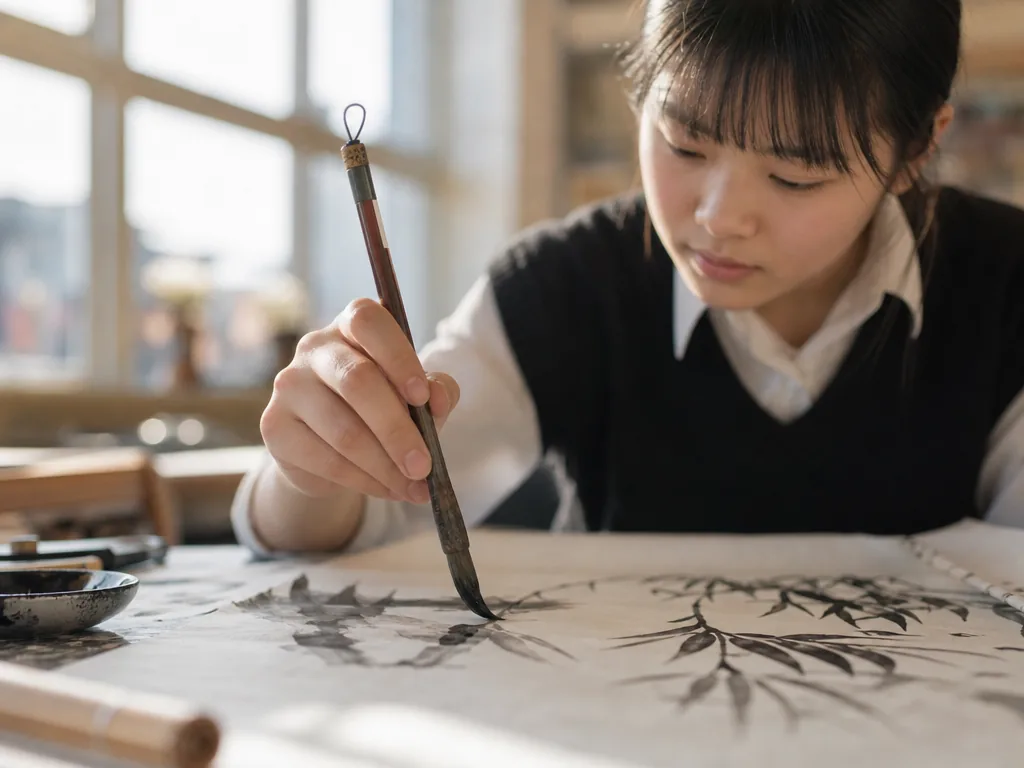
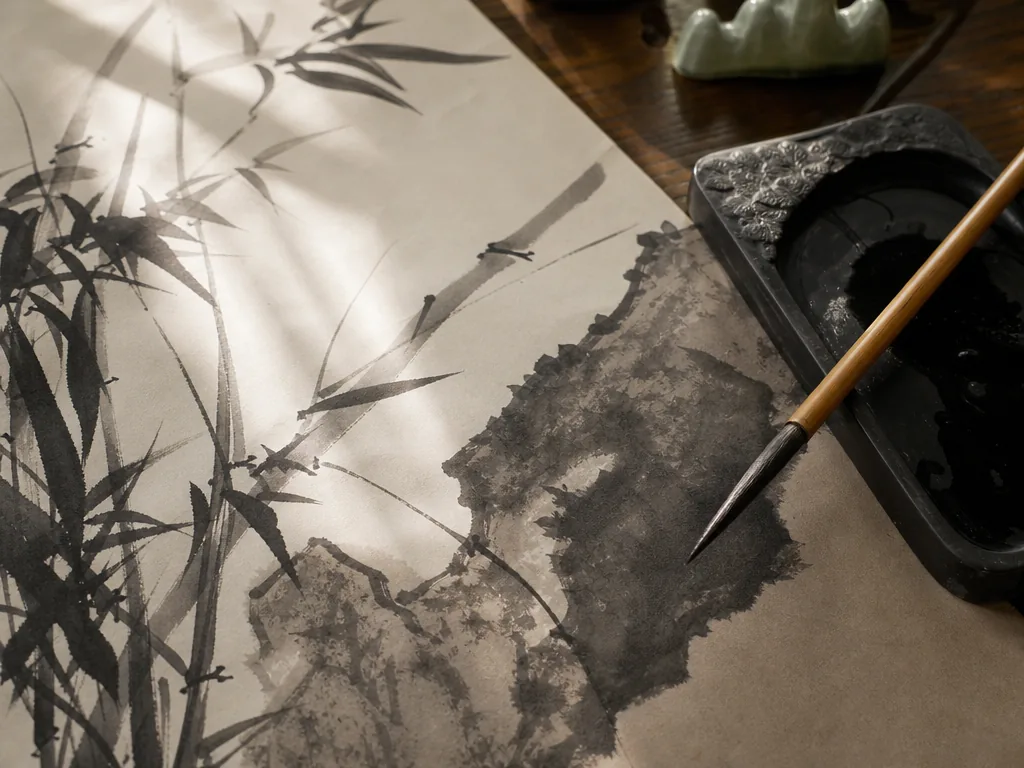
The core technique of Chinese painting lies in “brushwork and ink,” specifically the application of brushstrokes and ink color. This technique emphasizes brush movement and the varying shades of ink, paying attention to the force, angle, and rhythm of each stroke.
Using the brush as the main tool, different brushstrokes create a variety of delicate or rough effects, showing the dynamics, vitality, and depth of the picture.
2. Combination of Freehand and Realism
There are two styles of Chinese painting: meticulous painting and freehand painting.
- Fine brushwork painting — emphasizes delicate depiction, focuses on the description of details, and presents the true appearance of objects.
- Freehand painting — pursues the free expression of brush and ink and the expression of emotion. It does not focus on the resemblance of form, but emphasizes the transmission of artistic conception.
3. Focus on Artistic Conception
Chinese painting strives to express “artistic conception” — the inner spirit and philosophy that a painting conveys. Through observation, understanding, and expression of nature, the artist combines the depicted scene with a personal state of mind and emotion, allowing the viewer to sense the philosophical and spiritual dimensions behind the painting.
4. Use of Color
Although Chinese painting is primarily based on ink, color has gradually played a significant role as the style has evolved. The colors used are mostly natural pigments, and the use of color is eclectic, focusing on the overall atmosphere and emotion of the painting.
The Main Types of Chinese Painting
Landscape Painting
Landscape painting is one of the most representative genres of Chinese painting, primarily depicting natural scenes such as mountains, rivers, lakes, and trees. It reflects the Chinese people’s reverence for and understanding of nature, and emphasizes the philosophical concept of “harmony between man and nature.”
Landscape artists often create their works from their own perceptions of nature rather than simply sketching from life. Common styles include “high mountains and rivers” and “small landscapes.”
Flower and Bird Painting
Flower and bird paintings primarily depict various flowers and birds and their relationship to the natural environment. These paintings are often rich in symbolic meaning, and the choice of subject often reflects the artist’s emotions or expectations.
For example, the peony symbolizes wealth, the chrysanthemum symbolizes purity, and cranes and carp are often used to express longevity and auspiciousness.
Figure Painting
Figure painting is an important genre in Chinese painting. It depicts portraits, stories, and scenes of people. It focuses not only on the detailed depiction of appearance but also on a person’s spirit, temperament, and emotions.
This type of work is often used to describe historical figures, ancient literati, and characters in myths and legends, emphasizing the expression of each character’s personality and spiritual temperament.
Flower and Animal Painting
Flower and animal paintings often depict the characteristics of specific plants and animals, incorporating the artist’s emotions and life experiences. This type of work is particularly common in meticulous painting, where the artist carefully depicts every detail to create a vivid image.
The Artistic Theory of Chinese Painting
Vivid and Lively (Qiyun Shengdong)
“Qiyun Shengdong” is a key concept in Chinese painting theory, referring to the vitality and rhythm inherent in a painting. This qiyun is not only the expression of brush and ink but also represents the spiritual connotation and vitality of nature that the artist wants to convey.
Artistic Conception
Artistic conception is one of the most important pursuits in Chinese painting. The art form does not merely depict external forms; it conveys the artist’s inner emotions, philosophical thoughts, and worldview. Artists often employ concise brushstrokes and the use of white space to create a poetic atmosphere, allowing viewers to experience a silent poetry within the painting.
Brush and Ink Techniques
The techniques of Chinese painting are reflected not only in the use of the brush but also in the variation of brushstrokes, the use of ink color, and the arrangement of composition. In the creative process, painters often use techniques such as “writing,” “dotting,” “picking,” and “hooking” to express the form and charm of objects.
The Development History of Chinese Painting
The development of Chinese painting can be divided into several stages, from ancient primitive paintings to modern artistic expressions, and each period has its own unique characteristics and style.
- Pre-Qin Period — The earliest Chinese paintings appeared in the Pre-Qin period. Most paintings of the time were decorations on pottery and utensils, mainly depicting animals, plants, totems, and mythological stories.
- Han Dynasty — An important period in the development of Chinese painting. Murals and silk paintings appeared, painters began to focus on figures, animals, and natural scenery, and a relatively mature freehand style formed.
- Tang and Song Dynasties — The Tang Dynasty was the golden age of Chinese painting, with painters focusing on detail and vivid expression. Song Dynasty painters emphasized the refinement of brushwork and introduced the concept of “artistic conception.”
- Ming and Qing Dynasties — Painters’ personalities and styles were diverse, ranging from realism to freehand brushwork. Landscape, figure, and flower-and-bird paintings all reached extremely high artistic standards.
- Modern and Contemporary — Modern Chinese painting has integrated Western painting techniques on top of traditional ones and developed new forms of expression. Many painters have begun to seek modern presentations, innovating and experimenting.
The Cultural Connotations of Chinese Painting
Chinese painting is not only an art form; it also carries China’s rich cultural connotations. Elements such as landscapes, flowers and birds, and figures often hold symbolic meanings, representing philosophical concepts within traditional Chinese culture — the harmony of nature in Taoist thought, the ethics of Confucianism, and the transcendence of emptiness in Buddhist thought.
Chinese painting emphasizes the harmonious unity between the artist’s inner world and the external world, showcasing a unique understanding of nature, the philosophy of life, and the laws of the universe.
In general, Chinese painting is an art form with a profound cultural heritage. It not only displays the beauty of art through unique techniques and expressions but also conveys rich philosophy and emotion through every painting.
Frequently Asked Questions (FAQ)
Q: What is the difference between Chinese painting and Western painting?
Western painting typically aims for realistic depiction, reproducing the visible world. Chinese painting instead emphasizes artistic conception, emotion, and connotation, using brush and ink to convey the inner spirit of a scene rather than its exact likeness.
Q: What are the two main styles of Chinese painting?
The two main styles are fine brushwork (gongbi) painting, which emphasizes delicate, detailed depiction, and freehand (xieyi) painting, which pursues the free expression of brush and ink and conveys artistic conception over resemblance of form.
Q: What does “artistic conception” mean in Chinese painting?
Artistic conception refers to the inner spirit and philosophy a painting conveys. Through observation and expression of nature, the artist merges the scene with personal emotion and state of mind so the viewer senses the philosophical and spiritual dimensions behind the work.
Q: Is Chinese painting only done in black ink?
No. Although Chinese painting is primarily based on ink, color has played a growing role as the style has evolved, using mostly natural pigments to focus on the overall atmosphere and emotion of a painting.
Further Resources & Next Steps
- Official Resources — The Hong Kong Museum of Art and its Xubaizhai Collection offer an excellent introduction to classical Chinese painting.
- Further Reading — Explore introductory books on Chinese art history covering the Tang, Song, Ming, and Qing dynasties for a deeper understanding of brush-and-ink traditions.
- Parent Tips — Encourage children to try simple brush-and-ink exercises at home to experience the rhythm and flow of the medium first-hand.
Note: The information above is for reference only. Please consult professional education institutions for details.
This article was initially drafted and organised with AI. Editor / Professor Chan Kwok-wai; Managing Editor / Kong Yee-leung
Act Now: Find a Tutor / Register as a Tutor
For parents & students: looking for a home or online tutor for this subject? Click the button below to post a free tuition case (subject, level and preferred time) — TutorZone will match you with suitable tutors:
For tutors: do you teach this subject? Click the button below to register for free and receive more suitable cases — you pay only when a match is made: