
 中文(繁體)
 中文(简体)
 English



What is AP Computer Science Principles (AP CSP)?
TUTORZONE SUBJECT GUIDE · AP
AP Computer Science Principles (AP CSP) is one of the most popular technology courses in the AP program, introducing students to the foundations of computer science — from cybersecurity and data to algorithms and web development — with no prior programming experience required.
Direct Answer:What is AP Computer Science Principles (AP CSP)?
An introductory AP computer science course covering cybersecurity, data, algorithms, and web development, with no programming experience required.

Share this paper / article:
WhatsApp
Facebook
Telegram
Email
WeChat / Xiaohongshu: tap “Copy link” and paste.
What Is AP Computer Science Principles?
AP Computer Science Principles (AP CSP) is one of the most popular technology courses in the Advanced Placement (AP) program offered in the United States. Unlike traditional programming-focused courses, AP CSP aims to introduce students to the foundational concepts of computer science, technology applications, and innovative design.
This comprehensive course covers a broad range of topics, including cybersecurity, data processing, algorithm concepts, and web development. The main goal is to develop students’ computational thinking and creativity, making it ideal for those interested in technology but without prior programming experience.
The Seven Big Ideas
AP CSP is organized around seven key themes (Big Ideas):
- Creative Development — Understand how computing tools and technologies can foster creativity and innovation; learn to design, improve, and share computing projects.
- Data — Explore data collection, representation, analysis, and interpretation; understand how data drives innovation and impacts society.
- Algorithms and Programming — Gain basic programming skills and logic using languages such as Python, JavaScript, or block-based coding; learn to write simple algorithms, modular design, and problem-solving strategies.
- Computing Systems and Networks — Understand the fundamentals of how computers operate (input, processing, storage, output); learn how the internet works, including IP addresses, DNS, data transmission, and security issues.
- Impact of Computing — Discuss how technology affects privacy, law, ethics, and culture; understand the positive and negative effects of technological innovation.
- Cybersecurity — Learn basic encryption, data protection, and threats in network security; study how to design secure information systems.
- Big Idea Connections — Integrate the above themes in project-based learning and real-world problem solving.
AP CSP vs. AP Computer Science A
| Aspect | AP Computer Science Principles (AP CSP) | AP Computer Science A (AP CSA) |
|---|---|---|
| Focus | Broad introduction to computing and its applications | In-depth Java programming and data structures |
| Programming Requirement | Basic programming (block or text-based languages) | Proficient in Java programming and analysis |
| Suitable for | Students interested in tech innovation and broad concepts | Students aiming for software development or CS majors |
| Difficulty Level | Beginner-friendly | More technical, requires math and logic foundation |
In summary, AP CSP emphasizes breadth and real-world application, while AP CSA focuses on programming depth and technical skills.
Exam Structure & Scoring
AP CSP is unique because it combines a written exam with a project-based assessment:
Create Performance Task (30%)
Students design and develop a programming project, including coding, creating a video demonstration, and writing a technical explanation. It accounts for 30% of the final grade.
End-of-Course Exam (70%)
Around 70 multiple-choice questions covering algorithms, data, networks, security, and societal impact. It accounts for 70% of the final grade, lasts 2 hours, and is scored on a 5-point scale (5 is highest).
Benefits of Learning AP CSP
- Prepare for Any Future Field — Computing skills are essential across medicine, law, business, arts, and beyond.
- Low Barrier, High Reward — No prior programming experience needed, making tech accessible to all students.
- Encourages Creativity and Interdisciplinary Thinking — Focuses on solving real-world problems through innovation.
- Boosts College Admission Prospects — Demonstrates tech literacy, problem-solving, and creative thinking to admissions officers.
AP Computer Science Principles is a modern, comprehensive course that combines tech literacy, data analysis, cybersecurity, and creative problem-solving. It prepares students not only for future studies in technology but also equips them with essential skills applicable across all professions.
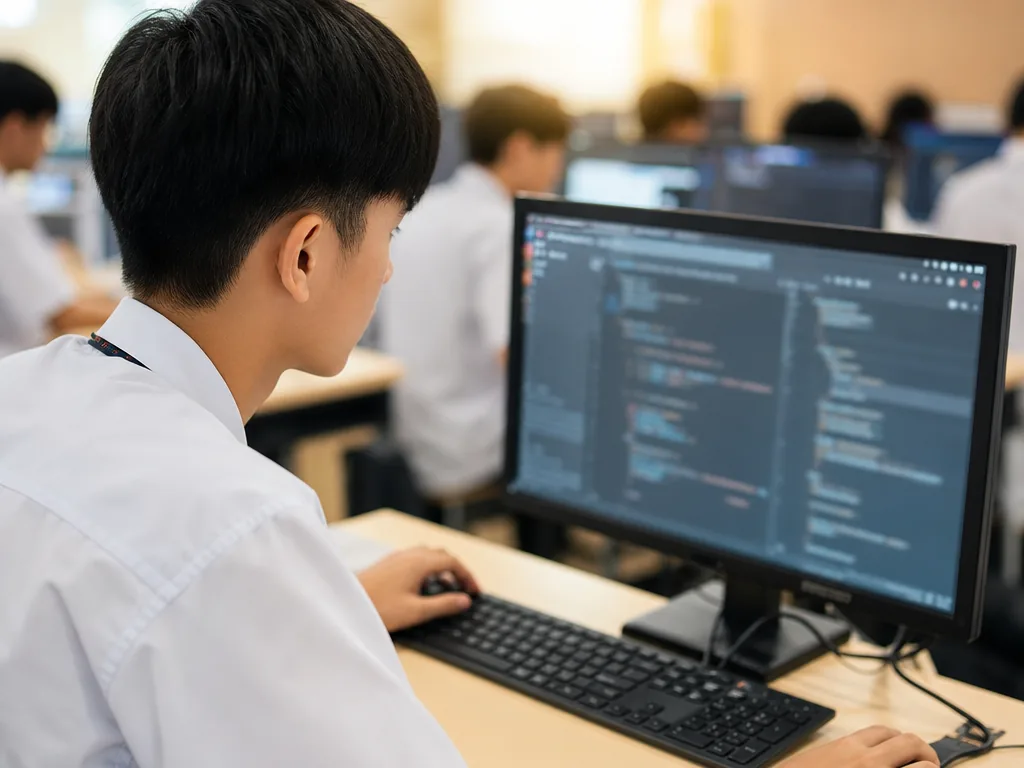
Whether or not you pursue a tech career, mastering AP CSP knowledge is a vital step toward thriving in today’s digital world.
Frequently Asked Questions (FAQ)
Q: Is AP Computer Science Principles difficult?
AP CSP is considered one of the most approachable AP courses. With consistent study, students of any background can succeed.
Q: Do I need programming experience before taking AP CSP?
No! The course starts from the basics, and many schools use visual programming tools like Scratch or App Lab for beginners.
Q: Can I take AP Computer Science A after AP CSP?
Absolutely! AP CSP lays a strong foundation in computational thinking, which makes learning Java programming in AP CSA much easier.
Further Resources & Next Steps
- Official Resources — Visit the College Board AP Computer Science Principles page for the full course description, sample questions, and the Create Performance Task guidelines.
- Further Reading — Explore the AP Computer Science A course guide if you plan to continue into in-depth Java programming and data structures.
- Parent Tips — Encourage your child to try beginner-friendly coding platforms such as Scratch or App Lab before committing to AP CSP.
Note: The information above is for reference only. Please consult professional education institutions for details.
This article was initially drafted and organised with AI. Editor / Professor Chan Kwok-wai; Managing Editor / Kong Yee-leung
Act Now: Find a Tutor / Register as a Tutor
For parents & students: looking for a home or online tutor for this subject? Click the button below to post a free tuition case (subject, level and preferred time) — TutorZone will match you with suitable tutors:
For tutors: do you teach this subject? Click the button below to register for free and receive more suitable cases — you pay only when a match is made: