
 中文(繁體)
 中文(简体)
 English



Counterpoint
TUTORZONE SUBJECT GUIDE · MUSIC THEORY
Counterpoint is the art of weaving two or more independent melodic lines into a single harmonious whole — the backbone of Western classical composition, from Bach to the present day. This guide explains what counterpoint is, the principles that govern it, and the techniques every music student should know.
Direct Answer:What is counterpoint?
Counterpoint is the art of weaving two or more independent melodic lines into a single harmonious whole.

Share this paper / article:
WhatsApp
Facebook
Telegram
Email
WeChat / Xiaohongshu: tap “Copy link” and paste.
What Is Counterpoint?
Counterpoint is a crucial technique in musical composition. It involves playing two or more melodic lines simultaneously, harmonizing and contrasting them in pitch, rhythm, and meter. The core of counterpoint is the harmonious relationship between melodies, which allows each line to stand independently while interweaving within the overall structure, creating an organic musical effect.
The development of counterpoint is primarily reflected in the musical theory of Western classical music, particularly during the Baroque period (as exemplified by the works of Bach). Counterpoint has a profound influence on musical expression, harmony, and structure.
Simply put, counterpoint is the technique of juxtaposing two or more melodic lines and coordinating them in harmony, contrast, and movement. These melodies must maintain their independence while also supporting each other in harmonic structure. Counterpoint is more than just a combination of harmonics; it is a method of melodic development.
Each melodic line stands independently while interweaving within the overall structure, creating an organic musical effect.
Main Counterpoint Forms
- Independent Melody — each melody has its own pitch, rhythm and emotion, independent of each other, but they need to be coordinated and usually have a common harmonic background.
- Harmonic Structure — the harmonic structure between melodic lines needs to maintain interval harmony and avoid dissonant intervals unless used intentionally to create tension and resolution.
Basic Principles of Counterpoint
The basic principles of counterpoint include melodic movement, interval selection, and harmonic coordination. Here are some key elements:
Selection of Intervals
In counterpoint, the choice of intervals is crucial. The intervals between melodic lines must be carefully arranged to ensure harmonic harmony.
- Consonant intervals — such as the perfect fifth, perfect octave, major third and minor third. These intervals give a sense of harmony and are the most common interval choices in counterpoint.
- Dissonant intervals — such as the second and seventh. These intervals create tension and are often used where they need to be resolved, eventually resolving into consonant intervals.
- Passing interval — passing intervals (such as the major second or minor sixth) are often used as transitional intervals to create conflict.
Melodic Movement
The movement of the melodic line has a profound influence on counterpoint. Melodies can move in different ways:
- Same Movement — both melodies move in the same direction (ascending or descending), which maintains melodic consistency.
- Counter-motion — two melodies move in opposite directions (for example, one melody ascending while the other descends), which can add contrast and dynamic effect.
- Parallel motion — the two melodies maintain the same interval distance, and this kind of movement often gives a sense of stability.
- Opposing motion — the melody moves in opposing intervals, creating complex and interesting structures.
Melodic Contrast
Counterpoint emphasizes contrast between melodies. Two melodies should not be identical, as this would be monotonous. Instead, melodies should differ in rhythm, pitch, and intervals while remaining harmonious. This makes the music more moving and rich in depth.
Common Counterpoint Techniques
In the practice of counterpoint, certain techniques and forms are widely used, especially by composers of the Baroque period (such as Bach).
Two-Part Counterpoint
The most basic form of counterpoint is two-part counterpoint, where two melodic lines are played simultaneously at different pitches, coordinated in terms of intervals and rhythm. The basic principles of two-part counterpoint are that each melody should be able to stand on its own, and that they should be harmonically sound.
Three-Part Counterpoint
Three-part counterpoint builds on two-part counterpoint by adding a third melodic line. This more complex counterpoint requires the composer to consider harmonic structure and melodic development. It enriches the music’s layers and enhances its expressiveness.
Inversion
Reverse counterpoint involves reversing the direction of a melodic line’s intervals. This is often a form of counterpoint used to enhance musical contrast and variation. When one melody ascends, the other descends, creating a strong counterpoint effect.
Retrograde
Retrograde counterpoint involves reversing the order of the notes in a melodic line, causing the melody to develop in the opposite direction. For example, Bach frequently used retrograde counterpoint in his compositions to create musical contrast and depth. Retrograde counterpoint can introduce a new sense of structure and is often used as a return or ending to a melody.
Variation Counterpoint
Shifting counterpoint involves altering an original melody to create a different take on it. This technique maintains the basic structure of the melody while creating new musical passages through adjustments to intervals, rhythm, and other factors. This technique is often used in the development of musical works.
The History of Counterpoint
The origins of counterpoint can be traced back to medieval church music, particularly church choral music, where melodies were often repeated or sung in different ways by different voices. With the development of music, particularly during the Baroque period, counterpoint gained widespread application and assumed a prominent place in compositional techniques. Johann Sebastian Bach is considered one of the masters of counterpoint, and many of his works (such as the Goldberg Variations and the Musical Offering) demonstrate a high level of counterpoint technique.
Bach’s use of counterpoint emphasized the independence of melody and the harmony of harmony, giving his works a rich sense of depth and profound expressiveness. The technique of counterpoint remains a core subject of research and study for composers and musicologists.
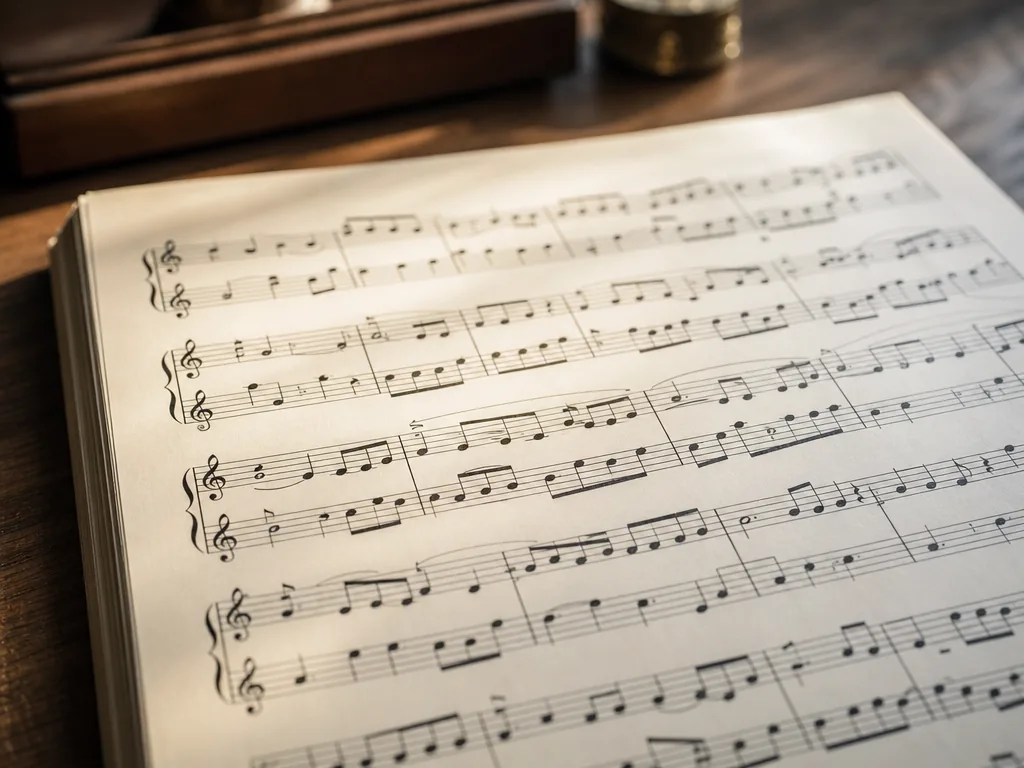
Counterpoint in Modern Music
Although counterpoint originated in the Classical period, it continues to be widely used in modern music. Modern composers often employ counterpoint in their works to create complex structures and contrasts, and they employ various counterpoint techniques to enrich the musical expression. For example, 20th-century composers such as Igor Stravinsky and Béla Bartók employed modern counterpoint techniques in their music.
Conclusion
Counterpoint is a crucial technique in musical composition, creating rich, multi-layered musical structures by combining and harmonizing melodic lines simultaneously. A fundamental element of classical music, counterpoint continues to play a vital role in modern music. Learning counterpoint not only improves compositional skills but also deepens one’s understanding of musical structure and emotional expression.
Frequently Asked Questions (FAQ)
Q: What is the difference between counterpoint and harmony?
Harmony concerns the vertical stacking of notes into chords, while counterpoint focuses on the horizontal movement of independent melodic lines and how they interact. Counterpoint draws on harmonic principles but treats every line as its own melody.
Q: Why is Bach so closely associated with counterpoint?
Bach refined and elevated contrapuntal forms such as the fugue and the canon, and works like the Goldberg Variations and the Musical Offering display a level of contrapuntal craft that composers still study today.
Q: Do I need to learn counterpoint to compose modern music?
It is not strictly required, but counterpoint strengthens melodic independence and voice-leading, skills that help in almost any genre. Many modern composers and film scorers continue to draw on contrapuntal techniques.
Q: What is the difference between a canon and a fugue?
A canon is a strict form of imitation in which one voice repeats the exact melody of another after a time delay, while a fugue is more elaborate, developing a subject through entries, episodes and counter-subjects.
Further Resources & Next Steps
- Official Resources — the Associated Board of the Royal Schools of Music (ABRSM) music theory syllabus covers counterpoint and part-writing across its graded levels.
- Further Reading — Johann Joseph Fux, “Gradus ad Parnassum” (The Study of Counterpoint), the classic species-counterpoint textbook, and J. S. Bach’s “Two-Part Inventions” for hands-on study.
- Parent Tips — listen to Bach’s Inventions and Fugues together, and encourage learners to play or sing one line while a teacher plays the other, to internalise independent melodic motion.
Note: The information above is for reference only. Please consult professional education institutions for details.
This article was initially drafted and organised with AI. Editor / Professor Chan Kwok-wai; Managing Editor / Kong Yee-leung
Act Now: Find a Tutor / Register as a Tutor
For parents & students: looking for a home or online tutor for this subject? Click the button below to post a free tuition case (subject, level and preferred time) — TutorZone will match you with suitable tutors:
For tutors: do you teach this subject? Click the button below to register for free and receive more suitable cases — you pay only when a match is made: