
 中文(繁體)
 中文(简体)
 English

Complete Guide to Primary General Studies in Hong Kong: What Parents and Educators Should Know
TUTORZONE SUBJECT GUIDE · LOCAL PRIMARY SCHOOL
Primary General Studies (GS) in Hong Kong is one of the most interdisciplinary subjects in the local curriculum. It combines science, technology, humanities, health education, civic values, and environmental awareness to nurture students’ inquiry spirit, current affairs awareness, and practical life skills.
Direct Answer:What is General Studies in Hong Kong primary schools?
General Studies is an interdisciplinary subject combining science, technology, humanities, health, civic values, and environmental awareness.
Share this paper / article:
WhatsApp
Facebook
Telegram
Email
WeChat / Xiaohongshu: tap “Copy link” and paste.
Curriculum Positioning and Core Features
Hong Kong’s General Studies subject emphasizes learning through inquiry and real-world connections. It aims to prepare well-rounded citizens equipped with knowledge, values, and 21st-century skills.
Key Features of General Studies (GS)
Multi-dimensional Themes
Covers science, society, health, environment, and ethics.
Inquiry-based Learning
Encourages questioning, observation, research, and reflection.
Practical and Life-relevant
Knowledge closely linked to daily life and community.
Current and Future-Oriented
Includes emerging topics such as AI, sustainability, and health crises.
Curriculum Structure and Thematic Design
| Grade Level | Learning Domains | Sample Topics | Core Skills Developed |
|---|---|---|---|
| P1–P2 (Lower Primary) | Personal Growth, Health & Hygiene | “My Body,” “Cleanliness,” “Time Management” | Self-care, daily life awareness |
| P3–P4 (Middle Primary) | Society, Culture, Human-Environment | “HK Communities,” “Festivals,” “Earth Resources” | Social awareness, cultural respect |
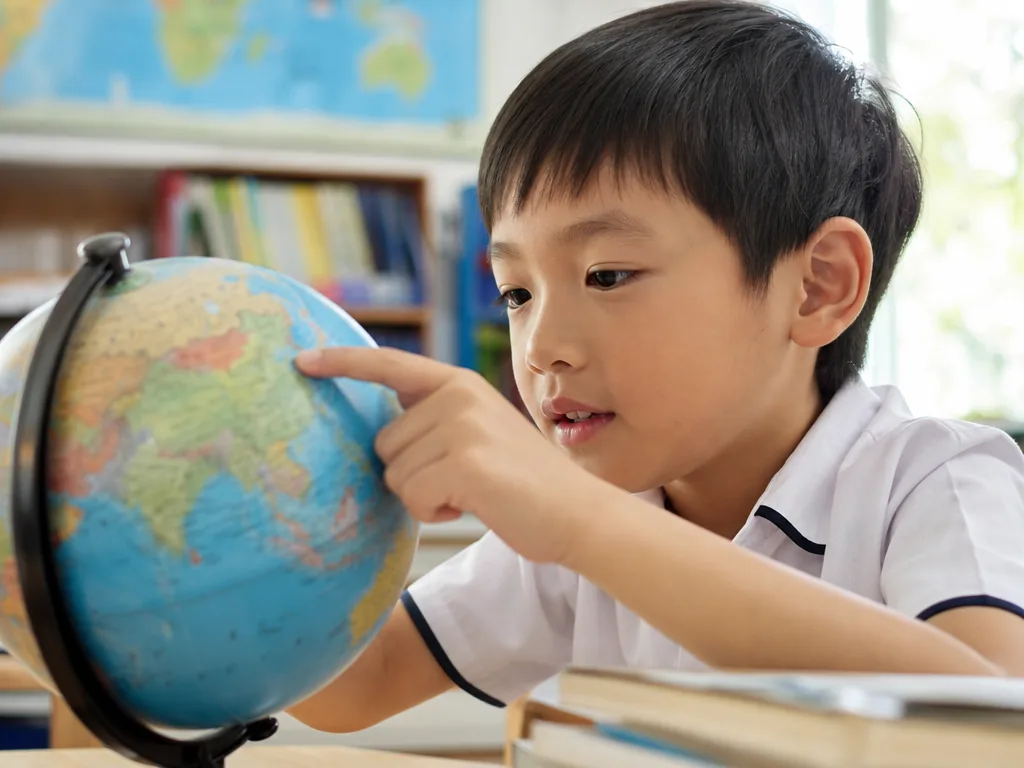
| P5–P6 (Upper Primary) | Science, Technology, Civic Education | “Environmental Protection,” “Smart City,” “Public Safety,” “Democracy” | Critical thinking, tech literacy, citizenship |
Each unit is supplemented with extended activities, such as mini research tasks, simple experiments, or student presentations.
Assessment Modes and Learning Approaches
| Assessment Type | Sample Activities | Focus Areas |
|---|---|---|
| Formative (Classroom-based) | Group discussion, role-play, presentations | Thinking process and participation |
| Project-based Inquiry | “Waste Issues in HK,” “My Hometown Cultural Study” | Data handling, observation, analysis |
| Unit Tests / Worksheets | Mixed formats: fill-in-the-blanks, short answers, experiment logs | Conceptual understanding and real-life applications |
| Outcome Showcase | Poster-making, mini-books, model building, video reports | Creativity and multimedia expression |
Flexible teaching strategies include outdoor visits, expert talks, mock trials, and integration with STEAM projects.
Common Learning Challenges and Smart Solutions
| Challenge | Suggested Solution |
|---|---|
| Abstract concepts or wide scope | Use relatable examples (e.g. recycling to explain sustainability) |
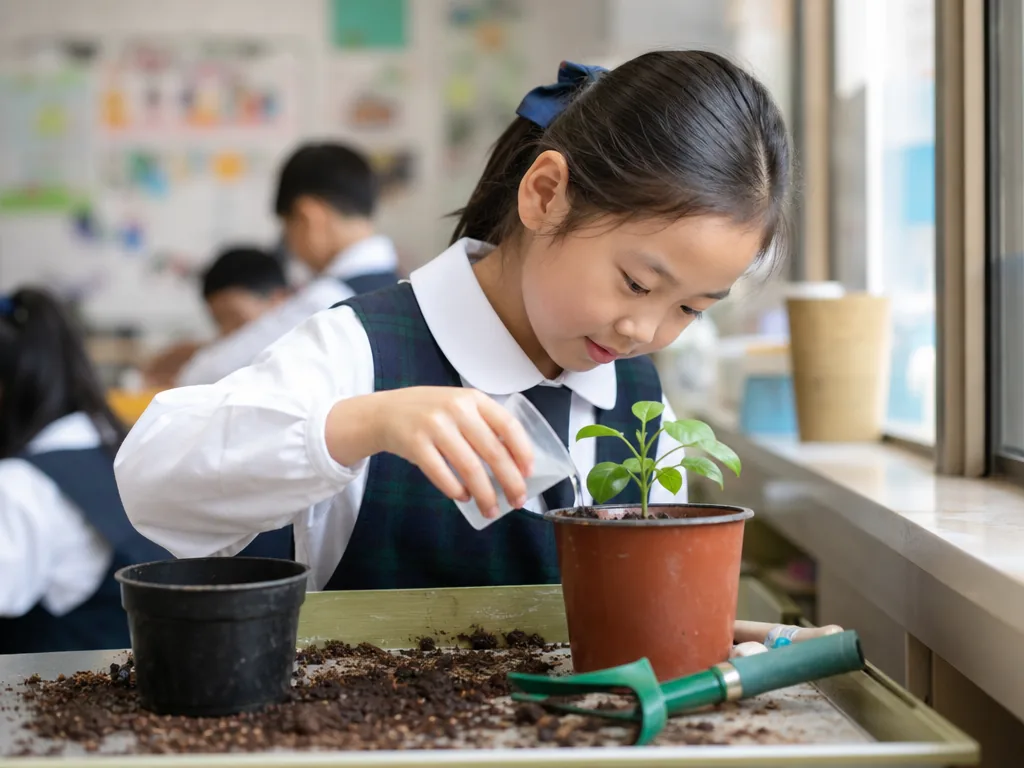
| Tendency to memorize over understand | Guide students through the inquiry process: Observe → Hypothesize → Experiment → Conclude |
| Lack of current affairs awareness | Weekly “News of the Week” tasks + parent-child news time |
| Difficulty gathering project materials | Teach basic online research skills and suggest kid-friendly databases |
Effective Learning and Home Support
Home Learning Tips
- Schedule a weekly family mini-presentation (child shares what they learned in GS).
- Encourage community observation and discussion (e.g. track typhoon paths together).
- Build reading habits with General Studies-related materials (e.g. the Knowledge Kids series).
Recommended GS Learning Platforms
| Platform Name | Content Type | Target Users |
|---|---|---|
| EDB Primary GS Resource Bank | Lesson plans, worksheets, videos | Teachers & Parents |
| HKEdCity General Studies Portal | Animations, interactive tools, concept maps | P3–P6 students |
| Hong Kong Science Museum (Online) | Experiment demos, guided tours | Classroom and family use |
Progression and Competency Building
Academic Bridging (to Secondary)
- Junior Secondary: Science, Geography, Citizenship and Social Development (CSD)
- Foundation for subjects like STEM, Civic Education, and Environmental Studies
Skill Development
- Information literacy, data analysis, cross-disciplinary thinking
- Civic awareness and a community participation mindset
Parent-School Collaboration Tips
- Attend your child’s project showcases or open classes.
- Collaborate with teachers on suitable research topics.
- Encourage questioning and observation in daily life (e.g. “Why does boiling water turn into steam?”).
- Support outdoor learning experiences (e.g. farm visits, recycling centre tours).
Frequently Asked Questions (FAQ)
Q: What are the main areas covered in General Studies?
GS in Hong Kong primary schools spans science, technology, humanities, health education, civic values, and environmental awareness, organized under themes such as personal growth, society and culture, and the relationship between people and their environment.
Q: How do I prepare for a GS test?
Focus on understanding rather than memorizing. Walk through the inquiry path — observe, hypothesize, experiment, conclude — review worksheets and experiment logs, and connect each topic to everyday examples at home.
Q: What are some tips for helping kids with General Studies projects?
Help them choose a focused, observable topic, guide simple research with kid-friendly resources, and let them present findings through posters, mini-books, or short videos.
Q: What are the educational goals of GS in Hong Kong primary schools?
GS aims to nurture students’ inquiry spirit, current-affairs awareness, and practical life skills, preparing well-rounded citizens with knowledge, values, and 21st-century competencies.
Further Resources & Next Steps
- Official Resources — the Education Bureau (EDB) Primary General Studies Resource Bank (www.edb.gov.hk) and the HKEdCity General Studies Portal.
- Further Reading — the Knowledge Kids reading series and the Hong Kong Science Museum’s online experiment demonstrations and guided tours.
- Parent Tips — start a weekly family mini-presentation and a “News of the Week” routine so children regularly share and discuss what they have learned.
Note: The information above is for reference only. Please consult professional education institutions for details.
This article was initially drafted and organised with AI. Editor / Professor Chan Kwok-wai; Managing Editor / Kong Yee-leung
Act Now: Find a Tutor / Register as a Tutor
For parents & students: looking for a home or online tutor for this subject? Click the button below to post a free tuition case (subject, level and preferred time) — TutorZone will match you with suitable tutors:
For tutors: do you teach this subject? Click the button below to register for free and receive more suitable cases — you pay only when a match is made:
