
 Chinese (Traditional)
 Chinese (Simplified)
 English



Clarinet Grading Standards Explained: A Complete Guide from Beginner to Diploma Level
TUTORZONE SUBJECT GUIDE · WIND INSTRUMENTS
The clarinet’s warm tone and wide expressive range make it a mainstay of orchestras, bands, and solo repertoire. This guide maps the full grading journey — from beginner to diploma level — covering technical requirements, assessment criteria, and how to prepare for exams.
Direct Answer:How are clarinet exams graded?
Clarinet grading covers beginner to diploma level, including technical requirements, assessment criteria, and exam preparation.
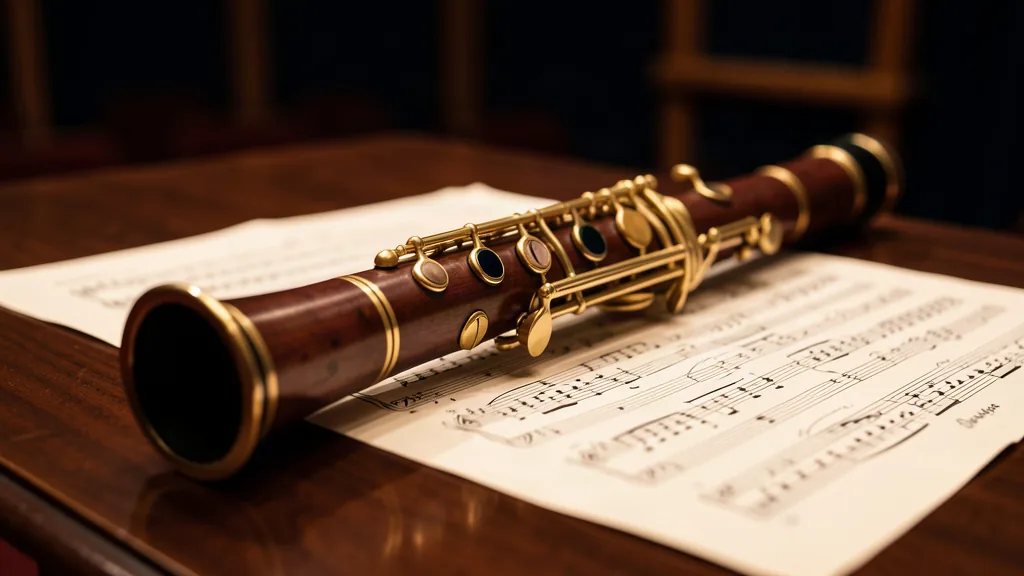
Overview of Clarinet Grading Systems
The clarinet is a woodwind instrument known for its warm tone, wide range, and expressive flexibility. It plays a vital role in orchestras, bands, and solo performances. As music education becomes increasingly structured, many clarinet students now follow formal grading systems to measure their progress and earn qualifications.
This guide offers a comprehensive overview of clarinet grading standards across different levels—beginner, intermediate, advanced, and diploma—and outlines the technical requirements, assessment criteria, and preparation tips for success in exams.
Common international and regional clarinet grading systems include:
- ABRSM (Associated Board of the Royal Schools of Music – UK)
- Trinity College London (TCL)
- Central Conservatory of Music Exams (China)
- Chinese Musicians Association Exams
These systems generally classify levels into:
- Beginner (Grades 1–3)
- Intermediate (Grades 4–6)
- Advanced (Grades 7–8)
- Diploma Level (for aspiring professionals)
Clarinet Grade Standards by Level
Beginner Level (Grades 1–3)
Ideal for: Students with less than one year of experience
Skills Required:
- Correct embouchure and posture
- Basic long tones and scales in easy keys (C, G, F major)
- Basic tonguing and legato
- Playing with a steady rhythm and acceptable intonation
Typical Repertoire:
- Simple folk tunes or adapted beginner-level pieces
- Practice books like A Tune a Day or beginner exam syllabi from ABRSM/TCL
Exam Components:
- 2–3 performance pieces
- Scales and arpeggios (1 or 2 octaves)
- Aural skills (e.g., clapping rhythms, pitch recognition)
- Sight-reading (simple rhythm and melody)
Intermediate Level (Grades 4–6)
Ideal for: Students with 2–4 years of experience
Skills Required:
- Comfortable playing in more keys (e.g., Bb, Eb major)
- Articulation control (staccato, legato, slur combinations)
- Increasingly accurate pitch and tone consistency
- More expressive phrasing and dynamics
Typical Repertoire:
- Selected movements from classical works
- Baermann studies or modern intermediate solos
- Trinity or ABRSM Grade 4–6 books
Exam Components:
- Two to three contrasting pieces
- Scales, arpeggios, and chromatic exercises in multiple keys
- Aural tests (intervals, cadences, rhythmic imitation)
- Intermediate-level sight-reading
Advanced Level (Grades 7–8)
Ideal for: Experienced students preparing for conservatory entry or performance
Skills Required:
- Mastery of all major and minor keys (2–3 octaves)
- Proficient use of all articulation and dynamic variations
- Fast and accurate fingerwork
- Strong musical interpretation and stylistic awareness
Typical Repertoire:
- Weber Clarinet Concertino, Mozart Clarinet Concerto (excerpts)
- Modern advanced solos or romantic concert works
- ABRSM or Trinity Grade 7–8 exam pieces
Exam Components:
- 2–3 advanced level pieces demonstrating technique and musicality
- Full-range scale requirements, including chromatic, broken chords, and dominant sevenths
- Complex sight-reading passages
- High-level aural tests (e.g., modulations, melodic dictation)
Diploma Level (Performance Certificate / Professional Diploma)
Ideal for: Students preparing for music university auditions or professional careers
Skills Required:
- Highly refined tone quality, control, and dynamic nuance
- Interpretive maturity in diverse styles (baroque to modern)
- Consistent musical expression across large works
- Strong stage presence and performance discipline
Exam Components:
- Recital program of 20–30 minutes featuring contrasting styles
- Technical interview or oral presentation about chosen repertoire
- Optional written component on theory or music history
- Some institutions require a prepared program with commentary

Scoring and Evaluation Criteria
While formats vary slightly, most grading systems use a 100-point scale with the following breakdown:
| Category | Description | Weight |
|---|---|---|
| Technical Accuracy | Intonation, rhythm, articulation, finger control | 40% |
| Musical Expression | Phrasing, dynamics, style, emotional depth | 40% |
| Performance Confidence | Posture, consistency, and overall stage presence | 20% |
Pass: 75+
Merit: 80–89
Distinction: 90+
How to Prepare for Clarinet Exams
- Daily Practice Routine: Include long tones, scale patterns, articulation drills, and pieces from the syllabus.
- Listen to Professional Recordings: Study different interpretations to develop your musicality.
- Mock Exams: Rehearse in front of peers, teachers, or family to simulate exam conditions.
- Hire a Skilled Teacher: A certified clarinet teacher helps identify mistakes and fine-tune your playing for higher scores.
Why Take Clarinet Grade Exams?
Clarinet grading systems provide:
- A structured learning path
- Clear skill milestones
- Qualifications useful for music scholarships, school applications, and teaching
- Motivation and confidence for continued musical growth
Whether you’re pursuing a hobby or aiming for a professional path, music exams help set and achieve clear, measurable goals.
Whether for a hobby or a professional path, music exams help you set — and reach — clear, measurable goals.
Frequently Asked Questions (FAQ)
Q: Which grading system should I choose for the clarinet?
The most common options are ABRSM, Trinity College London (TCL), the Central Conservatory of Music Exams, and the Chinese Musicians Association Exams. Their requirements overlap but differ in detail, so choose the board your teacher or school uses and check its current syllabus.
Q: Do I need to pass every grade in order?
Most systems allow students to enter at a level that matches their ability rather than starting at Grade 1. Whether a grade may be skipped depends on the board’s rules and the student’s readiness, so confirm with the institution before registering.
Q: How long does it take to progress between grades?
Progress depends on practice time and teaching quality. Beginners often spend roughly a year per grade, while the intermediate and advanced grades usually take longer.
Q: What is the difference between Grade 8 and the Diploma Level?
Grade 8 completes the standard graded syllabus. The Diploma Level (Performance Certificate or Professional Diploma) sits beyond it and expects a 20–30 minute recital program of contrasting styles, plus a technical interview or oral presentation and, at some institutions, an optional written component.
Further Resources & Next Steps
- Official Resources — Consult the current exam syllabuses of ABRSM, Trinity College London (TCL), the Central Conservatory of Music Exams, and the Chinese Musicians Association Exams.
- Further Reading — Explore the graded repertoire, including Weber’s Clarinet Concertino, Mozart’s Clarinet Concerto, Baermann studies, and beginner books such as A Tune a Day.
- Parent Tips — Encourage short, daily practice focused on long tones and scales, and play recordings of professional clarinettists to build listening skills.
Note: The information above is for reference only. Please consult professional education institutions for details.
This article was initially drafted and organised with AI. Editor / Professor Chan Kwok-wai; Managing Editor / Kong Yee-leung
Act Now: Find a Tutor / Register as a Tutor
For parents & students: looking for a home or online tutor for this subject? Click the button below to post a free tuition case (subject, level and preferred time) — TutorZone will match you with suitable tutors:
For tutors: do you teach this subject? Click the button below to register for free and receive more suitable cases — you pay only when a match is made: