
 中文(繁體)
 中文(简体)
 English



Glockenspiel: Complete Overview, History and Learning Guide
TUTORZONE SUBJECT GUIDE · PERCUSSION
The glockenspiel is a bright, bell-like metallophone whose crisp, ringing tone has lit up orchestras, chamber music and film scores for centuries. This guide traces its journey from medieval handbells to the modern concert instrument, profiles the composers who made it shine, and shows how beginners can start learning it.
Direct Answer:What is a glockenspiel?
The glockenspiel is a bright, bell-like metallophone with a crisp, ringing tone used in orchestras, chamber music, and film scores.
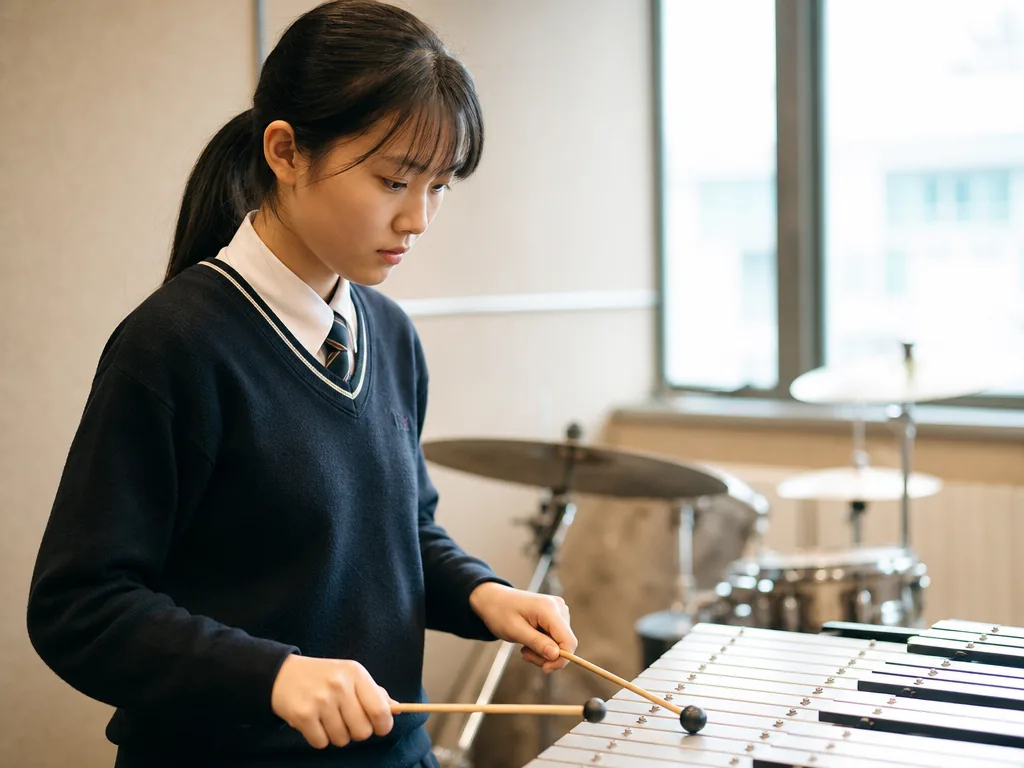
An Introduction to the Glockenspiel
The glockenspiel is a percussion instrument belonging to the metallophone family, similar to the xylophone but with bars made of metal that usually produce a crisp, bright sound. The glockenspiel plays an important role in much music, especially in orchestras, chamber music and some folk music. Its tone is crisp and ringing, and it is often used to emphasise melody or add brightness to the music.
The metallophone family
A barred percussion instrument like the xylophone, but with tuned metal bars instead of wood.
A crisp, bright tone
Its ringing, bell-like sound is often used to emphasise melody and add brightness.
A broad musical role
Heard in orchestras, chamber music and folk music across the centuries.
Origins of the Glockenspiel
The history of the glockenspiel can be traced back to medieval Europe, and its prototype is closely related to bell instruments. In its earliest forms, the glockenspiel’s metal bars may have come from church bells or other metal sounders. The predecessor of the glockenspiel can be traced back to the medieval handbells, which were first used for sound effects in church ceremonies. These early glockenspiel-like instruments were common in religious music, used to enhance the ceremonial and solemn feel of the music.
- The 16th century: The earliest form of the glockenspiel had its initial development in 16th-century European music. The glockenspiel of that time was still simple, with a small range, mainly used in folk music and early orchestral music.
- The 18th century: The glockenspiel began to show more variation and its range was expanded. In Baroque and Classical music, the glockenspiel began to be gradually used in the orchestra, especially to emphasise the brightness and rhythm of the music.
- The 19th century: The design of the glockenspiel was further improved and its range expanded, especially in the Romantic period, when the glockenspiel became an indispensable part of orchestral music.
Development of the Glockenspiel
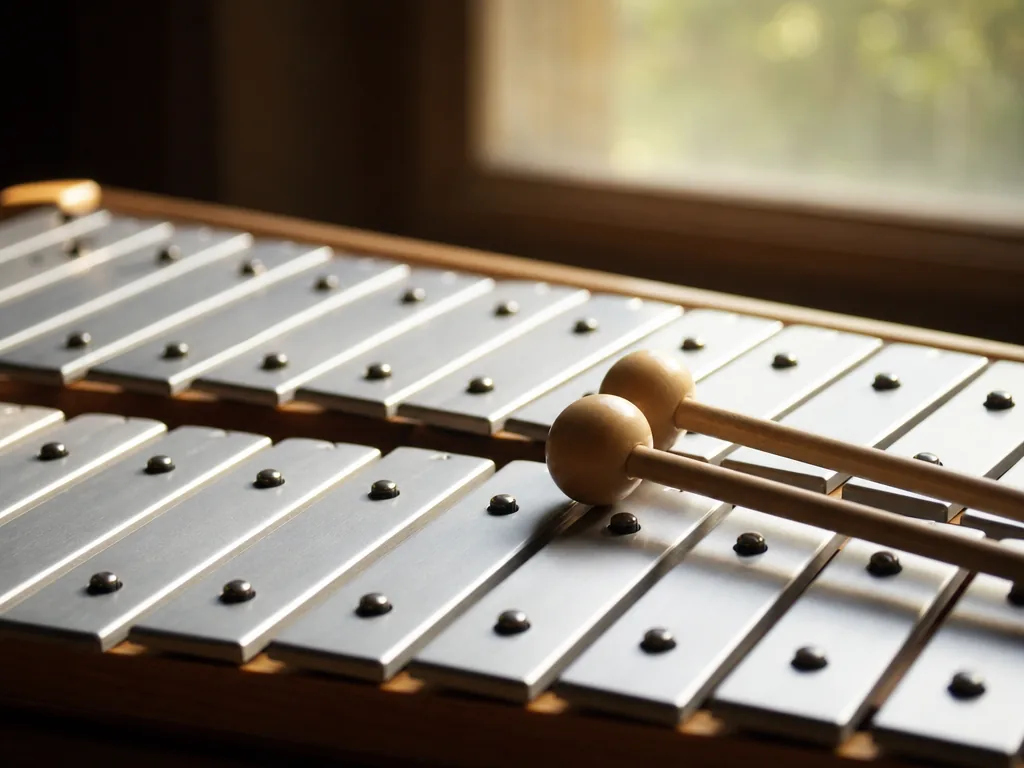
The structure of the glockenspiel has become more refined through continuous development. The traditional glockenspiel consists of metal bars and a wooden frame, and the length of each bar determines its pitch. Modern glockenspiels usually have a longer range and sometimes include tuning devices to ensure accurate pitch.
- Range expansion: With the increase in musical demands, the glockenspiel’s range has been expanded, growing from a few octaves to about five octaves.
- Improvement of sound quality: The metal materials and precise craftsmanship used in modern glockenspiels make their sound purer and clearer. They are designed to cope with various musical styles, from classical to modern popular music.
Notable Glockenspiel Players and Their Masterpieces
The glockenspiel is a relatively special instrument; although it has few dedicated players, it plays a key role in the works of many celebrated composers and musicians. Below are some outstanding works and performers related to the glockenspiel:
Richard Strauss
Masterpiece: Ein Heldenleben (A Hero’s Life). Richard Strauss was a German composer of the 19th and early 20th centuries; in Ein Heldenleben he skilfully used the glockenspiel to express certain specific moods, enhancing the drama of the work. In this work the glockenspiel is not only a rhythmic support but also strengthens the emotional expression of the music through its bright tone.
Bernhard Heiden
Masterpiece: Concerto for Glockenspiel and Orchestra. Heiden was a German-American composer who placed the glockenspiel in a solo role in this work, demonstrating its tone and expressiveness. This concerto shows the glockenspiel’s range and sound quality, giving this traditional instrument a renewed important position in modern music.
Thomas Robinson
Masterpiece: Several modern musical works. Thomas Robinson is one of the representatives of contemporary glockenspiel performance, with a very high standing in modern music. He has played the glockenspiel for several modern composers and recorded many modern works that fully exploit the glockenspiel’s special tone and technique.
Malcolm Arnold
Masterpiece: Glockenspiel Concerto. Malcolm Arnold was a 20th-century British composer whose Glockenspiel Concerto provided more possibilities for the glockenspiel’s solo performance. The work is full of technical challenges and demonstrates the glockenspiel’s unique charm as a solo instrument.
The Musical Value of the Glockenspiel
The musical value of the glockenspiel is reflected not only in its tone but also in its role within the musical structure. As a percussion instrument, the glockenspiel can provide a bright, crisp sound that makes the melody of the music more striking.
- Rhythm and expressiveness: The glockenspiel often plays the role of reinforcing rhythm in many pieces, adding brilliance and dynamism to the music. In the orchestra the glockenspiel can enhance the brightness of the music, especially in fast, joyful passages.
- Emotional expression: The glockenspiel has a distinctive tone and can express various emotions in music. Its crisp, bright sound can express joy and vitality, while its use in the lower register can add a sense of mystery or majesty.
- Applications in modern music: Modern composers often use the glockenspiel to explore novel sounds, incorporating it into various styles of modern music, from film scores to stage plays, and its range of applications is growing ever wider.
Its crisp, bright sound can express joy and vitality, while its use in the lower register can add a sense of mystery or majesty.
Conclusion
The glockenspiel is a percussion instrument with a distinctive tone and expressiveness, playing a crucial role in both classical and modern music. Although it has relatively few players and representative works, many celebrated composers and performers have used the glockenspiel in their works to enhance the layers and emotion of the music. The glockenspiel’s clear, bright tone makes it an indispensable element of musical works, and as musical styles develop, the glockenspiel continues to play an important role in various musical forms.
Frequently Asked Questions (FAQ)
Q: What is the difference between a glockenspiel and a xylophone?
Both are barred percussion instruments, but the glockenspiel has metal bars that produce a crisp, bright and ringing tone, while the xylophone has wooden bars that give a drier, softer sound. The glockenspiel also typically has a smaller range.
Q: At what age can a child start learning the glockenspiel?
Because its bars are small and its sound is bright but gentle, the glockenspiel is a friendly first percussion instrument for young children. Many begin around ages four to six using a small one- or two-octave model before moving on to a full-size instrument.
Q: How is the glockenspiel played — with mallets or with the hands?
It is normally struck with mallets, usually made of hard plastic, brass or rubber, and the choice of mallet affects the brightness of the tone. The bars are laid out like a piano keyboard, so the notes are easy to find.
Q: Is the glockenspiel only used in orchestras?
No. While it is a familiar orchestral and band instrument, it also appears in chamber music, film scores, stage productions, marching bands and some folk music, and its bright tone is often used to highlight melody.
Further Resources & Next Steps
- Official Resources——The Associated Board of the Royal Schools of Music (ABRSM) Percussion syllabus and the Hong Kong Schools Music and Speech Association (HKSMSA) competition lists both feature glockenspiel and tuned-percussion repertoire.
- Further Reading——Listen to Richard Strauss’s Ein Heldenleben and Malcolm Arnold’s Glockenspiel Concerto to hear the instrument’s range, from bright, sparkling passages to expressive solo writing.
- Parent Tips——Start with a lightweight practice glockenspiel and let children explore the bars freely; short, regular practice sessions build the mallet control that later repertoire depends on.
Note: The information above is for reference only. Please consult professional education institutions for details.
This article was initially drafted and organised with AI. Editor / Professor Chan Kwok-wai; Managing Editor / Kong Yee-leung
Act Now: Find a Tutor / Register as a Tutor
For parents & students: looking for a home or online tutor for this subject? Click the button below to post a free tuition case (subject, level and preferred time) — TutorZone will match you with suitable tutors:
For tutors: do you teach this subject? Click the button below to register for free and receive more suitable cases — you pay only when a match is made: