
 中文(繁體)
 中文(简体)
 English



IB History SL – Course Guide: Syllabus, Assessment and Study Tips
TUTORZONE SUBJECT GUIDE · IB
IB History SL is the entry-level history course in the IB Diploma — lighter in workload than HL, yet it still builds the source-analysis, multi-perspective thinking and argumentative-writing skills universities value. This guide walks through the syllabus, assessment, study strategies and a term-by-term study plan.
Direct Answer:What is IB History SL?
It is the entry-level IB history course, lighter than HL, building source-analysis, multi-perspective thinking, and argumentative-writing skills va。
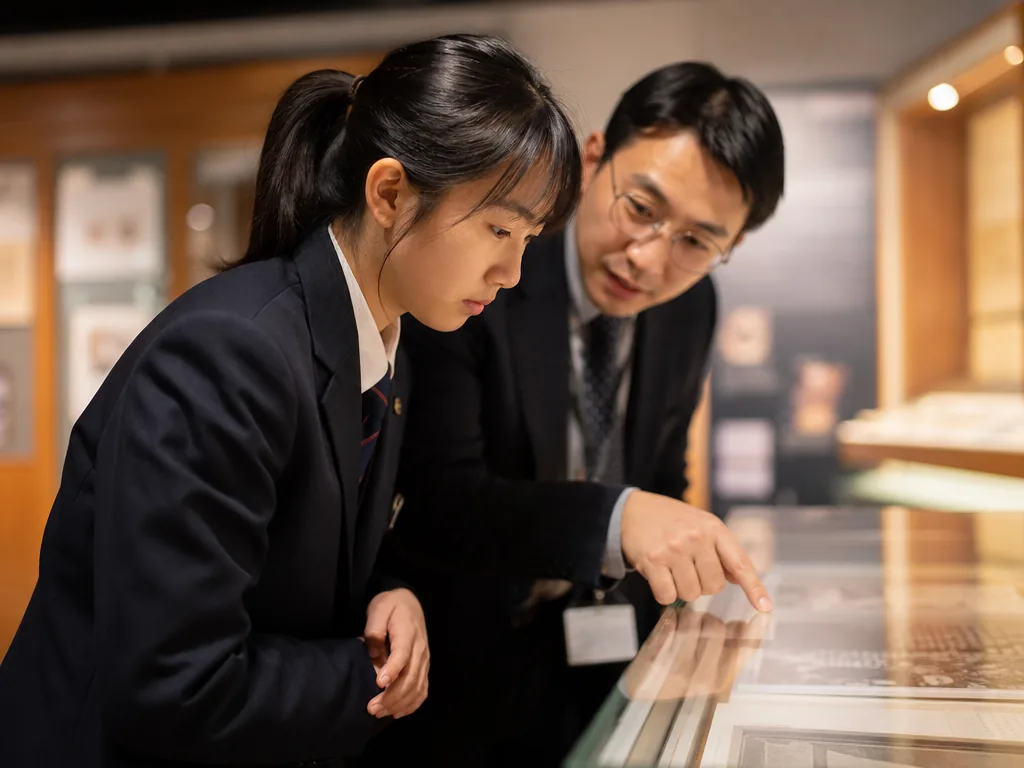
Course Positioning and Features
IB History SL (Standard Level) is the entry-level history course in the IB, focused on developing:
- Historical thinking across time and space
- Ability to analyse historical sources
- Understanding from multiple perspectives
- Argumentative writing skills
Advantages of the SL Course
- Workload is about 35% less than HL
- Only 2 world history topics need to be studied (3 at HL)
- No HL regional in-depth study requirement
- Better suited to students who are not history specialists
Course Structure (2025 Syllabus)
| Study module | Focus | Example topics |
|---|---|---|
| World history topics | 20th-century global issues | The Cold War, decolonisation movements |
| Regional study | In-depth study of a single region | Asia: the Meiji Restoration in Japan |
| Historical topic | Analysis of a phenomenon across time and space | The rise of totalitarianism and comparisons |
Assessment and Marking
External assessment (75%):
| Paper | Duration | Question type | Exam technique |
|---|---|---|---|
| Paper 1 | 1 hour | Source analysis (choose 1 of 2) | Master the “OPCVL” analysis method |
| Paper 2 | 1.5 hours | Essay questions (choose 2 of 6) | Prepare 4–5 versatile case studies |
Internal assessment (25%):
- Historical investigation (1,500–2,000 words):
- Research a self-chosen historical question
- Must cite a range of sources
Key Differences Between SL and HL
| Dimension | SL | HL |
|---|---|---|
| Research depth | Basic analysis of events | Must explore historiographical debates |
| Writing volume | Shorter essays (500–800 words per question) | Longer essays (800–1,000 words) |
| Regional study | 1 region | 2 regions compared |
| Teaching hours | 150 hours | 240 hours |
Effective Study Strategies
Source Analysis Techniques
- OPCVL framework——Origin, Purpose, Content, Value, Limitation.
Essay Writing Structure
- Advanced PEEL——Point, Evidence, Explanation, Link, Historiography.
Choosing an Investigation Topic
- Recommended directions:
- “The global impact of the fall of the Berlin Wall”
- “The international factors behind Taiwan’s economic miracle”
Essential Resources and Tools
| Type | Recommended resource | Use case |
|---|---|---|
| Source collection | Global History Sourcebook | Class discussion and report writing |
| Historical theory | Historical Methodology | Improving depth of analysis |
| Digital tool | Timeline JS | Making interactive timelines |
| Visual resources | BBC history documentary series | Supporting contextual understanding |
Common Challenges and Solutions
Difficulty Remembering Dates
The timeline memory method:
- Draw a themed timeline
- Mark key turning points
- Build causal chains
Unclear Historical Perspectives
School-of-thought labelling practice:
- Marxist historiography
- The Annales school
- Postcolonial historiography
Insufficient Writing Time
The 45-minute speed-writing method:
- 10 minutes——outline (including keywords)
- 30 minutes——write
- 5 minutes——check

University and Career Applications
Application Advantages
- Boosts applications to humanities and social science courses
- Especially helpful for:
- International relations
- Cultural studies
- Politics
Career Development
- Museum researcher
- Policy analyst
- Cultural heritage management
Study Progress Plan
| Stage | Core task | Checkpoint |
|---|---|---|
| Term 1 | Master basic historical methods | Complete 3 OPCVL analyses |
| Term 2 | Develop essay-writing skills | Practise 1 timed essay each week |
| Term 3 | Strengthen source criticism | Be able to identify 2+ historiographical schools |
| Final sprint | Themed revision | Build a “causal relationship map library” |
Key Traits for High Scores
Skills required for a 7:
Compare historiographical viewpoints
Able to compare different historiographical viewpoints.
Show a cross-regional perspective
Shows a cross-regional perspective.
Integrate primary sources
Integrates primary sources effectively.
To avoid:
- Excessive narration of facts
- Ignoring the limitations of sources
- Conclusions lacking historiographical basis
Frequently Asked Questions (FAQ)
Q: Is IB History SL much easier than HL?
It is significantly lighter: the workload is about 35% less, you study only 2 world history topics (3 at HL), there is no HL regional in-depth study, and teaching time is 150 hours versus 240 at HL. The assessment structure is similar, so it is “lighter” rather than “easy”.
Q: How is the final grade calculated?
External assessment makes up 75% — Paper 1 (1 hour, source analysis, choose 1 of 2) and Paper 2 (1.5 hours, essay questions, choose 2 of 6). The internal assessment contributes 25% — a historical investigation of 1,500–2,000 words on a self-chosen question, citing a range of sources.
Q: What is the best way to approach Paper 1 source analysis?
Master the OPCVL framework — Origin, Purpose, Content, Value, Limitation — and practise until you can apply it quickly. The study plan recommends completing at least 3 OPCVL analyses in Term 1.
Q: What separates a 6 from a 7?
Top-scoring students compare different historiographical viewpoints, show a cross-regional perspective and integrate primary sources effectively — while avoiding excessive narration of facts, ignoring source limitations, and conclusions that lack historiographical basis.
Further Resources & Next Steps
- Official Resources——the International Baccalaureate official website (www.ibo.org) and the IB official marked-exemplar library.
- Further Reading——Academia Sinica Institute of Modern History Archives and Encyclopaedia Britannica history entries.
- Parent Tips——encourage a themed timeline at home and a weekly timed essay; consider Model United Nations history committees to build a cross-regional perspective.
- Next Steps——subscribe to a history blog, take part in Model United Nations history committees, and make themed memory cards.
Note: The information above is for reference only. For the latest details, please refer to the official International Baccalaureate website (www.ibo.org) and consult professional education institutions.
This article was initially drafted and organised with AI. Editor / Professor Chan Kwok-wai; Managing Editor / Kong Yee-leung
Act Now: Find a Tutor / Register as a Tutor
For parents & students: looking for a home or online tutor for this subject? Click the button below to post a free tuition case (subject, level and preferred time) — TutorZone will match you with suitable tutors:
For tutors: do you teach this subject? Click the button below to register for free and receive more suitable cases — you pay only when a match is made: