 中文(繁體)
 中文(简体)
 English



IB Visual Arts SL – Course Guide: Syllabus, Assessment and Study Tips
TUTORZONE SUBJECT GUIDE · IB
IB Visual Arts SL (Standard Level) is the Diploma Programme’s most accessible route into serious art-making — a course that builds a personal artistic voice and a professional portfolio. This guide walks through the syllabus, assessment and study strategies, and how the subject can carry you into university and beyond.
Direct Answer:What is IB Visual Arts SL?
IB Visual Arts SL is the Diploma Programme’s accessible route into art-making, building a personal artistic voice and professional portfolio.
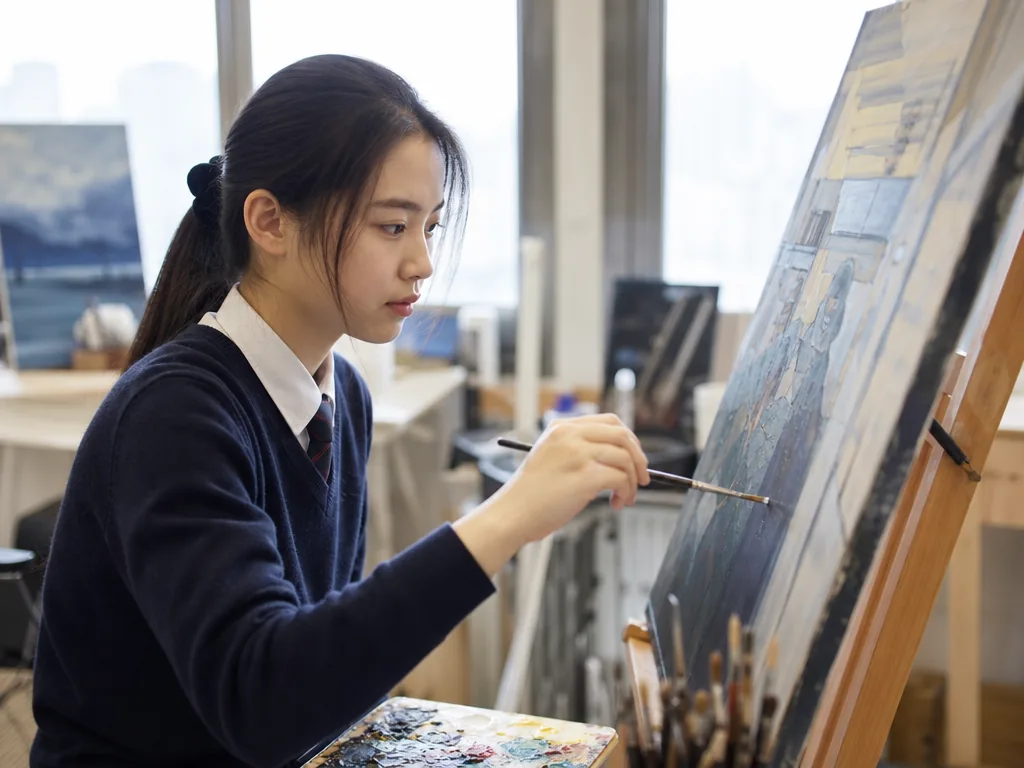
What Is IB Visual Arts SL?
IB Visual Arts SL (Standard Level) is a course in the IB Diploma Programme focused on developing artistic creation, visual analysis and cultural understanding. Compared with HL (Higher Level), SL has a lighter workload, but still requires students to develop a personal artistic style and complete a professional portfolio.
Core Aims of Visual Arts SL
- Develop the ability to create in a range of artistic media (painting, sculpture, photography, digital art and more)
- Develop critical thinking in art and analyse works from different cultural backgrounds
- Build the habit of systematic documentation and reflection on the creative process
- Prepare a professional-quality portfolio as a foundation for university applications
What Kind of Student Does It Suit?
- Students interested in fine art, design, architecture, fashion and related fields
- Students who enjoy visual expression and are willing to try different artistic media
- Students planning to apply to art schools or design-related courses
- Students who, even if not art-focused, want to develop their creativity
Visual Arts SL Course Structure
IB Visual Arts SL has three core components: the exhibition, the process portfolio and the comparative study.
The Exhibition
- Complete 4–7 exhibition pieces
- Works should demonstrate:
- Technical ability (command of media)
- Conceptual depth (thematic coherence)
- Development of a personal style
The Process Portfolio
- A record of the creative process of 9–18 pages
- Content includes:
- Sources of inspiration and research
- Sketches and experimentation
- Technical testing and exploration of media
- Reflection and records of revision
The Comparative Study
- Analyse the works of 3 artists or art movements
- Must include:
- Formal analysis (composition, colour, technique, etc.)
- Exploration of cultural context
- The relationship between personal work and the referenced artists
Assessment and Marking Criteria
The Visual Arts SL grade is made up of the following components:
| Assessment component | Content | Weighting |
|---|---|---|
| Exhibition | 4–7 completed works + exhibition text (each work with a 100-word statement) | 40% |
| Process portfolio | 9–18 pages of process documentation (showing technical experimentation and conceptual development) | 40% |
| Comparative study | 10–15 page visual analysis report (with images and text, including comparison with personal work) | 20% |
Key to a High-Scoring Exhibition
- Thematic coherence — there should be clear conceptual links between works
- Media diversity — demonstrate command of at least 2–3 different media
- Professional presentation — pay attention to framing and exhibition layout
Process Portfolio Tips
- Record regularly (weekly updates recommended)
- Include “failed experiments” to show the learning process
- Use professional terminology to describe creative decisions
Comparative Study Topic Advice
- Choose contrasting artists for comparison (such as traditional ink painting vs contemporary digital art)
- Example themes:
- “The expression of feminism in the works of Frida Kahlo and Yayoi Kusama”
- “Cultural resistance in street art: Banksy and Jean-Michel Basquiat”
Differences Between Visual Arts SL and HL
| Item | Visual Arts SL | Visual Arts HL |
|---|---|---|
| Number of works | 4–7 | 8–11 |
| Process portfolio pages | 9–18 pages | 13–25 pages |
| Teaching hours | 150 hours | 240 hours |
| Research depth | Basic art analysis | Must include deeper theoretical discussion |
High-Scoring Creation Strategies
Develop a Personal Theme
- Start from your own cultural background or social issues (such as migration experience or environmental protection)
- Build a “theme mind map” to extend creative possibilities
Media Experimentation Techniques
- Mix traditional and contemporary media (such as ink painting + digital collage)
- Record material testing processes (photography + written notes)
Time Management Advice
- Year 1 — focus on building skills and exploring themes
- Year 2, first term — complete the comparative study
- Year 2, second term — refine exhibition works and the process portfolio
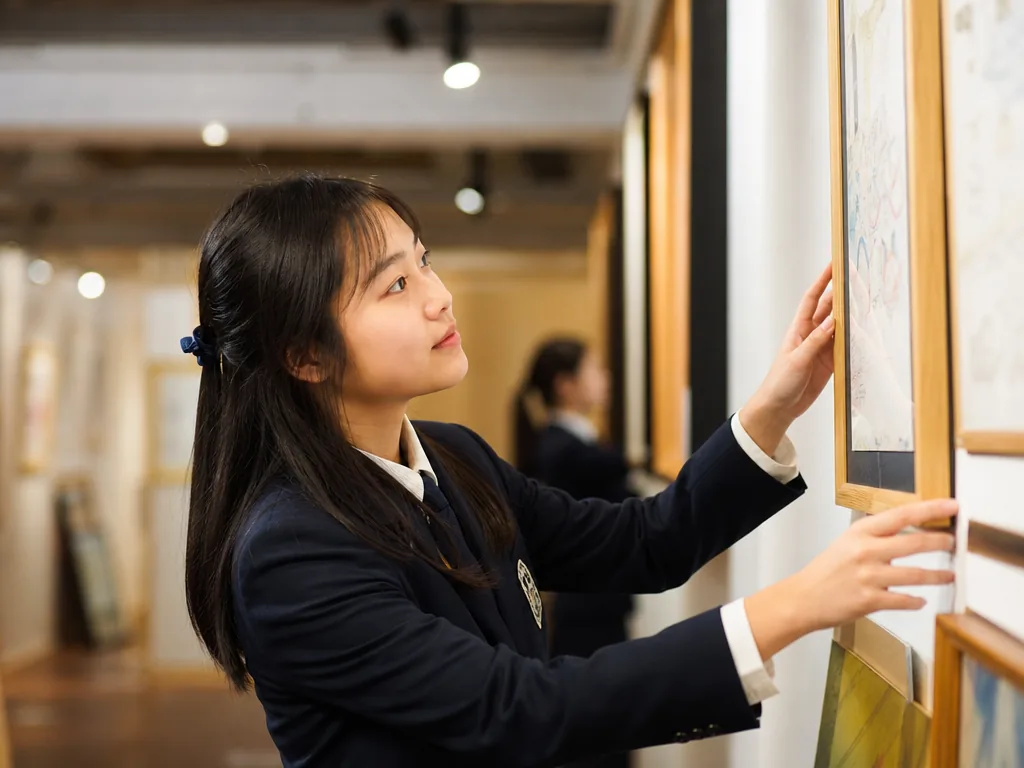
Future Applications of Visual Arts SL
University Application Advantages
- The portfolio can be used directly for applications to art and design-related courses
- Demonstrates creativity and critical thinking, benefiting subjects such as architecture and film
Career Directions
- Fine art — painter, sculptor, photographer
- Design industry — graphic designer, animator, art director
- Education — art teacher, gallery education officer
Conclusion: Why Choose Visual Arts SL?
IB Visual Arts SL provides a systematic framework for artistic training, helping students to:
- Develop a distinctive artistic vision
- Build a professional portfolio
- Nurture creativity and visual expression that will last a lifetime
Action plan:
- Decide on a creative theme direction as early as possible
- Get into the habit of updating the process portfolio weekly
- Visit museums and galleries to accumulate visual experience
- Discuss the development of your work with your teacher regularly
Frequently Asked Questions (FAQ)
Q: How many artworks do I need to complete for the Visual Arts SL exhibition?
You need to complete 4–7 exhibition pieces, each accompanied by a written statement of about 100 words. Strong exhibitions also show thematic coherence, command of at least 2–3 media, and careful framing and layout.
Q: What is the difference between the process portfolio and the exhibition?
The process portfolio is a 9–18 page record of your creative journey — inspiration, sketches, technical experiments and reflection — while the exhibition is the final curated set of 4–7 finished works with statements. The portfolio documents the “how”; the exhibition presents the “what”.
Q: Do I need to be a “natural artist” to do well in Visual Arts SL?
No. The course rewards documentation, experimentation and reflection as much as raw talent. Students who record regularly and honestly include “failed experiments” often score higher than those who rely on ability alone.
Q: Can Visual Arts SL help with university applications even for non-art courses?
Yes. The portfolio can be used directly for art and design-related applications, and it demonstrates creativity and critical thinking that also benefit subjects such as architecture and film.
Further Resources & Next Steps
- Official Resources——the International Baccalaureate Visual Arts subject guide and specifications at www.ibo.org.
- Further Reading——exhibition catalogues and artist monographs on classic comparative-study pairings, such as Frida Kahlo and Yayoi Kusama, or Banksy and Jean-Michel Basquiat.
- Parent Tips——encourage a weekly portfolio routine and regular gallery or museum visits to build visual literacy and accumulate inspiration.
Note: The information above is for reference only. For details, please refer to the official International Baccalaureate website (www.ibo.org). Please consult professional education institutions for details.
This article was initially drafted and organised with AI. Editor / Professor Chan Kwok-wai; Managing Editor / Kong Yee-leung
Act Now: Find a Tutor / Register as a Tutor
For parents & students: looking for a home or online tutor for this subject? Click the button below to post a free tuition case (subject, level and preferred time) — TutorZone will match you with suitable tutors:
For tutors: do you teach this subject? Click the button below to register for free and receive more suitable cases — you pay only when a match is made: