
 Chinese (Traditional)
 Chinese (Simplified)
 English



What is IGCSE Environmental Management?
TUTORZONE SUBJECT GUIDE · IGCSE
IGCSE Environmental Management is Cambridge’s interdisciplinary subject that shows students how people and the natural world interact — covering ecosystems, energy, hazards, and sustainable development, and building the critical-thinking skills today’s global citizens need.
Direct Answer:What is IGCSE Environmental Management?
IGCSE Environmental Management is Cambridge’s interdisciplinary subject covering ecosystems, energy, hazards, and sustainable development, building。
What Is IGCSE Environmental Management?
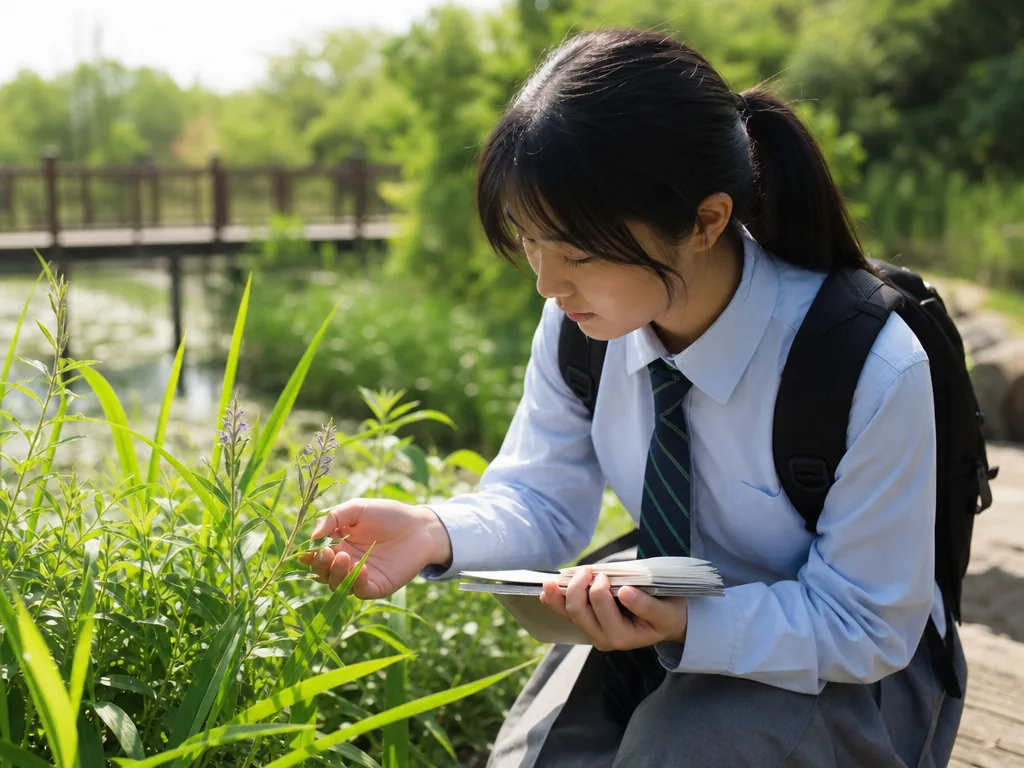
IGCSE Environmental Management is a unique interdisciplinary subject offered by Cambridge International Examinations (CIE), designed to help students understand the complex interactions between people and the natural world. The course provides a solid foundation in environmental science, geography, and global citizenship, making it highly relevant in today’s world facing climate change, resource depletion, and pollution.
This subject is tailored for students aged 14–16 and explores how humans use natural resources, the impact of development on ecosystems, and the importance of sustainability. It encourages learners to think critically about environmental issues and equips them with practical problem-solving skills that go beyond the classroom.
What Do Students Learn in IGCSE Environmental Management?
The IGCSE Environmental Management syllabus is divided into key thematic areas that reflect real-world environmental concerns:
1. Ecosystems and Natural Resources
Students study different ecosystems (forests, oceans, deserts, etc.), food chains, biodiversity, and how humans use and affect natural resources like water, air, soil, and minerals.
2. Human Impact on the Environment
Topics include deforestation, pollution, waste management, and habitat destruction. Students learn to identify the root causes of these issues and evaluate strategies to minimize environmental damage.
3. Energy Resources
Learners explore the use of renewable and non-renewable energy sources, their environmental impact, and how societies can transition to more sustainable energy systems.
4. Natural Hazards and Disaster Management
The course includes natural events like earthquakes, volcanoes, droughts, and floods. Students examine how these disasters affect communities and how governments and NGOs respond to such events.
5. Population and Urban Development
Students learn how population growth and urbanization affect land use, transportation, and infrastructure, and consider sustainable solutions for growing cities.
6. Sustainable Development and Global Cooperation
This section focuses on international efforts (like the Paris Agreement), government policies, environmental laws, and how individuals and communities can contribute to sustainability.
Why Choose IGCSE Environmental Management?
- Real-World Relevance——The subject connects academic learning to global issues like climate change, pollution, and conservation — topics that affect all of us.
- Critical Thinking and Problem Solving——Students develop analytical and evaluative skills through case studies, data interpretation, and scenario-based questions.
- Interdisciplinary Foundation——It combines science, geography, and social studies, which helps students transition into subjects like A-Level Environmental Science, IB Environmental Systems & Societies, or Geography.
- Career and Academic Value——This subject is particularly useful for students considering careers in environmental science, urban planning, sustainability, public policy, and international development.
- Builds Responsible Global Citizens——Learners gain an appreciation of the need for balance between development and conservation, fostering environmental responsibility from a young age.
How Is IGCSE Environmental Management Assessed?
The assessment includes two written exam papers:
- Paper 1 – Core Knowledge and Understanding——Tests basic environmental science concepts and understanding of ecological principles.
- Paper 2 – Application and Analysis——Involves data interpretation, case study evaluation, and real-life environmental scenarios requiring strategic solutions.
There is no coursework component, but students must demonstrate strong written communication and data interpretation skills.

Who Is This Subject Suitable For?
IGCSE Environmental Management is ideal for:
- Science-and-geography learners——Students who enjoy a mix of science and geography.
- Globally minded students——Learners interested in global issues like climate change and sustainability.
- Future specialists——Those planning to pursue further studies in environmental science, public policy, or international relations.
- Applied learners——Students who prefer applied, real-world learning over pure theory.
Frequently Asked Questions (FAQ)
Q: Is IGCSE Environmental Management a science or a geography subject?
It is genuinely interdisciplinary, blending environmental science, geography, and social studies. You will study ecosystems and energy resources alongside population, policy, and global cooperation.
Q: What age group is this subject designed for?
It is tailored for students aged 14–16, typically those in the IGCSE years, and assumes no prior specialist knowledge.
Q: Is there any coursework or practical assessment?
No — the subject is assessed entirely through two written papers. Practical, real-world skills are still central, delivered through data interpretation, case studies, and scenario-based questions.
Q: What can I study after IGCSE Environmental Management?
It prepares you well for A-Level Environmental Science, IB Environmental Systems & Societies (ESS), or Geography, and supports careers in environmental science, urban planning, sustainability, public policy, and international development.
Further Resources & Next Steps
- Official Resources——The Cambridge International Examinations (CIE) website publishes the official IGCSE Environmental Management syllabus, specimen papers, and mark schemes.
- Further Reading——Curriculum guides for A-Level Environmental Science and IB Environmental Systems & Societies (ESS) show how the subject continues at higher levels.
- Parent Tips——Discuss everyday environmental news at home — energy use, recycling, and extreme weather — to connect classroom concepts with daily life.
Note: The information above is for reference only. Please consult professional education institutions for details.
This article was initially drafted and organised with AI. Editor / Professor Chan Kwok-wai; Managing Editor / Kong Yee-leung
Act Now: Find a Tutor / Register as a Tutor
For parents & students: looking for a home or online tutor for this subject? Click the button below to post a free tuition case (subject, level and preferred time) — TutorZone will match you with suitable tutors:
For tutors: do you teach this subject? Click the button below to register for free and receive more suitable cases — you pay only when a match is made: